THE ADVENTURE COLLECTIVE® · Independent discovery and booking for outdoor travel

Spend a day in eye‑level hides under near‑continuous summer light to photograph wolverines in the Finnish taiga. Reliable sightings and purpose‑built windows give photographers intimate, ethical opportunities from long, quiet watches.
Spend a day in eye‑level hides under near‑continuous summer light to photograph wolverines in the Finnish taiga. Reliable sightings and purpose‑built windows give photographers intimate, ethical opportunities from long, quiet watches.
You arrive as the taiga refuses to sleep: the mid‑summer sun hangs low but never disappears, washing the forest in soft, relentless light. Hides sit along game trails and feeding stations, low to the ground with eye‑level windows—numbers 11, 15 and 17–25—designed so the wolverines move through frame as if the world were arranged for a portrait.
Verified experiences and guided adventures in the surrounding area.
Operated by Bear Centre · Rovaniemi, Lapland
You arrive as the taiga refuses to sleep: the mid‑summer sun hangs low but never disappears, washing the forest in soft, relentless light. Hides sit along game trails and feeding stations, low to the ground with eye‑level windows—numbers 11, 15 and 17–25—designed so the wolverines move through frame as if the world were arranged for a portrait.
The region’s landscape is shaped by glacial scouring and peatland, a patchwork of lakes, pines and wind‑gnarled birches that funnels wildlife into predictable corridors. Wolverines here forage intensively in summer to feed cubs; historically this is a place where traditional Sámi livelihoods met a harsh northern ecology, and today careful wildlife management balances tourism and species protection.
On a full‑day stint in the hides you’ll sit in long watches, cameras at the ready, while guides keep disturbance low and baiting strictly regulated. Sightings are reliable: operators report 70–95% chances depending on timing, and evenings can produce multiple animals at once. September–October adds autumn color and higher activity for photographers wanting richer tones.
Practical side: expect long periods of stillness broken by sudden action. Bring a tripod, long lens (300–600mm), neutral colors and scent‑free habits. Hydrate, dress in breathable layers against mosquitoes, and plan for very long daylight—night photography won’t be necessary but patience and quiet are essential. These hides deliver intimate, ethical encounters when approached with respect for the animals and the landscape.
easy.
10–16 hours.
Minimal fitness required; expect long periods of sitting with occasional short walks to/from hides.
Operators report roughly 70–95% probability in summer, with many sessions producing at least one sighting; exact odds depend on month and animal movements.
Hides are basic and designed for concealment; they offer shelter from wind but not luxury—bring layered clothing and cushions for comfort.
Yes for calm, supervised children who can remain quiet for long periods; check operator age limits and safety rules before booking.
Guides typically assist with positioning and wildlife etiquette; many also offer basic photography tips, but advanced technical coaching may be limited.
The taiga has long supported Sámi and other northern livelihoods; modern hides are part of a careful effort to observe wildlife without direct disturbance.
Tours operate under strict observation rules and regulated baiting to minimize impact; photographers are asked to follow leave‑no‑trace and scent‑free protocols.
Bear Centre operates guided outdoor trips and adventures with an emphasis on safety, stewardship, and memorable experiences.
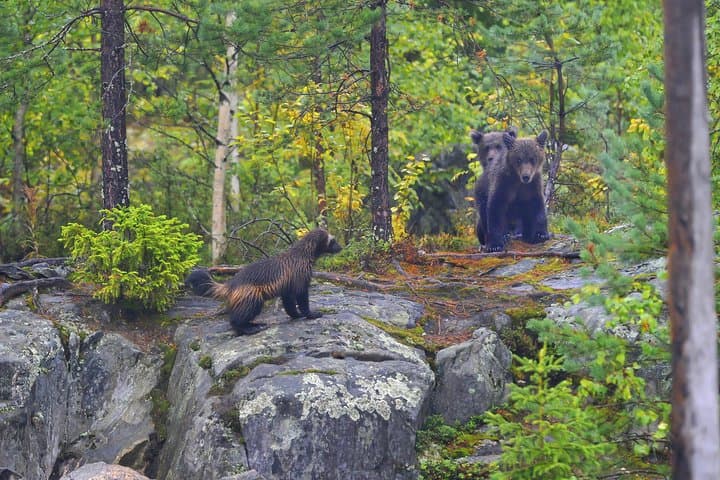


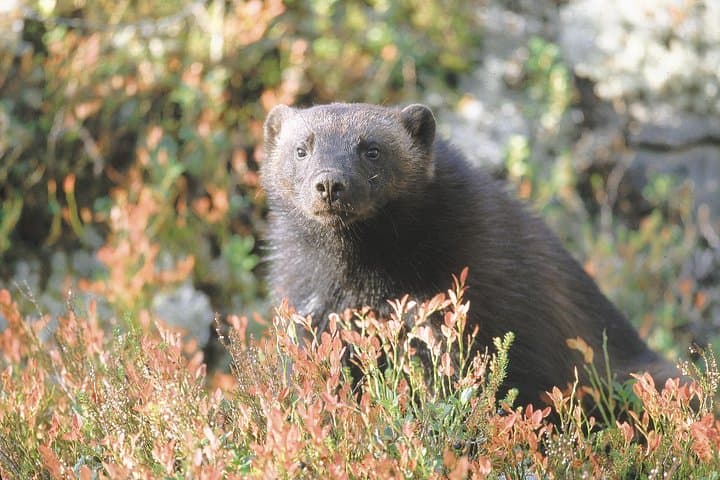
You arrive as the taiga refuses to sleep: the mid‑summer sun hangs low but never disappears, washing the forest in soft, relentless light. Hides sit along game trails and feeding stations, low to the ground with eye‑level windows—numbers 11, 15 and 17–25—designed so the wolverines move through frame as if the world were arranged for a portrait.
You arrive as the taiga refuses to sleep: the mid‑summer sun hangs low but never disappears, washing the forest in soft, relentless light. Hides sit along game trails and feeding stations, low to the ground with eye‑level windows—numbers 11, 15 and 17–25—designed so the wolverines move through frame as if the world were arranged for a portrait.
The region’s landscape is shaped by glacial scouring and peatland, a patchwork of lakes, pines and wind‑gnarled birches that funnels wildlife into predictable corridors. Wolverines here forage intensively in summer to feed cubs; historically this is a place where traditional Sámi livelihoods met a harsh northern ecology, and today careful wildlife management balances tourism and species protection.
On a full‑day stint in the hides you’ll sit in long watches, cameras at the ready, while guides keep disturbance low and baiting strictly regulated. Sightings are reliable: operators report 70–95% chances depending on timing, and evenings can produce multiple animals at once. September–October adds autumn color and higher activity for photographers wanting richer tones.
Practical side: expect long periods of stillness broken by sudden action. Bring a tripod, long lens (300–600mm), neutral colors and scent‑free habits. Hydrate, dress in breathable layers against mosquitoes, and plan for very long daylight—night photography won’t be necessary but patience and quiet are essential. These hides deliver intimate, ethical encounters when approached with respect for the animals and the landscape.