THE ADVENTURE COLLECTIVE® · Independent discovery and booking for outdoor travel

Drive from Chengdu into the Minshan foothills to spend a day at Wolong Panda Base—tour the enclosures with an expert guide and optionally upgrade to a supervised volunteer shift. This accessible day trip pairs close-up panda viewing with conservation-focused learning.
Drive from Chengdu into the Minshan foothills to spend a day at Wolong Panda Base—tour the enclosures with an expert guide and optionally upgrade to a supervised volunteer shift. This accessible day trip pairs close-up panda viewing with conservation-focused learning.
A low, steady hum of wheels on asphalt carries you out of Chengdu before dawn, the plain giving way to pine-scattered foothills and ribboning rivers that dare you to look away. Two hours later the valley opens: the Wolong Panda Base sits among bamboo slopes and the blue-green folds of the Minshan Mountains, where keepers move with calm efficiency and pandas mill through shade like living clocks.
Verified experiences and guided adventures in the surrounding area.
Operated by Interstellar Cloud Tour · Wenchuan, Sichuan
A low, steady hum of wheels on asphalt carries you out of Chengdu before dawn, the plain giving way to pine-scattered foothills and ribboning rivers that dare you to look away. Two hours later the valley opens: the Wolong Panda Base sits among bamboo slopes and the blue-green folds of the Minshan Mountains, where keepers move with calm efficiency and pandas mill through shade like living clocks.
Established in 1963, Wolong is one of China’s earliest comprehensive reserves and a cornerstone of captive-breeding work. The reserve sits on the eastern edge of the Minshan range, a landscape shaped by tectonic uplift and deep river incision; the area also bears scars and recovery from the 2008 Wenchuan earthquake, which accelerated modern conservation and infrastructure efforts. Nearby Qiang communities contribute cultural layers—traditional stonework and local teas visible at small village stops.
On the day tour you’ll get hotel pickup in Chengdu, a two-hour transfer each way, entry to the base, guided walks through enclosures and exhibits, and lunch. Upgrade to a volunteer shift (age 8–70, health permitting) to learn husbandry tasks like preparing bamboo and making enrichment snacks under staff supervision.
Practical guidance: expect long drives on winding mountain roads, wear comfortable walking shoes and layered clothing for variable mountain weather, and carry your passport (required). Photography is allowed but respect keeper instructions—animal welfare comes first. Bring water and motion-sickness remedies if you’re prone; the route is rewarding but requires planning. The visit balances soft adventure and conservation education—ideal for travelers who want close-up wildlife encounters without strenuous hiking.
easy.
6–12 hours.
Minimal fitness required: light walking on flat to gently sloped paths; be prepared for sitting during transfers.
Pandas are the primary residents and are usually visible in viewing areas, but sightings depend on animal schedules and weather; viewing windows can be brief and are managed for welfare.
The volunteer program (ages 8–70, healthy) includes supervised tasks like preparing bamboo, observing feedings, and small enrichment activities; participants must meet health and ID requirements.
Yes—hotel pickup and drop-off in Chengdu are included; airport pickups incur an additional fee depending on airport and hotel distance from the 3rd ring road.
Basic visitor facilities and a lunch are provided as part of the tour; volunteers typically receive a buffet lunch during their extended schedule.
Wolong was founded in 1963 as one of China’s earliest national reserves and later became central to captive-breeding programs and post-2008 earthquake restoration efforts.
Wolong combines public visits with scientific breeding and habitat-restoration work; visitors should follow keepers’ rules to minimize disturbance and support ongoing conservation.
Interstellar Cloud Tour operates guided outdoor trips and adventures with an emphasis on safety, stewardship, and memorable experiences.



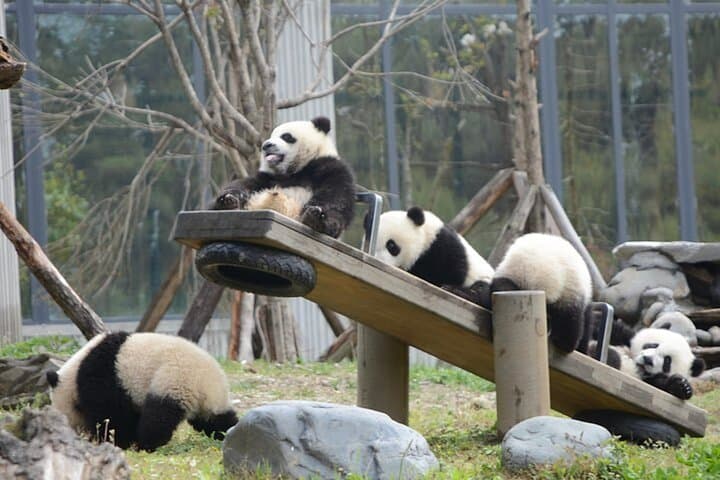
A low, steady hum of wheels on asphalt carries you out of Chengdu before dawn, the plain giving way to pine-scattered foothills and ribboning rivers that dare you to look away. Two hours later the valley opens: the Wolong Panda Base sits among bamboo slopes and the blue-green folds of the Minshan Mountains, where keepers move with calm efficiency and pandas mill through shade like living clocks.
A low, steady hum of wheels on asphalt carries you out of Chengdu before dawn, the plain giving way to pine-scattered foothills and ribboning rivers that dare you to look away. Two hours later the valley opens: the Wolong Panda Base sits among bamboo slopes and the blue-green folds of the Minshan Mountains, where keepers move with calm efficiency and pandas mill through shade like living clocks.
Established in 1963, Wolong is one of China’s earliest comprehensive reserves and a cornerstone of captive-breeding work. The reserve sits on the eastern edge of the Minshan range, a landscape shaped by tectonic uplift and deep river incision; the area also bears scars and recovery from the 2008 Wenchuan earthquake, which accelerated modern conservation and infrastructure efforts. Nearby Qiang communities contribute cultural layers—traditional stonework and local teas visible at small village stops.
On the day tour you’ll get hotel pickup in Chengdu, a two-hour transfer each way, entry to the base, guided walks through enclosures and exhibits, and lunch. Upgrade to a volunteer shift (age 8–70, health permitting) to learn husbandry tasks like preparing bamboo and making enrichment snacks under staff supervision.
Practical guidance: expect long drives on winding mountain roads, wear comfortable walking shoes and layered clothing for variable mountain weather, and carry your passport (required). Photography is allowed but respect keeper instructions—animal welfare comes first. Bring water and motion-sickness remedies if you’re prone; the route is rewarding but requires planning. The visit balances soft adventure and conservation education—ideal for travelers who want close-up wildlife encounters without strenuous hiking.