THE ADVENTURE COLLECTIVE® · Independent discovery and booking for outdoor travel

Spend a day at Wolong Panda Base to see giant pandas in a restored mountain reserve and learn conservation practices from local experts. Optional volunteer activities now focus on observation and food preparation rather than enclosure entry.
Spend a day at Wolong Panda Base to see giant pandas in a restored mountain reserve and learn conservation practices from local experts. Optional volunteer activities now focus on observation and food preparation rather than enclosure entry.
You arrive before dawn as the mountain air sharpens and the road from Chengdu winds into fir and bamboo. The reserve climbs into mist; bamboo leaves scrape like whispers. Walkways curve past enclosures where adult pandas chew deliberate strokes of bamboo while caretakers move with practiced calm. The place still carries the scars and resilience of the 2008 Wenchuan earthquake, visible in rebuilt facilities and renewed forest plantings that helped the population rebound.
Verified experiences and guided adventures in the surrounding area.
Operated by MyPandaTours · Wolong, Sichuan
You arrive before dawn as the mountain air sharpens and the road from Chengdu winds into fir and bamboo. The reserve climbs into mist; bamboo leaves scrape like whispers. Walkways curve past enclosures where adult pandas chew deliberate strokes of bamboo while caretakers move with practiced calm. The place still carries the scars and resilience of the 2008 Wenchuan earthquake, visible in rebuilt facilities and renewed forest plantings that helped the population rebound.
Founded in 1963, Wolong is one of China’s oldest and most important giant panda reserves, set on fluvial terraces carved out by highland rivers and fed by mountain springs. The geology — folded Paleozoic rocks overlain by Quaternary deposits — creates gullies, terraces, and cool microclimates that pandas favor. Local communities in Wenchuan and surrounding Tibetan and Qiang areas have long ties to the land; conservation here blends scientific breeding programs with habitat protection and cultural stewardship.
On a day tour expect 2–4 hours in the panda base, guided interpretation about panda biology and conservation, and a short museum segment. If you choose the volunteer upgrade, activities shift to observational, food-prep demonstrations, and behind-the-scenes briefings rather than direct contact; note that enclosure entry is currently restricted. Practicalities: plan for a long road transfer (about two hours each way from Chengdu), wear sturdy shoes for uneven paths, bring layers for changing mountain weather, and carry cash or card for souvenirs. Respect biosecurity rules (no perfume, no loose food) and move quietly — the pandas notice you more than you notice them.
easy.
6–12 hours.
Suitable for most fitness levels; expect light walking on paved and compacted dirt paths and time spent standing during briefings.
No; as of April 25, 2024 volunteers are not permitted to enter panda enclosures and hands-on cleaning or direct-contact activities have been canceled. Volunteer roles focus on observation, food prep demonstrations, and educational sessions.
The drive is about two hours each way under normal traffic, so allow roughly four hours total for transfers; the itinerary lists 6–12 hours including on-site time.
Yes—lunch, bottled water, and the entrance fee to Wolong Panda Base are included in the tour price as described in the itinerary.
Yes—this tour is listed as physically easy and can accommodate most ages; children must be accompanied by an adult and volunteer age limits apply (usually 8–70 for volunteer upgrade).
Wolong Reserve was established in 1963 and rebuilt after severe damage in the 2008 Wenchuan earthquake, becoming a focal point for panda breeding and habitat restoration.
Strict visitor biosecurity and controlled volunteer activities minimize disease risk and disturbance; supporting official programs helps fund habitat protection and local community projects.
MyPandaTours operates guided outdoor trips and adventures with an emphasis on safety, stewardship, and memorable experiences.
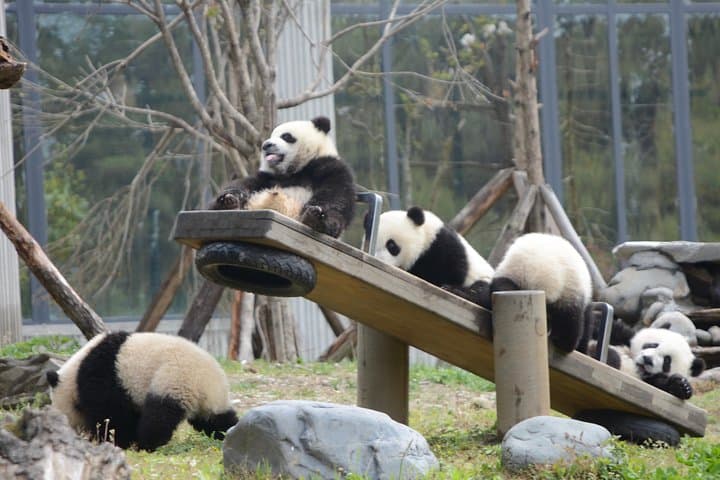

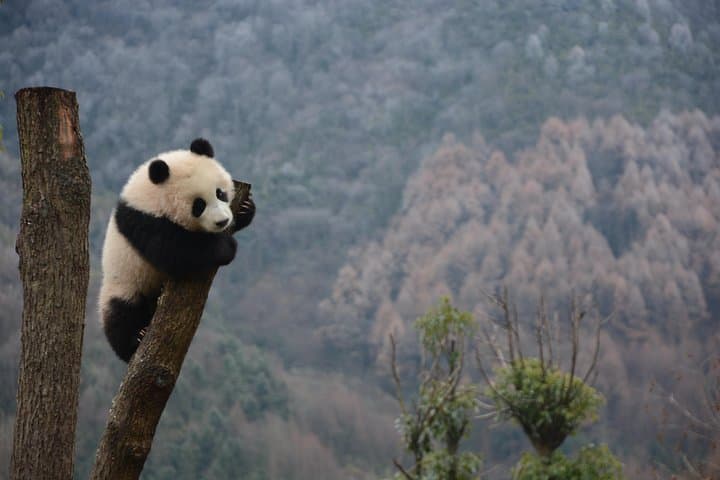

You arrive before dawn as the mountain air sharpens and the road from Chengdu winds into fir and bamboo. The reserve climbs into mist; bamboo leaves scrape like whispers. Walkways curve past enclosures where adult pandas chew deliberate strokes of bamboo while caretakers move with practiced calm. The place still carries the scars and resilience of the 2008 Wenchuan earthquake, visible in rebuilt facilities and renewed forest plantings that helped the population rebound.
You arrive before dawn as the mountain air sharpens and the road from Chengdu winds into fir and bamboo. The reserve climbs into mist; bamboo leaves scrape like whispers. Walkways curve past enclosures where adult pandas chew deliberate strokes of bamboo while caretakers move with practiced calm. The place still carries the scars and resilience of the 2008 Wenchuan earthquake, visible in rebuilt facilities and renewed forest plantings that helped the population rebound.
Founded in 1963, Wolong is one of China’s oldest and most important giant panda reserves, set on fluvial terraces carved out by highland rivers and fed by mountain springs. The geology — folded Paleozoic rocks overlain by Quaternary deposits — creates gullies, terraces, and cool microclimates that pandas favor. Local communities in Wenchuan and surrounding Tibetan and Qiang areas have long ties to the land; conservation here blends scientific breeding programs with habitat protection and cultural stewardship.
On a day tour expect 2–4 hours in the panda base, guided interpretation about panda biology and conservation, and a short museum segment. If you choose the volunteer upgrade, activities shift to observational, food-prep demonstrations, and behind-the-scenes briefings rather than direct contact; note that enclosure entry is currently restricted. Practicalities: plan for a long road transfer (about two hours each way from Chengdu), wear sturdy shoes for uneven paths, bring layers for changing mountain weather, and carry cash or card for souvenirs. Respect biosecurity rules (no perfume, no loose food) and move quietly — the pandas notice you more than you notice them.