THE ADVENTURE COLLECTIVE® · Independent discovery and booking for outdoor travel

Experience the mass movement of wildebeest, zebra and gazelles across the Masai Mara on a focused 4-day safari. Early mornings, river crossings and close game-drive encounters reveal why this seasonal migration ranks among the world’s great wildlife spectacles.
Experience the mass movement of wildebeest, zebra and gazelles across the Masai Mara on a focused 4-day safari. Early mornings, river crossings and close game-drive encounters reveal why this seasonal migration ranks among the world’s great wildlife spectacles.
Dawn spreads slow gold over the Mara—acacia silhouettes sharp against a sky that will fill with hoofbeats. You ride in a canvas-roofed vehicle, binoculars raised, as a river of animals moves with an inexorable will: wildebeest, zebra and grazing gazelles flow across grasslands, then pause at reed-lined rivers where crocodiles watch and currents dare them to cross.
Verified experiences and guided adventures in the surrounding area.
Operated by Jambo Travelhouse Safaris · Masai Mara, Narok County
Dawn spreads slow gold over the Mara—acacia silhouettes sharp against a sky that will fill with hoofbeats. You ride in a canvas-roofed vehicle, binoculars raised, as a river of animals moves with an inexorable will: wildebeest, zebra and grazing gazelles flow across grasslands, then pause at reed-lined rivers where crocodiles watch and currents dare them to cross.
This route follows an ancient migratory loop between the Serengeti and Masai Mara, shaped by Kenya’s rains and the rolling rift-valley plains. Geologically the Mara sits on volcanic soils and layered sediments that feed the grasses sustaining the herds; culturally the reserve overlaps Maasai lands where pastoralist traditions and seasonal movements have coexisted with wildlife for generations.
Expect full days of game drives: morning and afternoon windows for the best light and action, with camp meals between. Terrain is grassy plains, occasional acacia woodland and rutted dirt tracks—vehicles handle most access, but expect jolting transfers over long distances.
Practical notes: bring a telephoto lens and binoculars, plan for early starts and late returns, and prepare for dust and midday heat. Respect Maasai land-use customs—ask before photographing people—and follow ranger guidance around wildlife. Vaccinations and malaria precautions are recommended; pack layered clothing and a sun hat for shifting temperatures from pre-dawn chill to tropical heat.
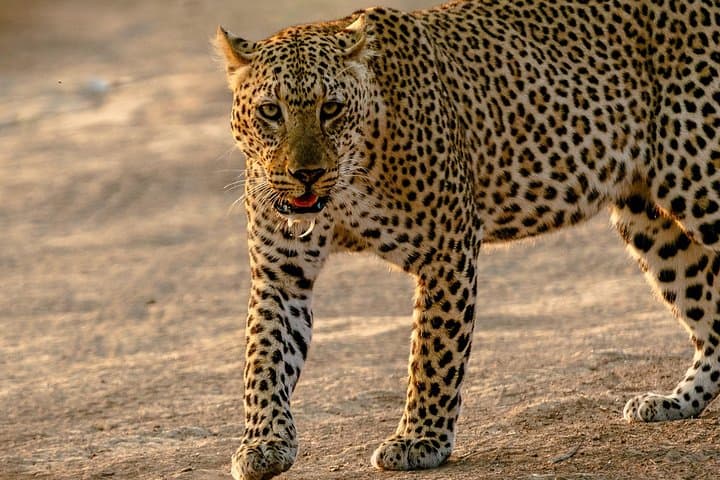
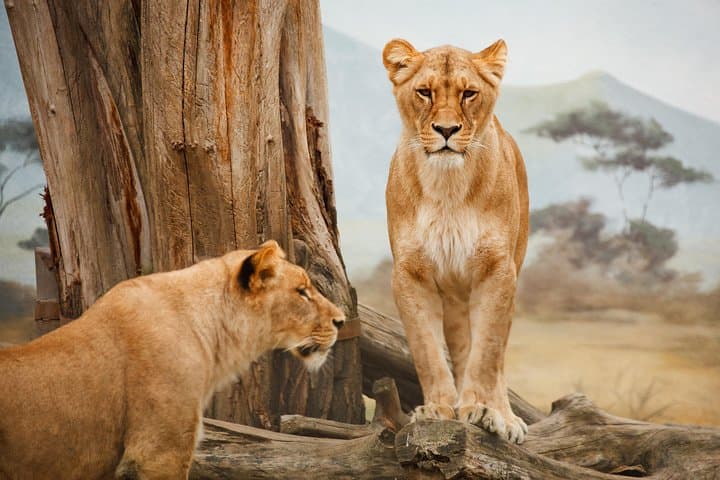
Over four days you’ll see the migration’s scale and the predator-prey choreography that defines East African savanna life—an immersive, vehicle-based wildlife experience that rewards patience, timing and quiet observation.
easy.
4 days.
Suitable for most fitness levels; involves long vehicle drives and short walks at camps, so basic mobility and stamina for early starts is useful
River crossings most often occur during the peak migration months—typically July to September in the Masai Mara—though timings shift with seasonal rains.
Yes—activity is vehicle-based and listed as suitable for most ages, but check with the operator about age limits and prepare for long drives and early starts.
Travelers should check current Kenya entry requirements and consult a health provider for routine vaccinations and malaria prophylaxis before travel.
Vehicles allow close views, but distance is governed by ranger rules and animal behavior; safety and non-interference with wildlife are prioritized.
The Masai Mara was established in 1961 and is part of the larger Serengeti ecosystem; the area’s grazing patterns have long intersected with Maasai pastoral practices.
The migration depends on cross-border habitat connectivity—support park fees and community-based tourism initiatives that fund anti-poaching and local livelihoods.
Jambo Travelhouse Safaris operates guided outdoor trips and adventures with an emphasis on safety, stewardship, and memorable experiences.
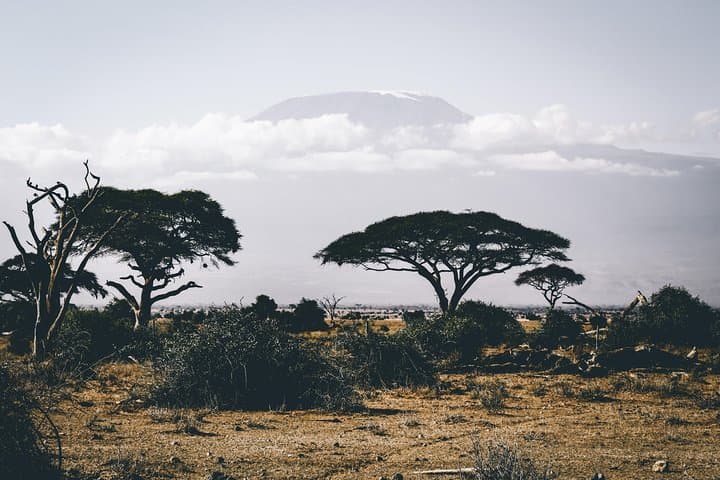
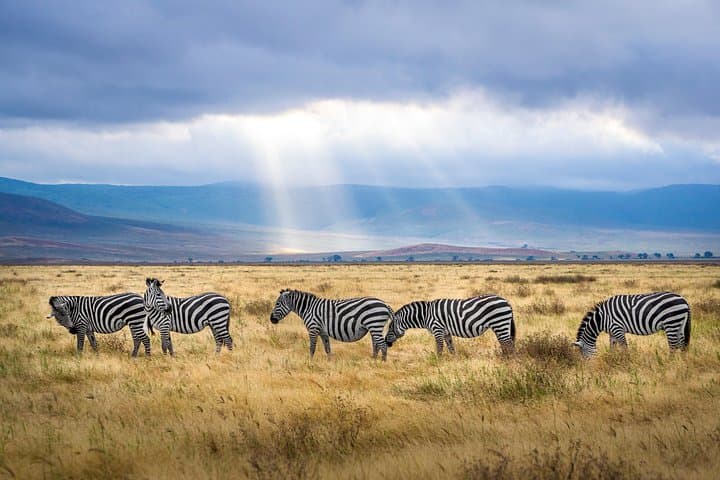
Dawn spreads slow gold over the Mara—acacia silhouettes sharp against a sky that will fill with hoofbeats. You ride in a canvas-roofed vehicle, binoculars raised, as a river of animals moves with an inexorable will: wildebeest, zebra and grazing gazelles flow across grasslands, then pause at reed-lined rivers where crocodiles watch and currents dare them to cross.
Dawn spreads slow gold over the Mara—acacia silhouettes sharp against a sky that will fill with hoofbeats. You ride in a canvas-roofed vehicle, binoculars raised, as a river of animals moves with an inexorable will: wildebeest, zebra and grazing gazelles flow across grasslands, then pause at reed-lined rivers where crocodiles watch and currents dare them to cross.
This route follows an ancient migratory loop between the Serengeti and Masai Mara, shaped by Kenya’s rains and the rolling rift-valley plains. Geologically the Mara sits on volcanic soils and layered sediments that feed the grasses sustaining the herds; culturally the reserve overlaps Maasai lands where pastoralist traditions and seasonal movements have coexisted with wildlife for generations.
Expect full days of game drives: morning and afternoon windows for the best light and action, with camp meals between. Terrain is grassy plains, occasional acacia woodland and rutted dirt tracks—vehicles handle most access, but expect jolting transfers over long distances.
Practical notes: bring a telephoto lens and binoculars, plan for early starts and late returns, and prepare for dust and midday heat. Respect Maasai land-use customs—ask before photographing people—and follow ranger guidance around wildlife. Vaccinations and malaria precautions are recommended; pack layered clothing and a sun hat for shifting temperatures from pre-dawn chill to tropical heat.
Over four days you’ll see the migration’s scale and the predator-prey choreography that defines East African savanna life—an immersive, vehicle-based wildlife experience that rewards patience, timing and quiet observation.