THE ADVENTURE COLLECTIVE® · Independent discovery and booking for outdoor travel

Travel from Morelia to El Rosario and step into a forest alive with monarch butterflies. This full-day outing combines a short uphill hike with rare, large-scale wildlife viewing during winter months.
Travel from Morelia to El Rosario and step into a forest alive with monarch butterflies. This full-day outing combines a short uphill hike with rare, large-scale wildlife viewing during winter months.
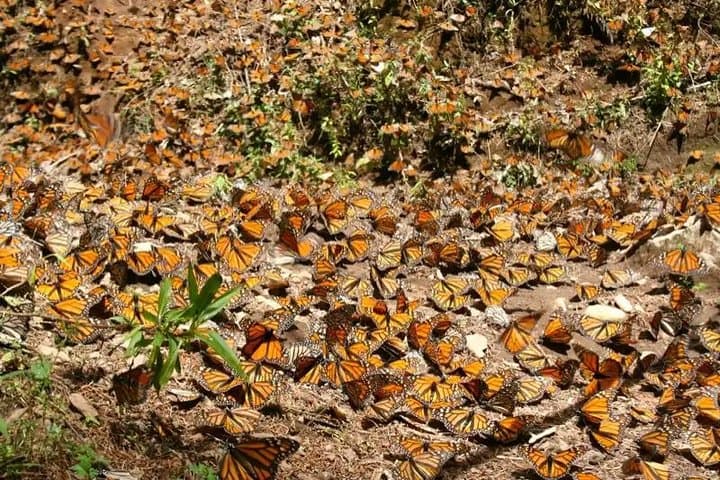
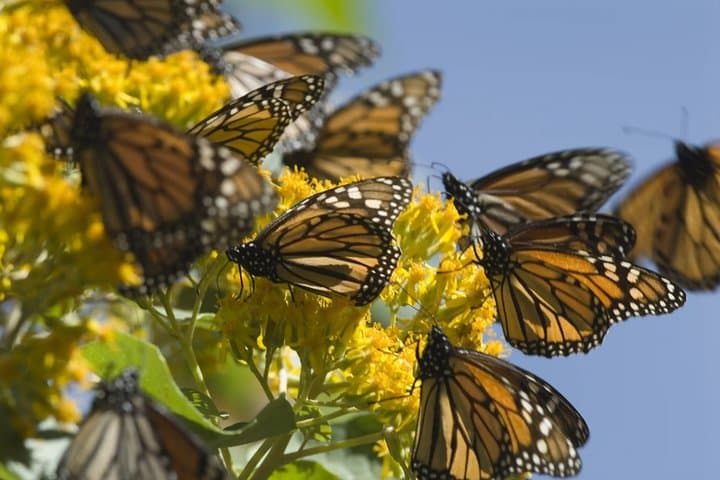
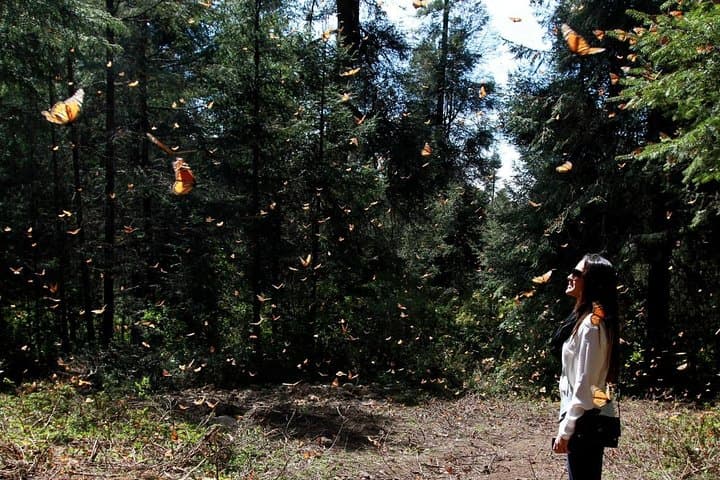
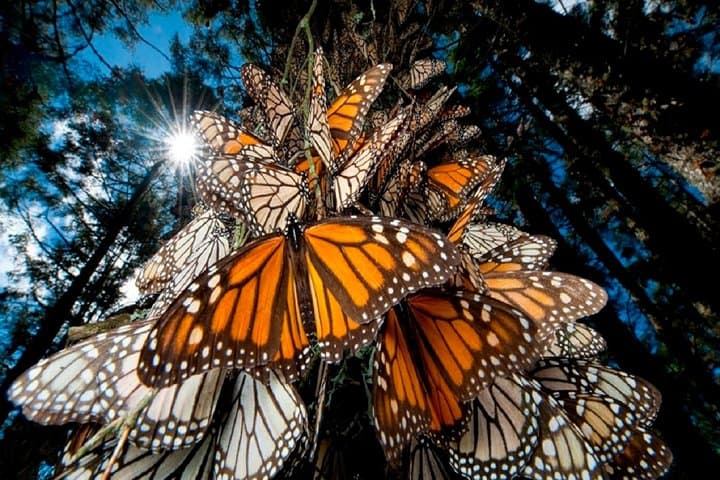
A cold dawn on a high pine slope, and the trees themselves seem to shimmer: thousands of folded wings cling to branches like slow-moving leaves. You arrive by minivan from Morelia, then hike roughly 1.5 km up an uneven forest trail through firs, pines and oaks to reach the core roosting clusters at El Rosario. The butterflies sleep in dense clusters during the cold hours and take flight in late morning, a living cloud rising from the branches.
Verified experiences and guided adventures in the surrounding area.
Operated by Mexitours · Angangueo, Michoacán
A cold dawn on a high pine slope, and the trees themselves seem to shimmer: thousands of folded wings cling to branches like slow-moving leaves. You arrive by minivan from Morelia, then hike roughly 1.5 km up an uneven forest trail through firs, pines and oaks to reach the core roosting clusters at El Rosario. The butterflies sleep in dense clusters during the cold hours and take flight in late morning, a living cloud rising from the branches.
The monarch migration is a transcontinental phenomenon—these insects travel more than 5,000 km from breeding grounds in Canada and the northern United States to overwintering sites in the Trans-Mexican Volcanic Belt. Geologically, the sanctuary sits on volcanic highlands with soils that support mixed conifer forests; culturally, local communities around Angangueo and Ocampo have long combined conservation with small-scale tourism to protect the colonies.
Expect forested switchbacks, dusty sections, and altitudes that feel noticeably thinner—walks are short in distance but can be strenuous depending on pace and acclimatization. Entrance fees to the sanctuary are usually paid on site and are not included in most tour prices. Photographers should avoid flash and keep distance: the goal is to observe without disrupting wintering behavior.
Practical planning: bring layered clothing for chilly mornings, sturdy shoes for rooty trails, at least 1 liter of water, and sun protection for midday. Timing matters—visit between late October and March for the largest concentrations, and aim to arrive early for a quieter, more dramatic viewing before the mass takeoff.
moderate.
11–12 hours.
Light to moderate fitness—able to walk 1.5 km uphill on uneven trail and handle a long day on your feet.
Peak presence runs roughly late October through March; late fall and mid-winter typically show the largest concentrations.
No—most tours cover transport and guide services but require you to pay the sanctuary admission locally in cash.
The trail is about 1.5 km uphill on uneven terrain; it’s short but can feel strenuous at high elevation—suitable for most fitness levels with a steady pace.
Avoid flash and close approaches; guides will advise on respectful viewing distances to prevent disturbing the butterflies.
Local communities established protected sanctuaries in the late 20th century after scientists traced the monarchs’ wintering sites to these highland forests.
Conservation hinges on community-run parks and sustainable tourism; threats include illegal logging and climate variability, so low-impact behavior supports long-term survival.
Mexitours operates guided outdoor trips and adventures with an emphasis on safety, stewardship, and memorable experiences.
A cold dawn on a high pine slope, and the trees themselves seem to shimmer: thousands of folded wings cling to branches like slow-moving leaves. You arrive by minivan from Morelia, then hike roughly 1.5 km up an uneven forest trail through firs, pines and oaks to reach the core roosting clusters at El Rosario. The butterflies sleep in dense clusters during the cold hours and take flight in late morning, a living cloud rising from the branches.
A cold dawn on a high pine slope, and the trees themselves seem to shimmer: thousands of folded wings cling to branches like slow-moving leaves. You arrive by minivan from Morelia, then hike roughly 1.5 km up an uneven forest trail through firs, pines and oaks to reach the core roosting clusters at El Rosario. The butterflies sleep in dense clusters during the cold hours and take flight in late morning, a living cloud rising from the branches.
The monarch migration is a transcontinental phenomenon—these insects travel more than 5,000 km from breeding grounds in Canada and the northern United States to overwintering sites in the Trans-Mexican Volcanic Belt. Geologically, the sanctuary sits on volcanic highlands with soils that support mixed conifer forests; culturally, local communities around Angangueo and Ocampo have long combined conservation with small-scale tourism to protect the colonies.
Expect forested switchbacks, dusty sections, and altitudes that feel noticeably thinner—walks are short in distance but can be strenuous depending on pace and acclimatization. Entrance fees to the sanctuary are usually paid on site and are not included in most tour prices. Photographers should avoid flash and keep distance: the goal is to observe without disrupting wintering behavior.
Practical planning: bring layered clothing for chilly mornings, sturdy shoes for rooty trails, at least 1 liter of water, and sun protection for midday. Timing matters—visit between late October and March for the largest concentrations, and aim to arrive early for a quieter, more dramatic viewing before the mass takeoff.