THE ADVENTURE COLLECTIVE® · Independent discovery and booking for outdoor travel

Spend six days tracking the Great Wildebeest Migration through Serengeti and Ngorongoro: river crossings and the Ndutu calving season highlight a dynamic wildlife spectacle. Plan around seasons, expect long driven days, and prioritize binoculars and patience.
Spend six days tracking the Great Wildebeest Migration through Serengeti and Ngorongoro: river crossings and the Ndutu calving season highlight a dynamic wildlife spectacle. Plan around seasons, expect long driven days, and prioritize binoculars and patience.
Morning light fingers the vast Serengeti plain and a low rumble moves across the grass — thousands of hooves mark a route older than memory. This six-day safari places you where the migration makes its most dramatic moves: river crossings in the northern Mara between July and October, or the crowded calving plains of Ndutu from December to March.
Verified experiences and guided adventures in the surrounding area.
Operated by Twende Africa Tours · Arusha, Arusha Region
Morning light fingers the vast Serengeti plain and a low rumble moves across the grass — thousands of hooves mark a route older than memory. This six-day safari places you where the migration makes its most dramatic moves: river crossings in the northern Mara between July and October, or the crowded calving plains of Ndutu from December to March.
The route threads through landscapes that tell geological and human history: Olduvai Gorge’s fossil beds reveal early human ancestors, while the Ngorongoro Crater — a collapsed volcanic caldera — holds dense wildlife populations in a bowl of fertile soils. Maasai communities still graze cattle and trade stories along the route, offering quick cultural exchanges at Mto wa Mbu.
Game drives unfold on open plains, rolling kopjes, and acacia-scattered riverbanks. Expect prolonged vehicle-based viewing, sudden wildlife encounters, and long windows of patient observation. Lodges and camps vary from rim-side comfort at Ngorongoro to simple, well-sited camps within the Serengeti.
Practically: travel days are long and driven; roads swing from smooth tarmac to rutted tracks. Pack binoculars and neutral clothing, and plan for early starts when predators and herbivores are most active. Health checks, travel insurance, and confirmed park permits are essential. Weather shifts quickly — sun can blaze midday and rain can turn tracks to clay.
For photographers and wildlife lovers, timing is everything. Choose dates to match your priority — crossings or calving — and be ready to follow the animals rather than a fixed schedule. The land here moves you as much as you move through it.
easy.
6 days.
Light fitness required — long vehicle hours, short walks around lodges, and ability to climb in/out of safari vehicles.
July through October is the peak for northern Serengeti/Mara River crossings; exact timing varies year to year with grazing patterns and rains.
No advanced fitness is required — most viewing happens from 4x4 vehicles; you should be comfortable with uneven short walks and getting in/out of vehicles.
Typical inclusions are private transportation, lodge accommodations, park fees, some meals (breakfast, lunch, dinner as specified), and guided game drives — confirm specifics with the operator.
No — sightings depend on animal movements, weather, and season. Guides maximize chances, but wildlife is never guaranteed.
Olduvai Gorge in the route records early human fossils discovered by the Leakey family, tying human evolution to the region’s shifting landscapes.
The migration relies on large, connected grazing corridors; responsible tourism supports anti-poaching, community conservation, and land-use planning to keep routes open.
Twende Africa Tours operates guided outdoor trips and adventures with an emphasis on safety, stewardship, and memorable experiences.
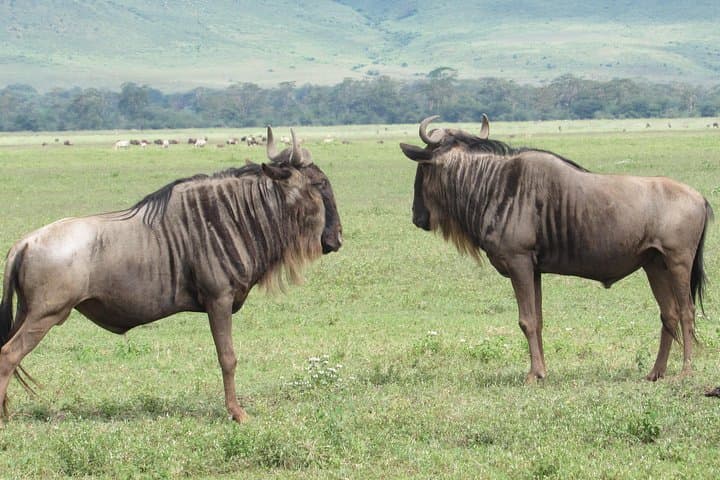
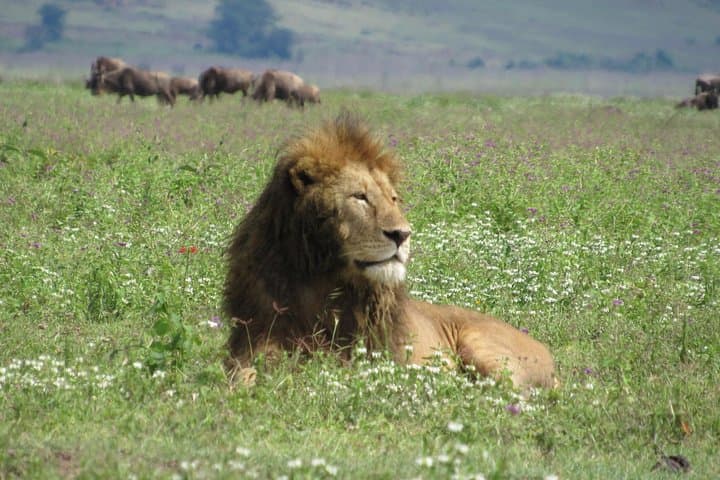
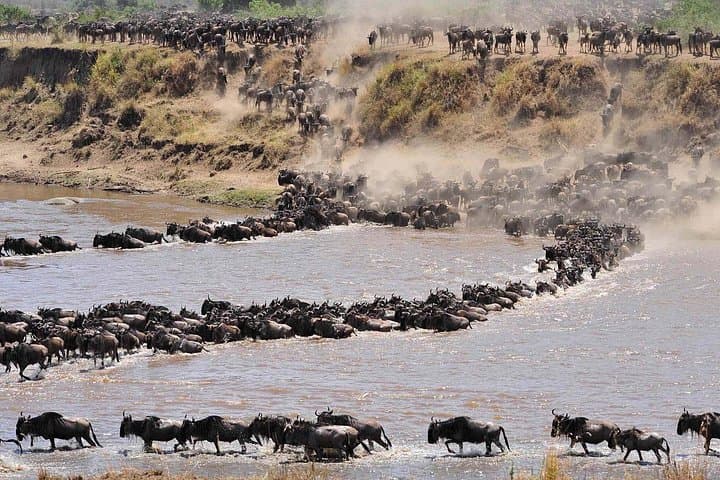
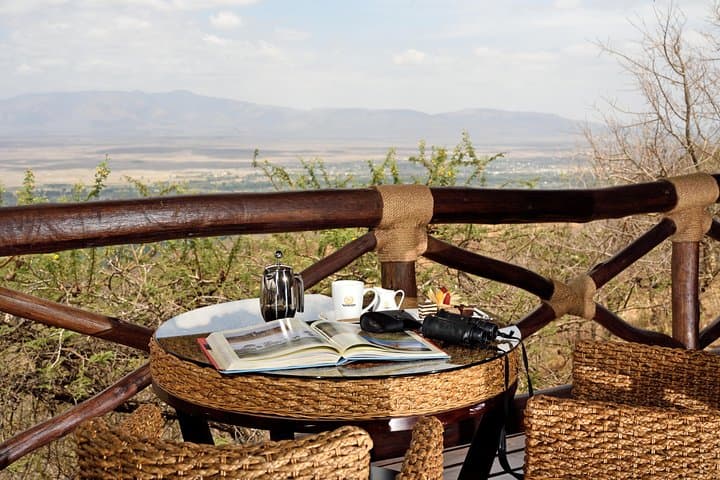
Morning light fingers the vast Serengeti plain and a low rumble moves across the grass — thousands of hooves mark a route older than memory. This six-day safari places you where the migration makes its most dramatic moves: river crossings in the northern Mara between July and October, or the crowded calving plains of Ndutu from December to March.
Morning light fingers the vast Serengeti plain and a low rumble moves across the grass — thousands of hooves mark a route older than memory. This six-day safari places you where the migration makes its most dramatic moves: river crossings in the northern Mara between July and October, or the crowded calving plains of Ndutu from December to March.
The route threads through landscapes that tell geological and human history: Olduvai Gorge’s fossil beds reveal early human ancestors, while the Ngorongoro Crater — a collapsed volcanic caldera — holds dense wildlife populations in a bowl of fertile soils. Maasai communities still graze cattle and trade stories along the route, offering quick cultural exchanges at Mto wa Mbu.
Game drives unfold on open plains, rolling kopjes, and acacia-scattered riverbanks. Expect prolonged vehicle-based viewing, sudden wildlife encounters, and long windows of patient observation. Lodges and camps vary from rim-side comfort at Ngorongoro to simple, well-sited camps within the Serengeti.
Practically: travel days are long and driven; roads swing from smooth tarmac to rutted tracks. Pack binoculars and neutral clothing, and plan for early starts when predators and herbivores are most active. Health checks, travel insurance, and confirmed park permits are essential. Weather shifts quickly — sun can blaze midday and rain can turn tracks to clay.
For photographers and wildlife lovers, timing is everything. Choose dates to match your priority — crossings or calving — and be ready to follow the animals rather than a fixed schedule. The land here moves you as much as you move through it.