THE ADVENTURE COLLECTIVE® · Independent discovery and booking for outdoor travel

Fly into Lake Clark National Park’s remote Alaskan wilderness to observe wild brown bears in their coastal habitat. This six-hour tour combines scenic bush plane flights with safe, up-close wildlife viewing—offering a rare window into the lives of Alaska’s iconic coastal bears.
Fly into Lake Clark National Park’s remote Alaskan wilderness to observe wild brown bears in their coastal habitat. This six-hour tour combines scenic bush plane flights with safe, up-close wildlife viewing—offering a rare window into the lives of Alaska’s iconic coastal bears.
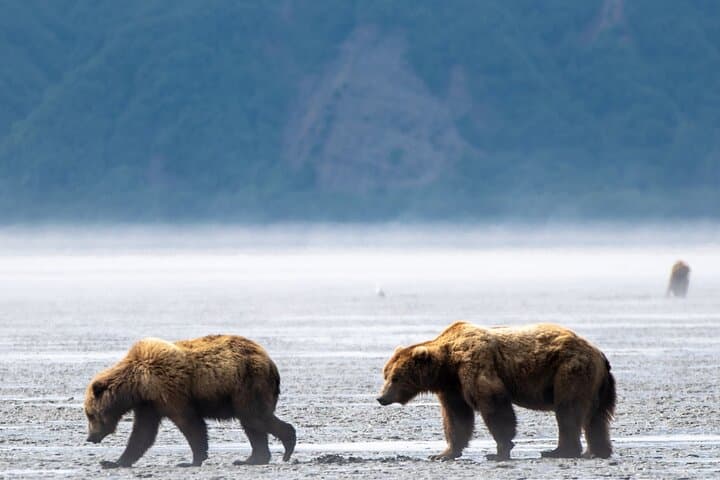
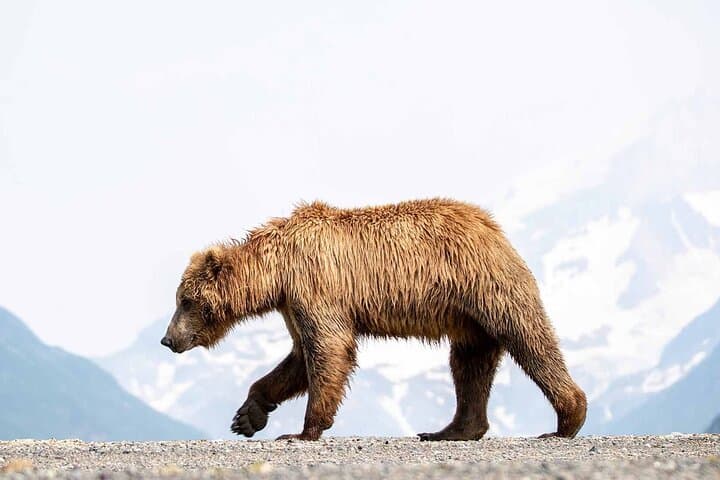
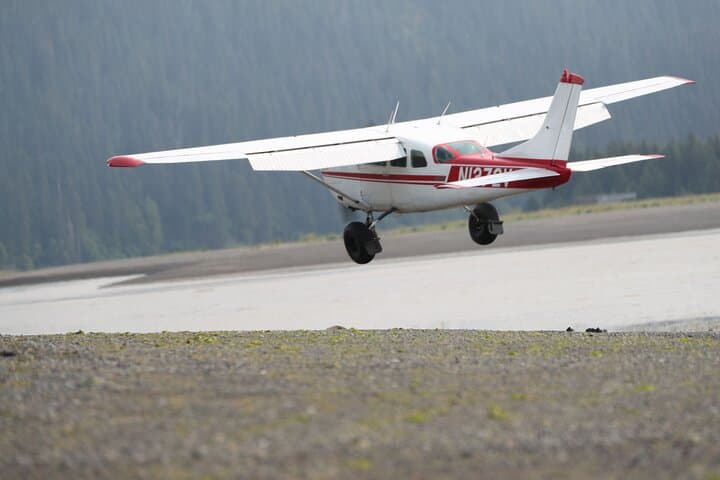
The roar of the bush plane's engine cuts through the crisp Alaskan air as it lifts off from the FLY8MA Pilot Lodge, carving a route over sprawling glaciers, braided rivers, and jagged mountain ridges. Below, Lake Clark National Park sprawls—an untamed wilderness where coastal brown bears reign, meandering along shores and riverbanks carved by ancient ice. This is no ordinary wildlife trip; it’s a chance to witness Alaska’s iconic brown bears as they fish, forage, and interact in a habitat largely untouched by human presence.
Verified experiences and guided adventures in the surrounding area.
Operated by FLY8MA Pilot Lodge · Anchorage, Alaska
The roar of the bush plane's engine cuts through the crisp Alaskan air as it lifts off from the FLY8MA Pilot Lodge, carving a route over sprawling glaciers, braided rivers, and jagged mountain ridges. Below, Lake Clark National Park sprawls—an untamed wilderness where coastal brown bears reign, meandering along shores and riverbanks carved by ancient ice. This is no ordinary wildlife trip; it’s a chance to witness Alaska’s iconic brown bears as they fish, forage, and interact in a habitat largely untouched by human presence.
Lake Clark, straddling the Alaska Peninsula, is a land shaped by fire and ice, where volcanic peaks rise abruptly from sea level, framing bays that cradle salmon-rich streams. This dynamic geology supports a vibrant ecosystem, hosting some of the densest concentrations of coastal brown bears in the world. The bears’ lives follow the rhythm of Alaska’s seasons, fattening up on salmon runs in summer and retreating as winter’s grip tightens.
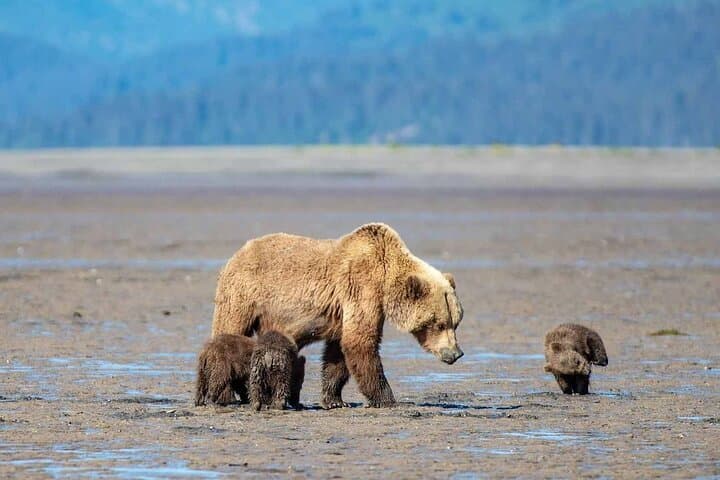
Flying by bush plane deep into this remote expanse means leaving behind the crowds and touching ground near a secluded coastal site. Guided from here, travelers approach a safe vantage point that honors the bears’ space while offering clarity to watch their raw behaviors unfold—massive adults fishing with patience, sows teaching their cubs, and juveniles testing their skills.
The experience balances awe with accessibility. Pilots and guides frame each moment with insights into bear ecology and local conservation efforts that ensure future generations can witness this wild spectacle. The surrounding wilderness feels alive, with wind tossing coastal grasses and water currents daring the salmon upstream.
Practical considerations shape the day. The tour spans roughly six hours, combining flight time with on-foot observation. Moderate fitness is recommended to manage short hikes over uneven terrain. Weather can shift swiftly in coastal Alaska; layering and waterproof gear are necessary to stay comfortable. Snacks are included to keep energy steady as you scan for bears amid tidal flats and river bends.
Planning ahead means booking early, especially in peak summer months when bears are most active. Observers must respect guidelines to minimize disturbance and enhance safety.
This journey to Lake Clark’s wild heart isn’t just a trip—it’s a dialogue with one of America’s last great intact ecosystems, offering a visceral connection to Alaska’s natural pulse that lingers long after the plane lifts back toward Anchorage.
moderate.
6 hours.
Participants should be in moderate physical shape capable of short hikes on uneven terrain and standing for extended periods.
The focus is on coastal brown bears, but you may also glimpse salmon in the rivers, eagles, and other coastal bird species.
Children are welcome but must remain on the adult’s lap during the flight. Ground viewing requires calm behavior and adherence to safety rules.
Snacks are provided, but plan to bring your own water and any additional food you may need.
Tours are weather-dependent and may be canceled or rescheduled for safety if conditions are poor.
No technical skills or hiking experience are necessary. Moderate fitness to walk short distances on uneven ground is recommended.
Viewing takes place from safe distances established by guides to protect both visitors and wildlife.
Lake Clark became a national park in 1980 to protect its unique volcanic landscapes and vital wildlife habitats.
Strict guidelines and permits regulate human activity here to preserve the bears’ natural behaviors and minimize habitat disturbance.
FLY8MA Pilot Lodge operates guided outdoor trips and adventures with an emphasis on safety, stewardship, and memorable experiences.
The roar of the bush plane's engine cuts through the crisp Alaskan air as it lifts off from the FLY8MA Pilot Lodge, carving a route over sprawling glaciers, braided rivers, and jagged mountain ridges. Below, Lake Clark National Park sprawls—an untamed wilderness where coastal brown bears reign, meandering along shores and riverbanks carved by ancient ice. This is no ordinary wildlife trip; it’s a chance to witness Alaska’s iconic brown bears as they fish, forage, and interact in a habitat largely untouched by human presence.
The roar of the bush plane's engine cuts through the crisp Alaskan air as it lifts off from the FLY8MA Pilot Lodge, carving a route over sprawling glaciers, braided rivers, and jagged mountain ridges. Below, Lake Clark National Park sprawls—an untamed wilderness where coastal brown bears reign, meandering along shores and riverbanks carved by ancient ice. This is no ordinary wildlife trip; it’s a chance to witness Alaska’s iconic brown bears as they fish, forage, and interact in a habitat largely untouched by human presence.
Lake Clark, straddling the Alaska Peninsula, is a land shaped by fire and ice, where volcanic peaks rise abruptly from sea level, framing bays that cradle salmon-rich streams. This dynamic geology supports a vibrant ecosystem, hosting some of the densest concentrations of coastal brown bears in the world. The bears’ lives follow the rhythm of Alaska’s seasons, fattening up on salmon runs in summer and retreating as winter’s grip tightens.
Flying by bush plane deep into this remote expanse means leaving behind the crowds and touching ground near a secluded coastal site. Guided from here, travelers approach a safe vantage point that honors the bears’ space while offering clarity to watch their raw behaviors unfold—massive adults fishing with patience, sows teaching their cubs, and juveniles testing their skills.
The experience balances awe with accessibility. Pilots and guides frame each moment with insights into bear ecology and local conservation efforts that ensure future generations can witness this wild spectacle. The surrounding wilderness feels alive, with wind tossing coastal grasses and water currents daring the salmon upstream.
Practical considerations shape the day. The tour spans roughly six hours, combining flight time with on-foot observation. Moderate fitness is recommended to manage short hikes over uneven terrain. Weather can shift swiftly in coastal Alaska; layering and waterproof gear are necessary to stay comfortable. Snacks are included to keep energy steady as you scan for bears amid tidal flats and river bends.
Planning ahead means booking early, especially in peak summer months when bears are most active. Observers must respect guidelines to minimize disturbance and enhance safety.
This journey to Lake Clark’s wild heart isn’t just a trip—it’s a dialogue with one of America’s last great intact ecosystems, offering a visceral connection to Alaska’s natural pulse that lingers long after the plane lifts back toward Anchorage.