THE ADVENTURE COLLECTIVE® · Independent discovery and booking for outdoor travel

Learn traditional broombinding in downtown Salem with a 90‑minute hands‑on workshop. Craft a custom decorative broom using broomcorn, ribbons, and charms while local instructors explain the folk meanings behind each choice.
Learn traditional broombinding in downtown Salem with a 90‑minute hands‑on workshop. Craft a custom decorative broom using broomcorn, ribbons, and charms while local instructors explain the folk meanings behind each choice.
You climb the three-step side entrance of Old Town Hall and the worktable waits — bundles of broomcorn, ribbons, and charms spread like a low-voiced market of materials. The room smells faintly of straw and glue; an instructor in a practical apron guides you through knot, wrap, and flourish.
Verified experiences and guided adventures in the surrounding area.
Operated by Witch City Walking Tours · Salem, Massachusetts
You climb the three-step side entrance of Old Town Hall and the worktable waits — bundles of broomcorn, ribbons, and charms spread like a low-voiced market of materials. The room smells faintly of straw and glue; an instructor in a practical apron guides you through knot, wrap, and flourish.
Salem’s history is unavoidable here: 17th‑century trials and a long maritime arc have shaped a town that trades in stories as much as souvenirs. Broomcorn — a fibrous variety of sorghum used for brooms since the 18th century — anchors the craft, while local tastes favor charm-laden, protective designs that reference folk magic and New England superstition.
The workshop is part craft class, part cultural primer. Expect a short intro on symbolic meanings (protection, prosperity, warding), a hands‑on demo of binding techniques, and 90 minutes to customize a handle, choose colored broomcorn, and attach ribbons and trinkets. The pace is deliberate: you’ll wrap, trim, and learn how to mount the broom as a wall hanging or altar piece.
Practical info: arrive 10 minutes early at the Old Town Hall side entrance (not on Essex Street). Sessions seat a small group and do not accept latecomers. Materials and guidance are provided; children must be supervised. Bring a bag to safely transport your finished broom, wear clothes you don’t mind a bit of straw on, and budget time to explore nearby Derby Square afterward. This is an accessible, tactile way to bring a piece of Salem home, with clear instruction and a touch of local lore.
easy.
1.5 hours.
Suitable for all fitness levels; activity is seated/standing craft work requiring basic manual dexterity
Yes — broomcorn, handles, ribbons, trinkets, and basic tools are supplied as part of the workshop.
Children are allowed but must be supervised; seating is limited and the space aims to remain calm and focused.
No — the workshop meets at the Old Town Hall side entrance with three sets of stairs; check meeting instructions carefully.
Latecomers are not accepted to preserve the flow of the class, so plan to arrive at least 10 minutes early.
Salem’s witch trial legacy and maritime trade shaped a local craft culture that blends folklore with New England seafaring traditions.
Workshops emphasize responsibly sourced broomcorn and reuse of found trinkets; visitors are encouraged to dispose of adhesive and scrap responsibly to reduce studio waste.
Witch City Walking Tours operates guided outdoor trips and adventures with an emphasis on safety, stewardship, and memorable experiences.
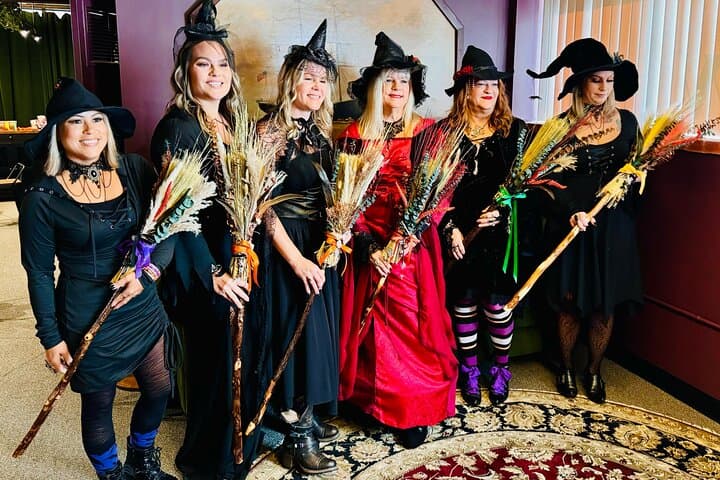
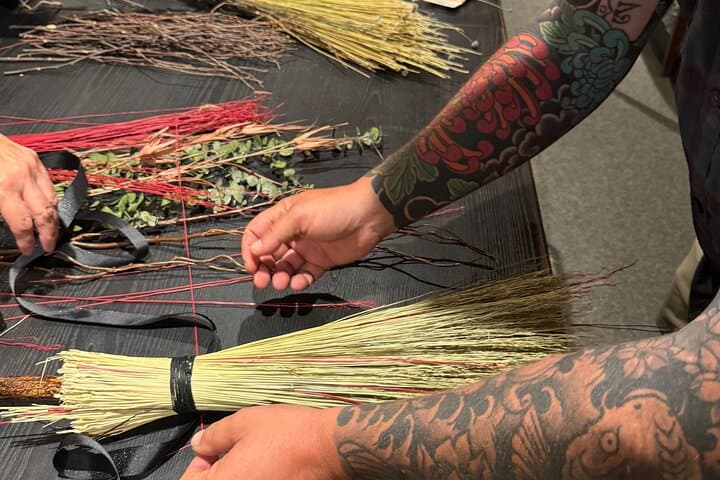
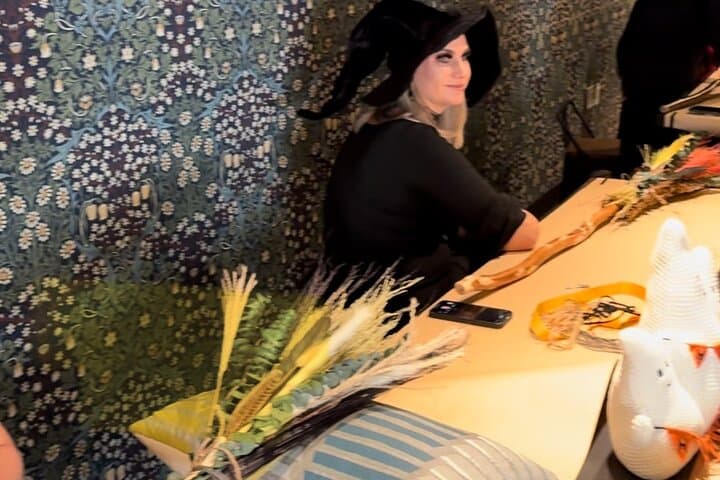
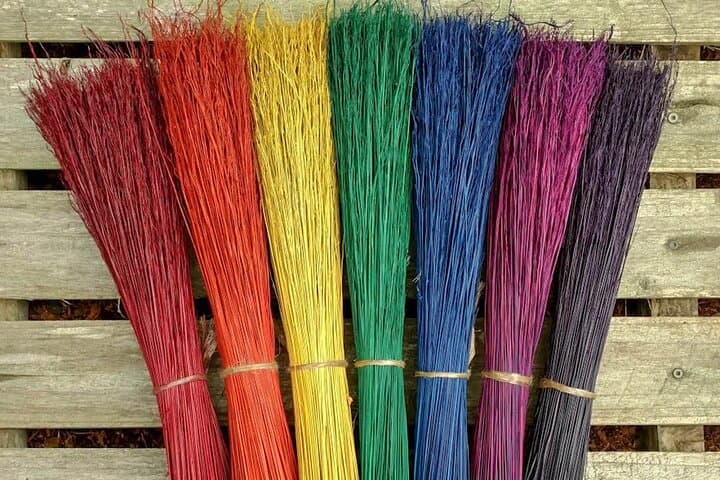
You climb the three-step side entrance of Old Town Hall and the worktable waits — bundles of broomcorn, ribbons, and charms spread like a low-voiced market of materials. The room smells faintly of straw and glue; an instructor in a practical apron guides you through knot, wrap, and flourish.
You climb the three-step side entrance of Old Town Hall and the worktable waits — bundles of broomcorn, ribbons, and charms spread like a low-voiced market of materials. The room smells faintly of straw and glue; an instructor in a practical apron guides you through knot, wrap, and flourish.
Salem’s history is unavoidable here: 17th‑century trials and a long maritime arc have shaped a town that trades in stories as much as souvenirs. Broomcorn — a fibrous variety of sorghum used for brooms since the 18th century — anchors the craft, while local tastes favor charm-laden, protective designs that reference folk magic and New England superstition.
The workshop is part craft class, part cultural primer. Expect a short intro on symbolic meanings (protection, prosperity, warding), a hands‑on demo of binding techniques, and 90 minutes to customize a handle, choose colored broomcorn, and attach ribbons and trinkets. The pace is deliberate: you’ll wrap, trim, and learn how to mount the broom as a wall hanging or altar piece.
Practical info: arrive 10 minutes early at the Old Town Hall side entrance (not on Essex Street). Sessions seat a small group and do not accept latecomers. Materials and guidance are provided; children must be supervised. Bring a bag to safely transport your finished broom, wear clothes you don’t mind a bit of straw on, and budget time to explore nearby Derby Square afterward. This is an accessible, tactile way to bring a piece of Salem home, with clear instruction and a touch of local lore.