THE ADVENTURE COLLECTIVE® · Independent discovery and booking for outdoor travel

Drive the Seward Highway into Turnagain Arm for close winter wildlife viewing and glacial scenery. This half-day tour combines a visit to the Alaska Wildlife Conservation Center with scenic pullouts at Beluga Point and Portage Valley.
Drive the Seward Highway into Turnagain Arm for close winter wildlife viewing and glacial scenery. This half-day tour combines a visit to the Alaska Wildlife Conservation Center with scenic pullouts at Beluga Point and Portage Valley.
The gray van idles in front of a low-slung downtown lobby, a small bear decal on its door like a promise: today you’ll trade Anchorage’s city grid for the raw edges of the Kenai foothills. The road unfurls south along the Seward Highway, and within minutes the city frays into a coastline of tidal flats and wind-swept spruce. Turnagain Arm, a narrow inlet with a temper often as changeable as the weather, pins the route between water and mountain — the tide pushes and pulls with a force you can feel from the roadside, and the arm dares you to look closer.
Verified experiences and guided adventures in the surrounding area.
Operated by Alaska's Finest Tours & Cruises · Anchorage, Alaska
The gray van idles in front of a low-slung downtown lobby, a small bear decal on its door like a promise: today you’ll trade Anchorage’s city grid for the raw edges of the Kenai foothills. The road unfurls south along the Seward Highway, and within minutes the city frays into a coastline of tidal flats and wind-swept spruce. Turnagain Arm, a narrow inlet with a temper often as changeable as the weather, pins the route between water and mountain — the tide pushes and pulls with a force you can feel from the roadside, and the arm dares you to look closer.
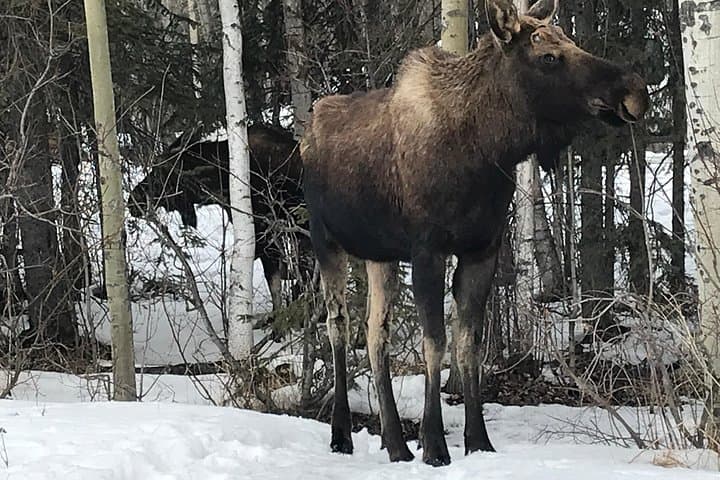
The centerpiece of the tour is the Alaska Wildlife Conservation Center (AWCC), a 140-acre refuge that shelters animals that can’t return to the wild. In winter, the center feels quieter and more intimate: moose stand like hulking sentries along the trail, orphaned bear yearlings tumble through snowdrifts, and reindeer graze under a low northern sun. AWCC’s mission—rehabilitation, education, and public access—frames every encounter; animals are viewed in large, landscape-style enclosures designed to mirror their native terrain.
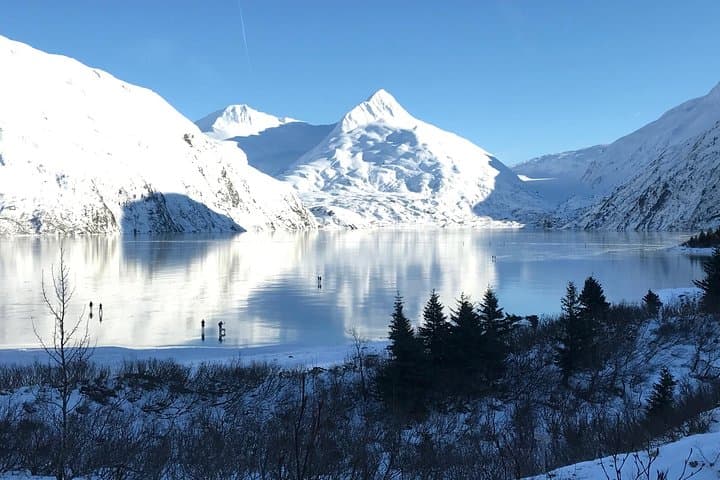
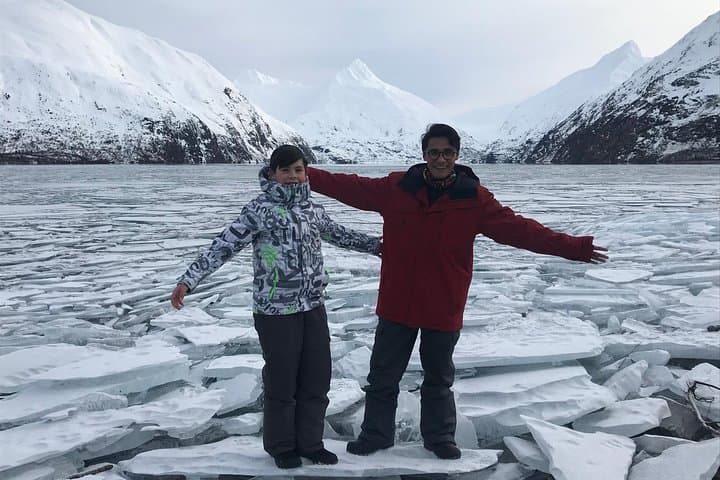
Geology and glaciation are written across the valley you pass through. Portage Valley, once completely filled by ice, now serves as a corridor where remnants of the ice age — Explorer, Middle, Byron, Burns and Shakespeare glaciers — still hang in high cirques. The Seward Highway itself is a National Scenic Byway; its switchbacks and pullouts were carved alongside the arm’s tidal flats, where glacial silt stains the water a steely color and the cliffs bear the scars of long-ago ice.
Culture here is practical and direct. Girdwood and Anchorage support outdoor life year-round; local guides speak glacier science, tide tables and wildlife behavior with equal fluency. Beluga Point, a short stop on the drive, is named for the white whales that move through the inlet in warmer months, a reminder that the area’s wildlife rhythms shift with the seasons.
Practical notes: the tour runs about 4–4.5 hours and includes AWCC admission. Dress in layered, waterproof clothing and bring warm gloves—wind off the arm bites through thin fabrics. Binoculars and a camera with a mid-telephoto lens will get you closer images without stressing wildlife. Trails at the center are groomed in winter but can be icy; traction microspikes are useful if you plan to wander beyond the main viewing platforms.
Timing matters: light is low in winter, so plan for early departure to catch slanting sunlight that lights the mountains and textures the snow. Respect viewing distances at AWCC and for roadside wildlife—these animals are protected, and your space keeps them wild. By the time you return to Anchorage the city lights feel softer, the day stretched by wide horizons and the kind of raw encounters that make Alaska feel immediate and big.
moderate.
4–4.5 hours.
Moderate fitness for short walks and standing during wildlife viewing; be prepared for cold and wind.
Meet at 509 W. 3rd Ave in Anchorage (across from the Hilton); check in at the concierge desk and look for the gray van with a bear decal.
Yes—admission to the Alaska Wildlife Conservation Center is included in the tour price.
Belugas are most commonly seen in summer; winter sightings are rare—Beluga Point remains a dramatic coastal viewpoint regardless of whale activity.
The tour is family-friendly, but AWCC and some pullouts involve walking on uneven or icy surfaces; the operator notes it’s not recommended for travelers with serious spinal or heart issues.
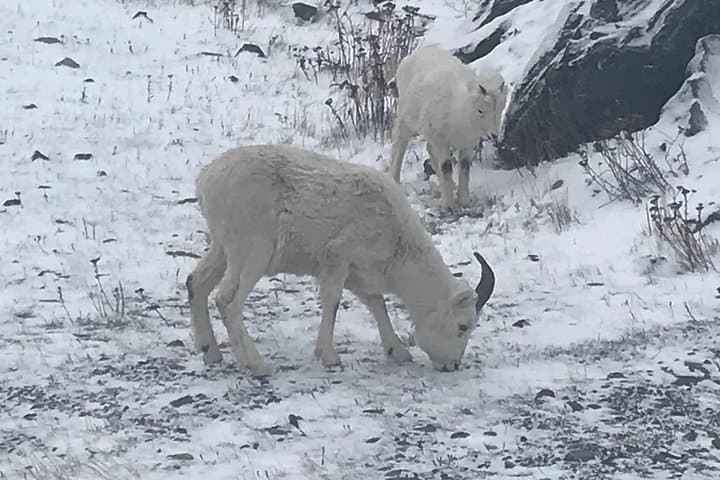
At the center expect moose, black bears, reindeer and lynx in viewable enclosures; roadside sightings can include eagles and sometimes moose.
Cancel at least 24 hours before departure for a full refund; the tour may be canceled for bad weather or insufficient travelers.
Turnagain Arm and Portage Valley were sculpted by successive ice ages; Portage Valley once hosted a single sprawling glacier and remnants still feed the region’s waterways.
The AWCC rehabilitates injured and orphaned animals and uses interpretation to reduce human-wildlife conflict; visitors are asked to respect distances and follow center rules.
Alaska's Finest Tours & Cruises operates guided outdoor trips and adventures with an emphasis on safety, stewardship, and memorable experiences.
The gray van idles in front of a low-slung downtown lobby, a small bear decal on its door like a promise: today you’ll trade Anchorage’s city grid for the raw edges of the Kenai foothills. The road unfurls south along the Seward Highway, and within minutes the city frays into a coastline of tidal flats and wind-swept spruce. Turnagain Arm, a narrow inlet with a temper often as changeable as the weather, pins the route between water and mountain — the tide pushes and pulls with a force you can feel from the roadside, and the arm dares you to look closer.
The gray van idles in front of a low-slung downtown lobby, a small bear decal on its door like a promise: today you’ll trade Anchorage’s city grid for the raw edges of the Kenai foothills. The road unfurls south along the Seward Highway, and within minutes the city frays into a coastline of tidal flats and wind-swept spruce. Turnagain Arm, a narrow inlet with a temper often as changeable as the weather, pins the route between water and mountain — the tide pushes and pulls with a force you can feel from the roadside, and the arm dares you to look closer.
The centerpiece of the tour is the Alaska Wildlife Conservation Center (AWCC), a 140-acre refuge that shelters animals that can’t return to the wild. In winter, the center feels quieter and more intimate: moose stand like hulking sentries along the trail, orphaned bear yearlings tumble through snowdrifts, and reindeer graze under a low northern sun. AWCC’s mission—rehabilitation, education, and public access—frames every encounter; animals are viewed in large, landscape-style enclosures designed to mirror their native terrain.
Geology and glaciation are written across the valley you pass through. Portage Valley, once completely filled by ice, now serves as a corridor where remnants of the ice age — Explorer, Middle, Byron, Burns and Shakespeare glaciers — still hang in high cirques. The Seward Highway itself is a National Scenic Byway; its switchbacks and pullouts were carved alongside the arm’s tidal flats, where glacial silt stains the water a steely color and the cliffs bear the scars of long-ago ice.
Culture here is practical and direct. Girdwood and Anchorage support outdoor life year-round; local guides speak glacier science, tide tables and wildlife behavior with equal fluency. Beluga Point, a short stop on the drive, is named for the white whales that move through the inlet in warmer months, a reminder that the area’s wildlife rhythms shift with the seasons.
Practical notes: the tour runs about 4–4.5 hours and includes AWCC admission. Dress in layered, waterproof clothing and bring warm gloves—wind off the arm bites through thin fabrics. Binoculars and a camera with a mid-telephoto lens will get you closer images without stressing wildlife. Trails at the center are groomed in winter but can be icy; traction microspikes are useful if you plan to wander beyond the main viewing platforms.
Timing matters: light is low in winter, so plan for early departure to catch slanting sunlight that lights the mountains and textures the snow. Respect viewing distances at AWCC and for roadside wildlife—these animals are protected, and your space keeps them wild. By the time you return to Anchorage the city lights feel softer, the day stretched by wide horizons and the kind of raw encounters that make Alaska feel immediate and big.