THE ADVENTURE COLLECTIVE® · Independent discovery and booking for outdoor travel

See Jigokudani’s famous snow monkeys soak in steaming pools and explore Obuse’s chestnut-lined streets on a guided winter day trip from Nagano. Expect snow hiking with crampons, cultural stops, and expert local commentary.
See Jigokudani’s famous snow monkeys soak in steaming pools and explore Obuse’s chestnut-lined streets on a guided winter day trip from Nagano. Expect snow hiking with crampons, cultural stops, and expert local commentary.
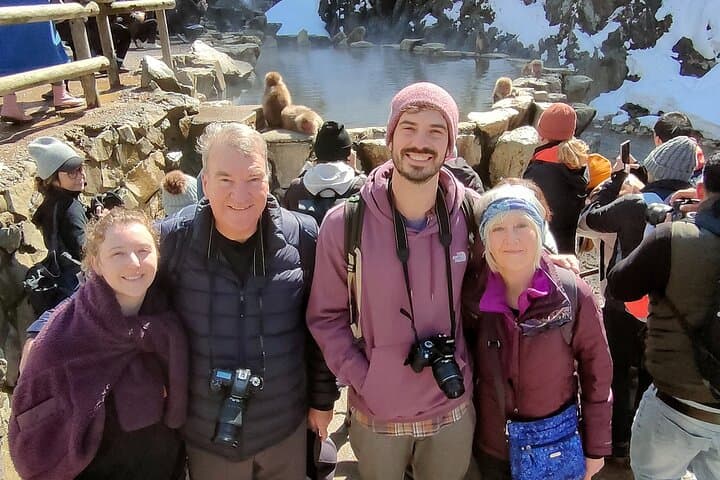
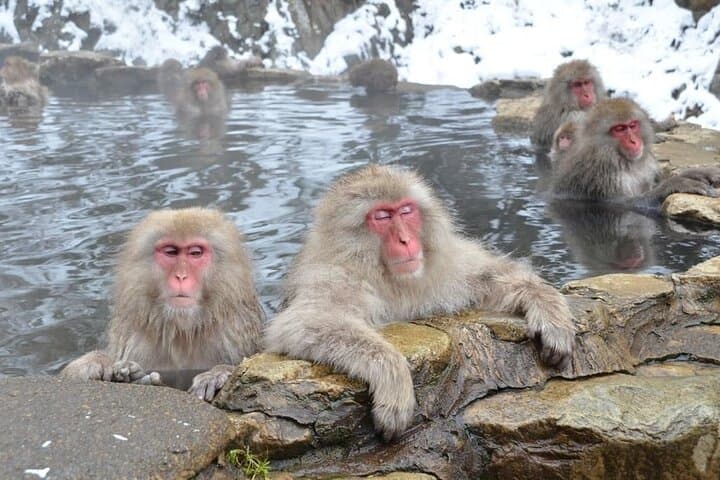
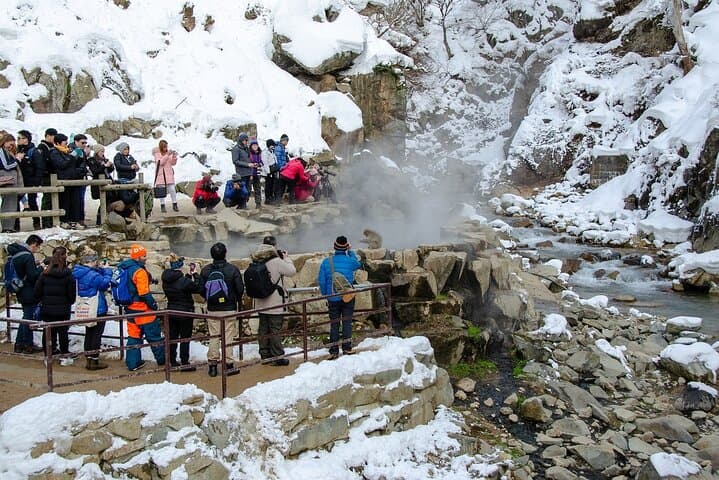
Steam curls from a rocky ravine as visitors step onto a narrow trail, the air sharp with alpine cold and the distant murmur of water. In winter, the snow monkeys of Jigokudani lumber through powder and slip into a steaming onsen, indifferent to cameras and the hush of spectators. The tour opens here — a deliberate, slow approach across packed snow to the monkeys' hot-spring edge, led by a nationally licensed guide who explains behavior and park etiquette.
Verified experiences and guided adventures in the surrounding area.
Operated by MY Travel Consulting · Yamanouchi, Nagano Prefecture
Steam curls from a rocky ravine as visitors step onto a narrow trail, the air sharp with alpine cold and the distant murmur of water. In winter, the snow monkeys of Jigokudani lumber through powder and slip into a steaming onsen, indifferent to cameras and the hush of spectators. The tour opens here — a deliberate, slow approach across packed snow to the monkeys' hot-spring edge, led by a nationally licensed guide who explains behavior and park etiquette.
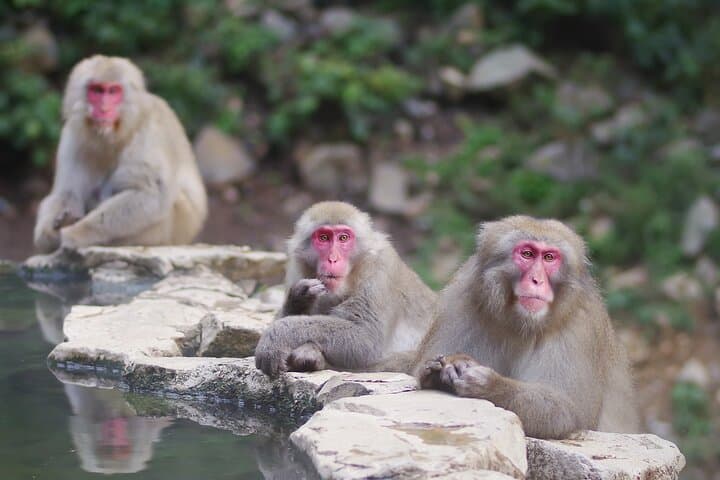
The valley itself is carved by volcanic activity; hot springs rise through basalt and andesite, creating the warm pools that draw macaques in harsh months. Nearby Obuse, by contrast, is a lowland chestnut town with Edo-period ties to artist Hokusai — its small museums and painted temple ceilings reflect a local culture shaped by merchant wealth and rural craft.
Practically, expect an eight-hour day with roughly one to one-and-a-half hours of hiking on snow-covered trails. Crampons are fitted to shoes on-site; trails are compacted but can be icy. Guides typically include pickup options from Nagano and handle public-transport logistics for travelers from Tokyo.
Respect for wildlife is mandatory: do not feed or touch the monkeys, keep distance, and follow your guide’s directions. Dress in insulated, waterproof layers and allow extra time for photography and short walks in Obuse if included. Morning visits reduce crowding; check weather since conditions can reroute the itinerary. For photographers and nature-minded travelers, the contrast of steaming water, red faces, and white snow makes this a concise, high-reward winter outing.
moderate.
8 hours.
Moderate fitness required — able to walk 1–2 hours on uneven, snowy terrain with short uphill sections
Mid-December to mid-March is peak snow season and the best chance to see macaques consistently using the hot springs.
Yes — simple crampons are fitted for walking the snow-covered trail and are required for safety during winter conditions.
No. For safety and conservation, feeding and touching macaques is prohibited; follow your guide’s distancing rules.
Not recommended for pregnant travelers or those with significant spinal or cardiovascular issues; children are allowed but should be supervised due to cold and trail conditions.
Jigokudani formed where volcanic geothermal activity heats groundwater; Obuse grew as a merchant town notable for chestnuts and its association with ukiyo-e artist Hokusai.
The park manages visitor access to reduce stress on macaques; stay on marked trails, avoid flash photography close to animals, and follow disposal rules to limit human-wildlife conflict.
MY Travel Consulting operates guided outdoor trips and adventures with an emphasis on safety, stewardship, and memorable experiences.
Steam curls from a rocky ravine as visitors step onto a narrow trail, the air sharp with alpine cold and the distant murmur of water. In winter, the snow monkeys of Jigokudani lumber through powder and slip into a steaming onsen, indifferent to cameras and the hush of spectators. The tour opens here — a deliberate, slow approach across packed snow to the monkeys' hot-spring edge, led by a nationally licensed guide who explains behavior and park etiquette.
Steam curls from a rocky ravine as visitors step onto a narrow trail, the air sharp with alpine cold and the distant murmur of water. In winter, the snow monkeys of Jigokudani lumber through powder and slip into a steaming onsen, indifferent to cameras and the hush of spectators. The tour opens here — a deliberate, slow approach across packed snow to the monkeys' hot-spring edge, led by a nationally licensed guide who explains behavior and park etiquette.
The valley itself is carved by volcanic activity; hot springs rise through basalt and andesite, creating the warm pools that draw macaques in harsh months. Nearby Obuse, by contrast, is a lowland chestnut town with Edo-period ties to artist Hokusai — its small museums and painted temple ceilings reflect a local culture shaped by merchant wealth and rural craft.
Practically, expect an eight-hour day with roughly one to one-and-a-half hours of hiking on snow-covered trails. Crampons are fitted to shoes on-site; trails are compacted but can be icy. Guides typically include pickup options from Nagano and handle public-transport logistics for travelers from Tokyo.
Respect for wildlife is mandatory: do not feed or touch the monkeys, keep distance, and follow your guide’s directions. Dress in insulated, waterproof layers and allow extra time for photography and short walks in Obuse if included. Morning visits reduce crowding; check weather since conditions can reroute the itinerary. For photographers and nature-minded travelers, the contrast of steaming water, red faces, and white snow makes this a concise, high-reward winter outing.