THE ADVENTURE COLLECTIVE® · Independent discovery and booking for outdoor travel

Skip the last-mile hassle with a private transfer from Winter Park to Denver International Airport. Expect a 1.5–2 hour drive over mountain roads with luggage help, flight tracking, and options for child seats and ski equipment.
Skip the last-mile hassle with a private transfer from Winter Park to Denver International Airport. Expect a 1.5–2 hour drive over mountain roads with luggage help, flight tracking, and options for child seats and ski equipment.
You step out into the thin, crisp air of Winter Park, skis clicking against the boardwalk, and your driver waits with a nameplate while the alpine ridgelines hold the last light. The road down to Denver International Airport slices through evergreen stands and high basins, dropping from mountain quiet to the open sweep of the Denver plains — a deliberate unwinding after a day (or week) in the Colorado high country.
Verified experiences and guided adventures in the surrounding area.
Operated by taxiGo Limo Airport Service · Winter Park, Colorado
You step out into the thin, crisp air of Winter Park, skis clicking against the boardwalk, and your driver waits with a nameplate while the alpine ridgelines hold the last light. The road down to Denver International Airport slices through evergreen stands and high basins, dropping from mountain quiet to the open sweep of the Denver plains — a deliberate unwinding after a day (or week) in the Colorado high country.
Winter Park sits on old Ute territory and grew around rail access and winter recreation in the 20th century; today the route follows corridors carved for commerce and travel across the Front Range and the Continental Divide. Geologically, you descend from uplifted Precambrian and Tertiary ranges into the sedimentary basins that form the eastern plains. Culturally, the ride moves you from resort rhythms and ski-town hospitality to the broader urban grid of Denver and its airport.
Practical guidance is straightforward: the transfer covers roughly 75–85 miles and takes about 1.5–2 hours depending on traffic and weather, with an elevation change near 3,500–4,000 feet. Roads are paved interstate and US routes, but winter conditions can add delays; drivers typically track flights, help with skis and heavy bags, and can supply child seats on request. Plan 2–3 extra hours buffer before departure during peak windows, keep travel documents and airline notifications handy, and stow wet gear in protective bags to keep the vehicle dry. A private transfer trades the stress of parking, mountain driving and multiple shuttles for door‑to‑door reliability — a practical end to a mountain trip.
easy.
1.5–2 hours.
Minimal physical exertion; able to board a vehicle and manage luggage
Typical drive time is 1.5–2 hours (about 75–85 miles) depending on traffic and weather; plan extra time during peak ski periods.
Yes — most vehicles accommodate skis and snowboards; note your equipment at booking so the operator can provide proper tie‑downs or storage.
Child seats are available on request and service animals are permitted; notify the operator when booking to reserve seats or confirm pet policies.
Drivers normally monitor flight status and adjust pickup windows accordingly, but confirm the operator’s policy and provide updated flight details if delays occur.
The Winter Park area developed from Ute lands into a rail- and ski-centered community in the early-to-mid 20th century, shaping its tourism-focused infrastructure.
High‑alpine ecosystems are sensitive; keep gear and waste contained, and use designated parking and loading zones to reduce roadside impacts.
taxiGo Limo Airport Service operates guided outdoor trips and adventures with an emphasis on safety, stewardship, and memorable experiences.
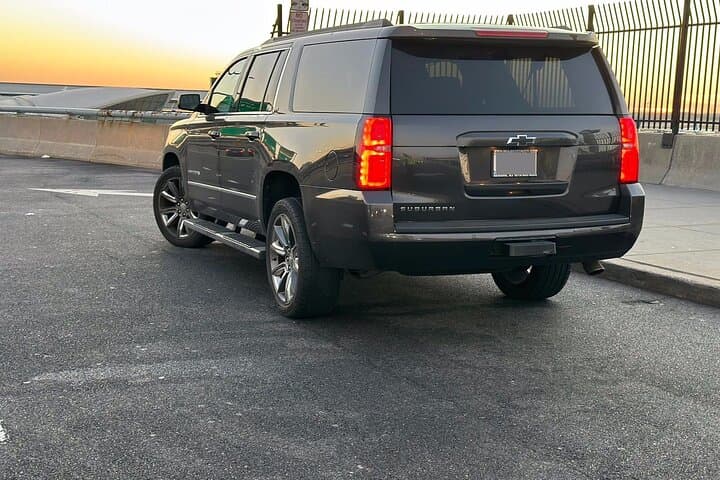


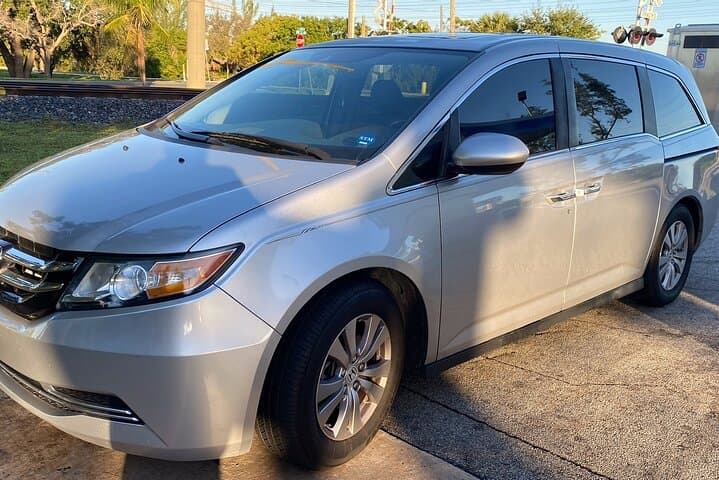
You step out into the thin, crisp air of Winter Park, skis clicking against the boardwalk, and your driver waits with a nameplate while the alpine ridgelines hold the last light. The road down to Denver International Airport slices through evergreen stands and high basins, dropping from mountain quiet to the open sweep of the Denver plains — a deliberate unwinding after a day (or week) in the Colorado high country.
You step out into the thin, crisp air of Winter Park, skis clicking against the boardwalk, and your driver waits with a nameplate while the alpine ridgelines hold the last light. The road down to Denver International Airport slices through evergreen stands and high basins, dropping from mountain quiet to the open sweep of the Denver plains — a deliberate unwinding after a day (or week) in the Colorado high country.
Winter Park sits on old Ute territory and grew around rail access and winter recreation in the 20th century; today the route follows corridors carved for commerce and travel across the Front Range and the Continental Divide. Geologically, you descend from uplifted Precambrian and Tertiary ranges into the sedimentary basins that form the eastern plains. Culturally, the ride moves you from resort rhythms and ski-town hospitality to the broader urban grid of Denver and its airport.
Practical guidance is straightforward: the transfer covers roughly 75–85 miles and takes about 1.5–2 hours depending on traffic and weather, with an elevation change near 3,500–4,000 feet. Roads are paved interstate and US routes, but winter conditions can add delays; drivers typically track flights, help with skis and heavy bags, and can supply child seats on request. Plan 2–3 extra hours buffer before departure during peak windows, keep travel documents and airline notifications handy, and stow wet gear in protective bags to keep the vehicle dry. A private transfer trades the stress of parking, mountain driving and multiple shuttles for door‑to‑door reliability — a practical end to a mountain trip.