THE ADVENTURE COLLECTIVE® · Independent discovery and booking for outdoor travel

A full-day winter ascent of Skolio (2,909 m) on Mt. Olympus that traces ski-lift approaches, alpine passes, and a ridge finish. Expect hard snow, long climbs, and sweeping views across peaks and the Aegean.
A full-day winter ascent of Skolio (2,909 m) on Mt. Olympus that traces ski-lift approaches, alpine passes, and a ridge finish. Expect hard snow, long climbs, and sweeping views across peaks and the Aegean.
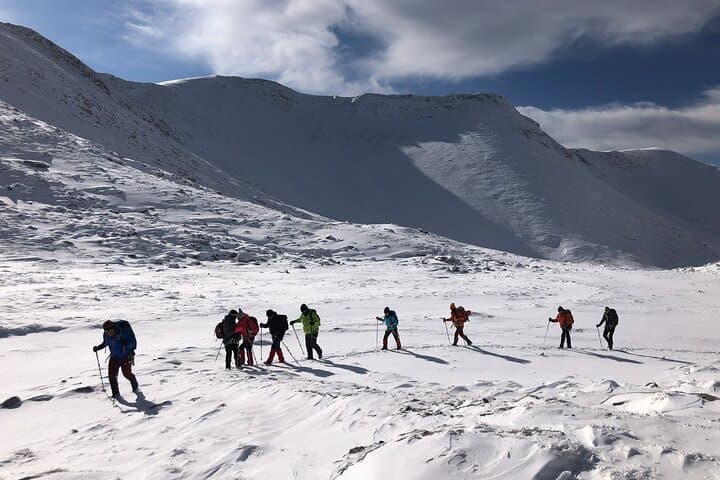
You step out of the crisp alpine air at the KEOACH parking lot and the mountain greets you with an honest, white silence—wind pushing dusting snow across the road, the ridge of Skolio rising like a pale lip against the sky.
Verified experiences and guided adventures in the surrounding area.
Operated by TREKKING HELLAS · Litochoro, Central Macedonia
You step out of the crisp alpine air at the KEOACH parking lot and the mountain greets you with an honest, white silence—wind pushing dusting snow across the road, the ridge of Skolio rising like a pale lip against the sky.
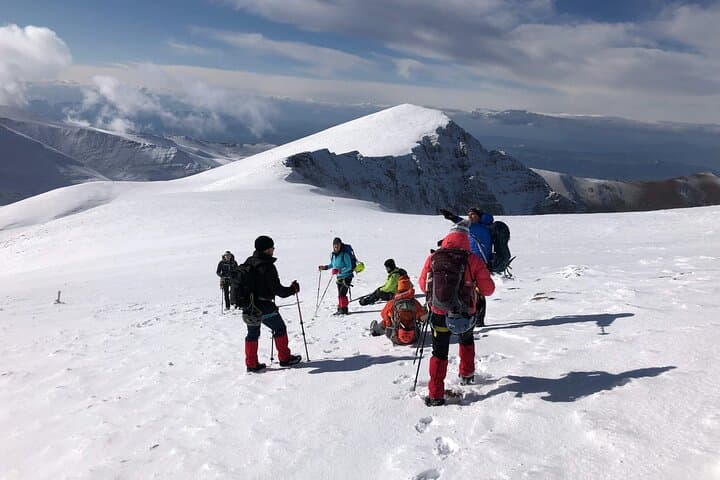
Mt. Olympus is Greece’s highest massif, a range carved from Mesozoic limestone and shaped by glacial action; its slopes mix steep rocky ribs with broad alpine bowls. The route to Skolio (2,909 m) crosses the Vrysopoules ski lifts, climbs through an alpine zone near Migotzidis pass (≈2,400 m), and finishes on a ridge that exposes the summit’s skeleton of grey rock and snow. Local culture around Litochoro blends mountain shepherding, Orthodox monastic history, and coastal towns that have long supplied guides and mules for Olympus pilgrims.
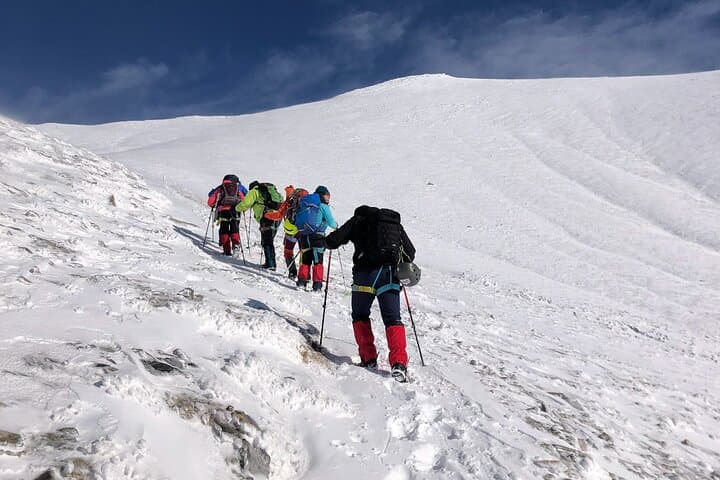
Expect classic high-winter conditions: hard-packed snow, wind-scoured ridgelines, and sudden weather changes. The ascent is long and exposed in places; crampons and an ice axe are standard. The mountain’s character is direct—its ridges dare you forward and its gullies funnel winter weather with intent.
Practical guidance: start early to use firmer snow, move steadily to manage altitude and cold, and travel with a certified guide if you lack winter-mountaineering experience. Carry layered clothing, extra food, and navigation tools. Group sizes are small on private departures, but always confirm evacuation and weather policies before booking.
challenging.
10 hours.
High level of aerobic fitness and endurance required; previous multi-hour uphill hiking experience recommended.
You should be fit for sustained uphill travel at altitude—expect 8–10 hours of mixed snow and rocky terrain; previous long winter hikes are strongly recommended.
Basic winter-mountaineering skills (crampon and ice axe use, self-arrest) are expected; guides include technical instruction but not beginner-only training.
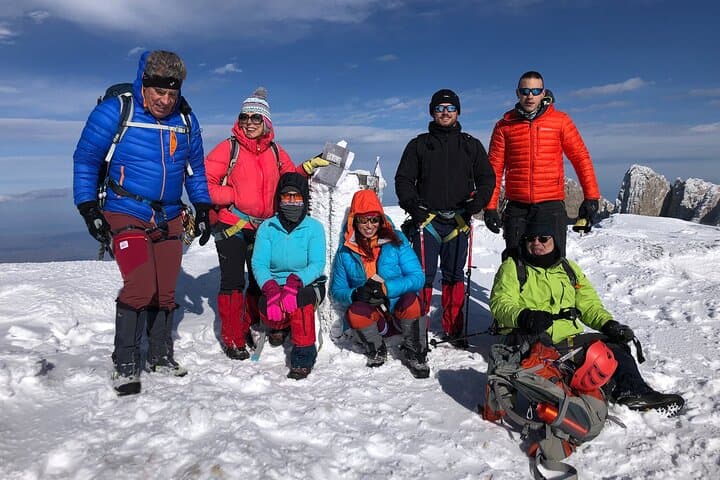
Private departures keep group sizes small—often one to six clients—allowing for a paced ascent and close guide support.
Operators typically cancel for extreme weather, high avalanche risk, or insufficient participants; confirm cancellation and refund policies before booking.
Mt. Olympus has deep mythic and human history; ancient Greeks regarded it as the home of the gods and the massif contains centuries-old shepherding routes and monastic trails.
The Olympus range lies within a national park with strict rules on camping and trail use; stick to established routes, pack out waste, and follow guide instructions to minimize impact.
TREKKING HELLAS operates guided outdoor trips and adventures with an emphasis on safety, stewardship, and memorable experiences.
You step out of the crisp alpine air at the KEOACH parking lot and the mountain greets you with an honest, white silence—wind pushing dusting snow across the road, the ridge of Skolio rising like a pale lip against the sky.
You step out of the crisp alpine air at the KEOACH parking lot and the mountain greets you with an honest, white silence—wind pushing dusting snow across the road, the ridge of Skolio rising like a pale lip against the sky.
Mt. Olympus is Greece’s highest massif, a range carved from Mesozoic limestone and shaped by glacial action; its slopes mix steep rocky ribs with broad alpine bowls. The route to Skolio (2,909 m) crosses the Vrysopoules ski lifts, climbs through an alpine zone near Migotzidis pass (≈2,400 m), and finishes on a ridge that exposes the summit’s skeleton of grey rock and snow. Local culture around Litochoro blends mountain shepherding, Orthodox monastic history, and coastal towns that have long supplied guides and mules for Olympus pilgrims.
Expect classic high-winter conditions: hard-packed snow, wind-scoured ridgelines, and sudden weather changes. The ascent is long and exposed in places; crampons and an ice axe are standard. The mountain’s character is direct—its ridges dare you forward and its gullies funnel winter weather with intent.
Practical guidance: start early to use firmer snow, move steadily to manage altitude and cold, and travel with a certified guide if you lack winter-mountaineering experience. Carry layered clothing, extra food, and navigation tools. Group sizes are small on private departures, but always confirm evacuation and weather policies before booking.