THE ADVENTURE COLLECTIVE® · Independent discovery and booking for outdoor travel

Spend six days in Central Mongolia’s winter silence: heated glamping tents, frozen waterfalls, hot springs and nomadic hospitality. This trip pairs dramatic winter landscapes with cultural stops at Kharkhorin and Erdene Zuu for a compact, photography-focused adventure.
Spend six days in Central Mongolia’s winter silence: heated glamping tents, frozen waterfalls, hot springs and nomadic hospitality. This trip pairs dramatic winter landscapes with cultural stops at Kharkhorin and Erdene Zuu for a compact, photography-focused adventure.
Snow presses down across open steppe and the light goes thin and blue; a row of canvas domes throws warm light onto a field of tracks made by horses and herders. In winter, Central Mongolia simplifies—sky, stone, and silence—so a glamping tent with a wood stove becomes both refuge and vantage point for auroras, steam, and thawing springs.
Verified experiences and guided adventures in the surrounding area.
Operated by Nomaad travel · Kharkhorin, Arkhangai Province
Snow presses down across open steppe and the light goes thin and blue; a row of canvas domes throws warm light onto a field of tracks made by horses and herders. In winter, Central Mongolia simplifies—sky, stone, and silence—so a glamping tent with a wood stove becomes both refuge and vantage point for auroras, steam, and thawing springs.
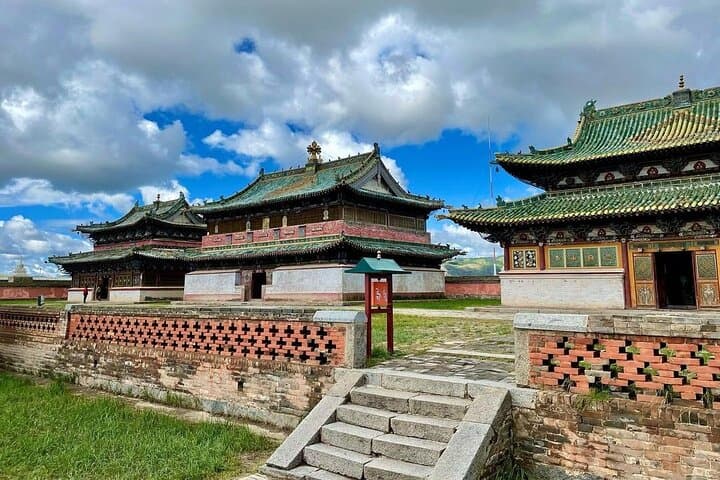
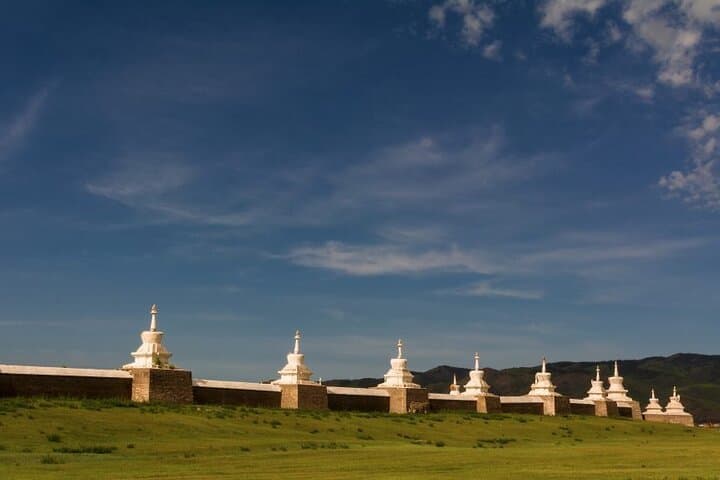
This six-day route threads through Khugnu Khan’s granite ribs, the frozen spill of the Orkhon River, and the low-rolling valleys once crossed by caravans to the ancient capital at Kharkhorin. The Orkhon Valley is UNESCO-recognized for its archaeological layers: Bronze Age camps, the 13th-century Karakorum footprint and Erdene Zuu monastery, each a reminder of nomadic continuity across a geologically young steppe shaped by uplift and river incision.
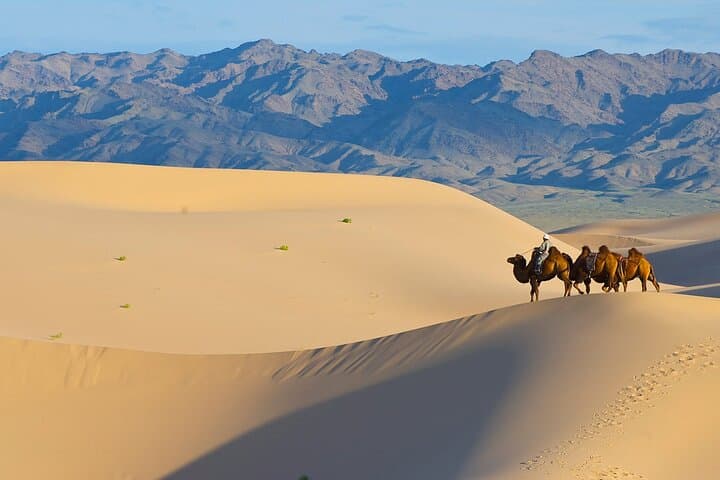
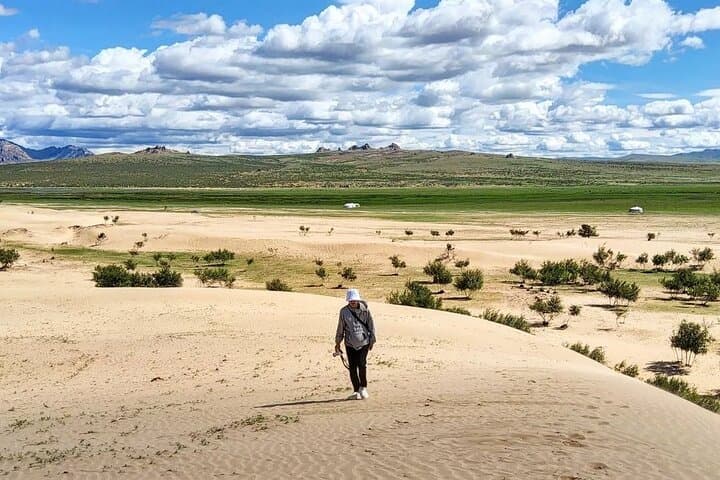
Culturally, expect close encounters with nomadic families—shared tea, dairy snacks, and ger hospitality—and landscapes that respond to wind like a living surface. Photographers chase hard light and iced waterfalls; hikers find compact trails among granite outcrops and soft, snow-plastered dunes at Elsen Tasarkhai.
Practically: the trip involves several multi-hour drives on unpaved roads from Ulaanbaatar, modest day hikes on uneven terrain, and heated winter tents supplied with bedding and hot meals by a chef. Carry layered insulating clothing, waterproof boots, spare batteries, and cash for small purchases. Hydrate steadily—the cold masks exertion—and plan daylight travel for safer road conditions. Respect local customs around nomadic camps: ask before photographing people and minimize campfire impact. For adventurous travelers seeking quiet, cold-weather clarity and cultural depth, Central Mongolia in winter is a rare, structured way in.
moderate.
6 days (approx.).
You should have a moderate level of fitness—able to manage short hikes on uneven, potentially snow-covered terrain and tolerate several hours in a vehicle each day.
Winter temperatures commonly drop well below freezing—daytime may hover around -5°C to -20°C depending on conditions—so expect significant cold and dress accordingly.
Glamping tents include heating (wood or gas stoves) and warm bedding; facilities vary by camp—some use shared sanitary blocks, while tourist camps near hot springs have indoor plumbing.
Yes; the tour accepts individual bookings and offers shared-group departures, but notify operators if you prefer private arrangements or have special dietary needs.
Typical inclusions are private ground transport during the tour, most meals as listed, glamping or tourist-camp accommodations, park admissions, and local guiding; check the booking page for exact inclusions and exclusions.
The Orkhon Valley holds archaeological sites tracing nomadic empires; Kharkhorin (Karakorum) served as a medieval capital and Erdene Zuu marks early Buddhist influence in Mongolia.
Winter tourism concentrates impacts—stay on durable surfaces, pack out waste, and follow guides’ instructions to protect fragile winter pasture and respect nomadic livelihoods.
Nomaad travel operates guided outdoor trips and adventures with an emphasis on safety, stewardship, and memorable experiences.
Snow presses down across open steppe and the light goes thin and blue; a row of canvas domes throws warm light onto a field of tracks made by horses and herders. In winter, Central Mongolia simplifies—sky, stone, and silence—so a glamping tent with a wood stove becomes both refuge and vantage point for auroras, steam, and thawing springs.
Snow presses down across open steppe and the light goes thin and blue; a row of canvas domes throws warm light onto a field of tracks made by horses and herders. In winter, Central Mongolia simplifies—sky, stone, and silence—so a glamping tent with a wood stove becomes both refuge and vantage point for auroras, steam, and thawing springs.
This six-day route threads through Khugnu Khan’s granite ribs, the frozen spill of the Orkhon River, and the low-rolling valleys once crossed by caravans to the ancient capital at Kharkhorin. The Orkhon Valley is UNESCO-recognized for its archaeological layers: Bronze Age camps, the 13th-century Karakorum footprint and Erdene Zuu monastery, each a reminder of nomadic continuity across a geologically young steppe shaped by uplift and river incision.
Culturally, expect close encounters with nomadic families—shared tea, dairy snacks, and ger hospitality—and landscapes that respond to wind like a living surface. Photographers chase hard light and iced waterfalls; hikers find compact trails among granite outcrops and soft, snow-plastered dunes at Elsen Tasarkhai.
Practically: the trip involves several multi-hour drives on unpaved roads from Ulaanbaatar, modest day hikes on uneven terrain, and heated winter tents supplied with bedding and hot meals by a chef. Carry layered insulating clothing, waterproof boots, spare batteries, and cash for small purchases. Hydrate steadily—the cold masks exertion—and plan daylight travel for safer road conditions. Respect local customs around nomadic camps: ask before photographing people and minimize campfire impact. For adventurous travelers seeking quiet, cold-weather clarity and cultural depth, Central Mongolia in winter is a rare, structured way in.