THE ADVENTURE COLLECTIVE® · Independent discovery and booking for outdoor travel

Leave Seattle behind for a day of old-growth forest, mineral springs and deliberate winter walking at Longmire, Mount Rainier. This guided day tour includes transport, park entry, snacks, and snowshoe instruction if conditions require.
Leave Seattle behind for a day of old-growth forest, mineral springs and deliberate winter walking at Longmire, Mount Rainier. This guided day tour includes transport, park entry, snacks, and snowshoe instruction if conditions require.
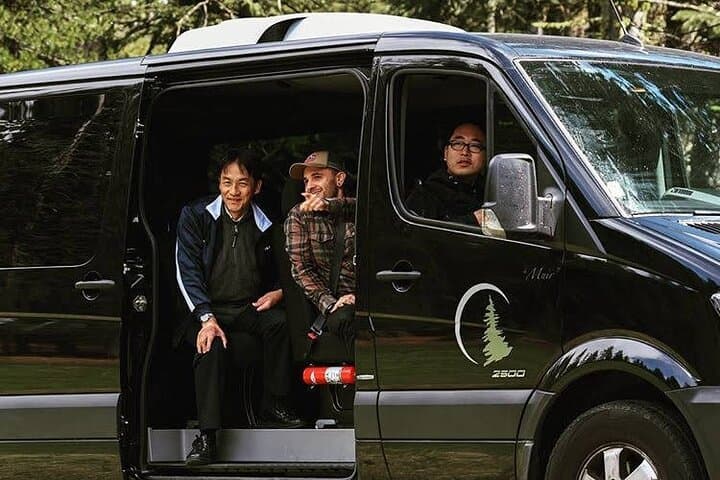
Steam from a thermos fogs the windows as the van eases out of downtown Seattle and the cityscape gives way to fir-lined highways. Two hours later, the world has shrunk to white and green: Mount Rainier rising like a slow-moving weather system, and Longmire, at roughly 2,700 feet, tucked at the mountain’s lower slopes. The van door opens to a forest so quiet the snow seems to hold its breath; a guide hands you a paper cup of local coffee and points to the trailhead.
Verified experiences and guided adventures in the surrounding area.
Operated by Evergreen Escapes Seattle · Ashford, Washington
Steam from a thermos fogs the windows as the van eases out of downtown Seattle and the cityscape gives way to fir-lined highways. Two hours later, the world has shrunk to white and green: Mount Rainier rising like a slow-moving weather system, and Longmire, at roughly 2,700 feet, tucked at the mountain’s lower slopes. The van door opens to a forest so quiet the snow seems to hold its breath; a guide hands you a paper cup of local coffee and points to the trailhead.
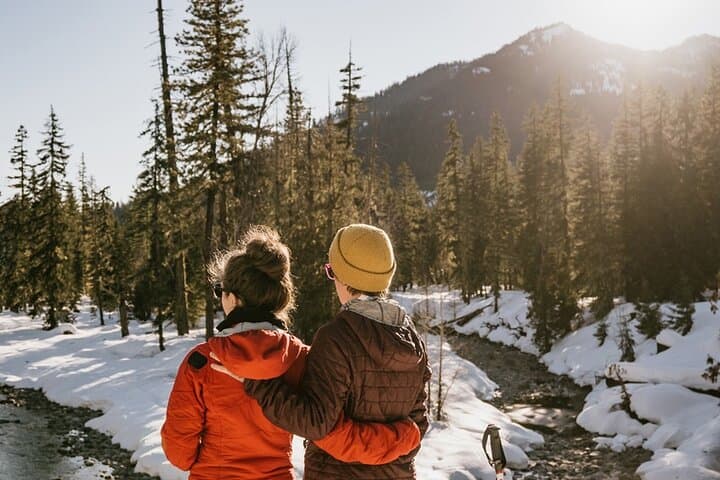
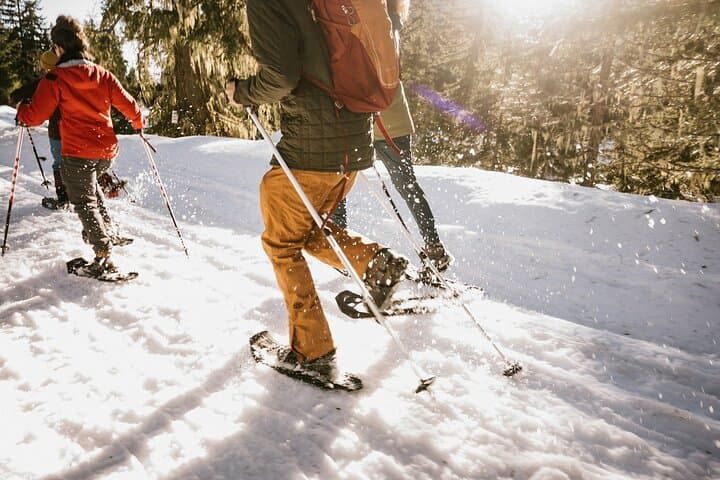
Longmire’s winter personality is plain and tactile — old-growth Douglas fir and western hemlock bending under snow, bubbling mineral springs whispering through the frost, and trails that invite deliberate, unhurried steps. The tour centers on short interpretive walks: the Trail of the Shadows (about 0.7 miles, minimal elevation gain) and the Twin Firs loop (roughly 0.5 miles). Both paths are accessible but become soft, packed, or brushed with fresh powder in winter. If conditions demand, guides fit guests with snowshoes and deliver a concise lesson on posture, kick-stepping, and safe routes off the planks.
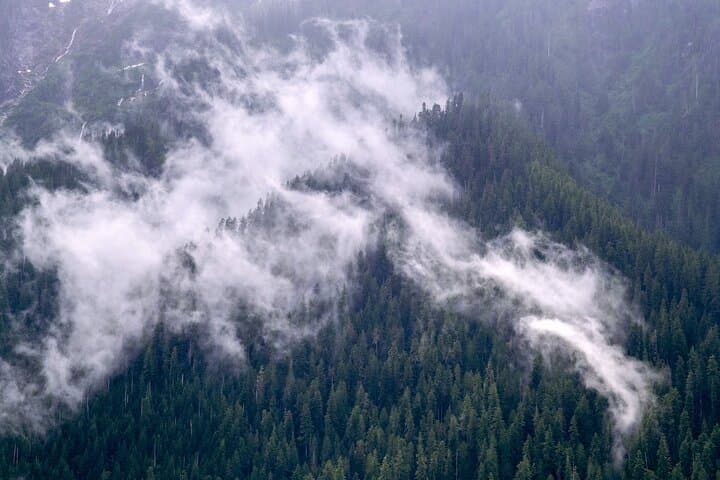
Geology and history live close together here. Mount Rainier is a stratovolcano, sculpted by glaciers that still carve its flanks; the Nisqually River that threads the valley below carries those sediments toward Puget Sound. Longmire itself owes its name to James Longmire, who in the 1880s developed the mineral springs and built one of the earliest visitor accommodations — a reminder that people have been drawn to Rainier’s landscapes long before highways and guide services.
Culturally, the area sits on land that the Nisqually and other Coast Salish peoples have stewarded for millennia; park interpretive displays and the historic museum at Longmire outline that connection. Guides on this tour combine natural history with practical safety: trail conditions, avalanche awareness for higher routes, and Leave No Trace practices to limit impact on fragile winter meadows.
Practicalities matter here. The full experience is about 8–9 hours from pickup to drop-off, with roughly 4 hours in the park for walks, a picnic lunch, and visitor center time. Dress in layers, bring waterproof boots with good tread, and expect temperatures well below Seattle’s — often below freezing. The operator provides bottled water, snacks, a hot outdoor lunch when weather permits, and park entry. Kids under 10 aren’t permitted; groups are small, up to 10.
For travelers based in Seattle, this day tour compresses the logistics — transport, entrance, and local knowledge — so you can focus on moving slowly through the snow and listening to a place that has been shaping people’s winters for over a century.
moderate.
8–9 hours.
Comfortable with several hours of walking on snow-covered, sometimes uneven surfaces; basic stamina for short climbs.
Pickup and return to downtown Seattle is included; expect about 2–2.5 hours each way depending on road conditions.
Snowshoeing is optional and provided when snow depth makes it necessary; guides give an intro lesson before heading out.
Yes — the Longmire Visitor Center and park facilities are open in winter when staffed; guides schedule restroom stops during the day.
All travelers must be at least 10 years old. The pace is family-friendly but requires comfort walking in snow.
The operator may cancel for safety (refund if canceled at least 24 hours prior) or alter the itinerary; they monitor conditions closely.
Yes — if you prefer to drive, you can meet at the default pickup location in Seattle; confirm parking details with the supplier ahead of time.
Longmire developed in the 1880s around mineral springs; the area later became a key visitor hub after Mount Rainier National Park was established in 1899.
Winter use concentrates visitors on durable trails—stay on compacted routes and avoid fragile meadows; the park enforces leave-no-trace and seasonal road protections.
Evergreen Escapes Seattle operates guided outdoor trips and adventures with an emphasis on safety, stewardship, and memorable experiences.
Steam from a thermos fogs the windows as the van eases out of downtown Seattle and the cityscape gives way to fir-lined highways. Two hours later, the world has shrunk to white and green: Mount Rainier rising like a slow-moving weather system, and Longmire, at roughly 2,700 feet, tucked at the mountain’s lower slopes. The van door opens to a forest so quiet the snow seems to hold its breath; a guide hands you a paper cup of local coffee and points to the trailhead.
Steam from a thermos fogs the windows as the van eases out of downtown Seattle and the cityscape gives way to fir-lined highways. Two hours later, the world has shrunk to white and green: Mount Rainier rising like a slow-moving weather system, and Longmire, at roughly 2,700 feet, tucked at the mountain’s lower slopes. The van door opens to a forest so quiet the snow seems to hold its breath; a guide hands you a paper cup of local coffee and points to the trailhead.
Longmire’s winter personality is plain and tactile — old-growth Douglas fir and western hemlock bending under snow, bubbling mineral springs whispering through the frost, and trails that invite deliberate, unhurried steps. The tour centers on short interpretive walks: the Trail of the Shadows (about 0.7 miles, minimal elevation gain) and the Twin Firs loop (roughly 0.5 miles). Both paths are accessible but become soft, packed, or brushed with fresh powder in winter. If conditions demand, guides fit guests with snowshoes and deliver a concise lesson on posture, kick-stepping, and safe routes off the planks.
Geology and history live close together here. Mount Rainier is a stratovolcano, sculpted by glaciers that still carve its flanks; the Nisqually River that threads the valley below carries those sediments toward Puget Sound. Longmire itself owes its name to James Longmire, who in the 1880s developed the mineral springs and built one of the earliest visitor accommodations — a reminder that people have been drawn to Rainier’s landscapes long before highways and guide services.
Culturally, the area sits on land that the Nisqually and other Coast Salish peoples have stewarded for millennia; park interpretive displays and the historic museum at Longmire outline that connection. Guides on this tour combine natural history with practical safety: trail conditions, avalanche awareness for higher routes, and Leave No Trace practices to limit impact on fragile winter meadows.
Practicalities matter here. The full experience is about 8–9 hours from pickup to drop-off, with roughly 4 hours in the park for walks, a picnic lunch, and visitor center time. Dress in layers, bring waterproof boots with good tread, and expect temperatures well below Seattle’s — often below freezing. The operator provides bottled water, snacks, a hot outdoor lunch when weather permits, and park entry. Kids under 10 aren’t permitted; groups are small, up to 10.
For travelers based in Seattle, this day tour compresses the logistics — transport, entrance, and local knowledge — so you can focus on moving slowly through the snow and listening to a place that has been shaping people’s winters for over a century.