THE ADVENTURE COLLECTIVE® · Independent discovery and booking for outdoor travel

Walk along an icy Hokkaido shoreline with a guide, spot animal tracks and river ice sculptures, and enjoy a hot picnic on this half-day snowshoeing tour from Sapporo.
Walk along an icy Hokkaido shoreline with a guide, spot animal tracks and river ice sculptures, and enjoy a hot picnic on this half-day snowshoeing tour from Sapporo.
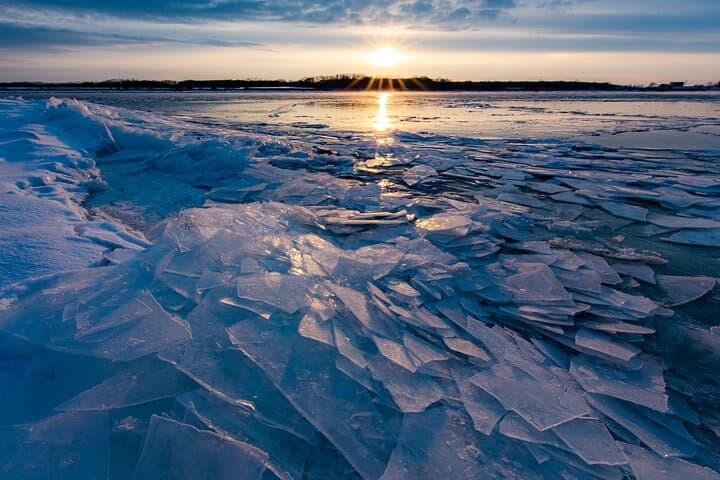
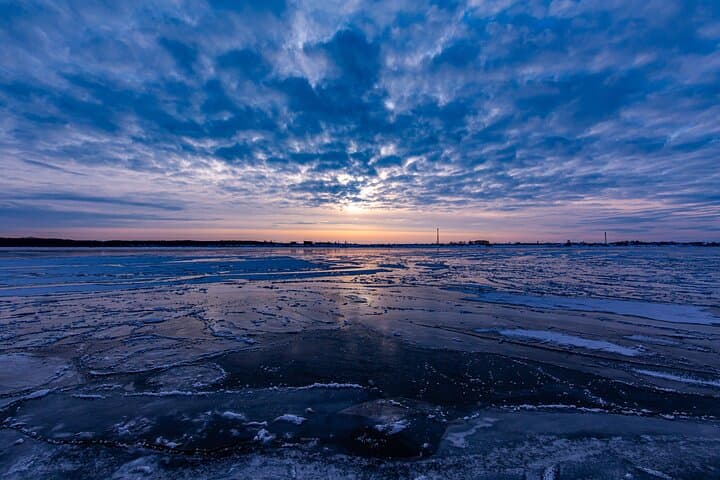
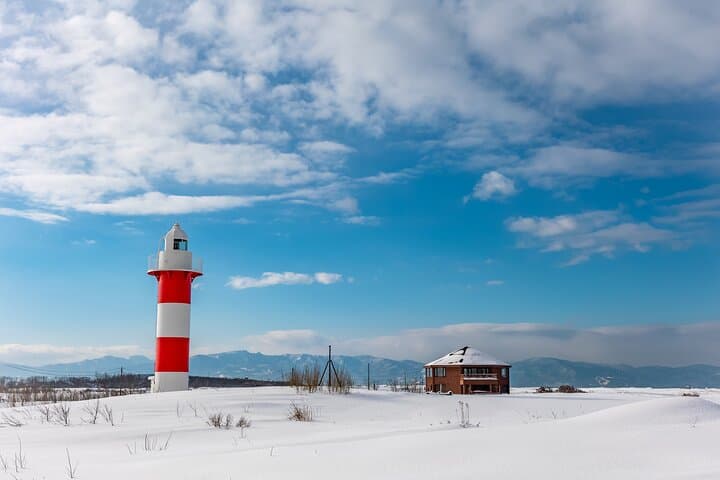
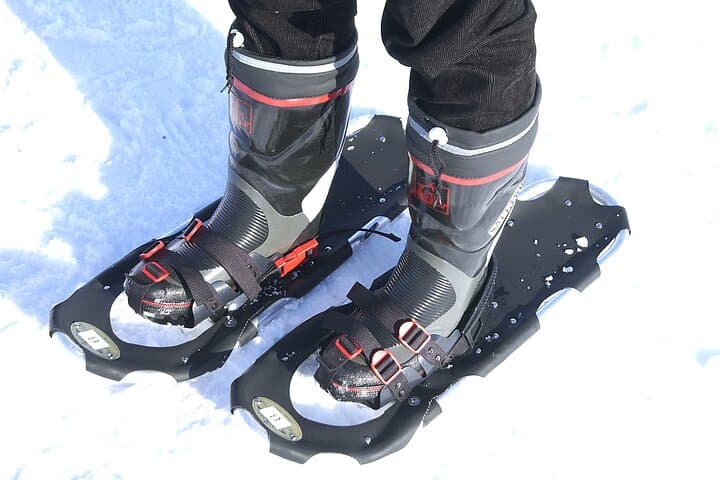
The wind off the Sea of Japan cuts through layers as you step from the van onto a wide, wind-scoured shore. Snow hushes the beach; the gulls wheel and the ice along the river mouth stacks into sharp, sculpted plates that seem to dare you closer. A guide straps snowshoes on your boots, points to animal tracks skirting the driftwood, and you start along a slow, deliberate line between beach and frozen tide.
Verified experiences and guided adventures in the surrounding area.
Operated by Go Hokkaido · Ishikari, Hokkaido
The wind off the Sea of Japan cuts through layers as you step from the van onto a wide, wind-scoured shore. Snow hushes the beach; the gulls wheel and the ice along the river mouth stacks into sharp, sculpted plates that seem to dare you closer. A guide straps snowshoes on your boots, points to animal tracks skirting the driftwood, and you start along a slow, deliberate line between beach and frozen tide.
This stretch of Hokkaido coastline has been shaped by volcanic sediments and the seasonal punch of cold currents — the Ishikari Plain collects river silt that meets winter seas to form the broad, low-lying beaches you cross. Local fishing villages have long read the shore for safe passages and winter foraging, and modern Sapporo residents travel the short route north to experience this exposed, elemental side of Hokkaido.
Expect two one-hour guided snowshoe segments separated by a sheltered picnic where the group warms with soup and sandwiches. The terrain is compacted snow over sand and occasional icy plates; elevation is negligible but wind and cold make conditions feel tougher than distance alone suggests.
Practical tips: dress in layered, waterproof outerwear and a warm hat, bring high-energy snacks and an insulated bottle, and plan for transport time to and from Sapporo. Guides monitor weather closely — tours can be canceled in severe conditions. For photographers, low-angle winter light highlights ice formations mid-morning; aim to be moving by then. This trip suits anyone with moderate fitness who can walk on uneven, icy surfaces and wants an accessible, coastal winter day immersed in Hokkaido’s raw shoreline.
moderate.
3–5 hours (including transport).
Moderate fitness: able to walk 2 hours on uneven, icy terrain and handle cold exposure.
Pickup is provided from central Sapporo hotels; confirm your exact pickup point when booking.
Coastal wind can drop the felt temperature well below freezing—wear waterproof outerwear, insulating layers, warm hat, and gloves.
No — guides give basic instruction and the route is suitable for beginners with moderate fitness.
Yes — tours may be canceled for severe weather or unsafe coastal conditions; full refunds are available if canceled 24+ hours prior.
The Ishikari coast has long been a seasonal fishing and trade area; its flat plains were shaped by river silt deposits and winter sea action that local communities learned to read for navigation and harvest.
Stay on guide-designated routes to avoid disturbing wintering shorebirds and fragile ice formations; pack out all trash and minimize footprints to preserve dune vegetation.
Go Hokkaido operates guided outdoor trips and adventures with an emphasis on safety, stewardship, and memorable experiences.
The wind off the Sea of Japan cuts through layers as you step from the van onto a wide, wind-scoured shore. Snow hushes the beach; the gulls wheel and the ice along the river mouth stacks into sharp, sculpted plates that seem to dare you closer. A guide straps snowshoes on your boots, points to animal tracks skirting the driftwood, and you start along a slow, deliberate line between beach and frozen tide.
The wind off the Sea of Japan cuts through layers as you step from the van onto a wide, wind-scoured shore. Snow hushes the beach; the gulls wheel and the ice along the river mouth stacks into sharp, sculpted plates that seem to dare you closer. A guide straps snowshoes on your boots, points to animal tracks skirting the driftwood, and you start along a slow, deliberate line between beach and frozen tide.
This stretch of Hokkaido coastline has been shaped by volcanic sediments and the seasonal punch of cold currents — the Ishikari Plain collects river silt that meets winter seas to form the broad, low-lying beaches you cross. Local fishing villages have long read the shore for safe passages and winter foraging, and modern Sapporo residents travel the short route north to experience this exposed, elemental side of Hokkaido.
Expect two one-hour guided snowshoe segments separated by a sheltered picnic where the group warms with soup and sandwiches. The terrain is compacted snow over sand and occasional icy plates; elevation is negligible but wind and cold make conditions feel tougher than distance alone suggests.
Practical tips: dress in layered, waterproof outerwear and a warm hat, bring high-energy snacks and an insulated bottle, and plan for transport time to and from Sapporo. Guides monitor weather closely — tours can be canceled in severe conditions. For photographers, low-angle winter light highlights ice formations mid-morning; aim to be moving by then. This trip suits anyone with moderate fitness who can walk on uneven, icy surfaces and wants an accessible, coastal winter day immersed in Hokkaido’s raw shoreline.