THE ADVENTURE COLLECTIVE® · Independent discovery and booking for outdoor travel

Spend a winter day in Chianti with small-group cellar visits, organic vineyards and a fireside Tuscan lunch. Learn the production secrets behind Chianti Classico and Super Tuscan wines while exploring Greve and Montefioralle.
Spend a winter day in Chianti with small-group cellar visits, organic vineyards and a fireside Tuscan lunch. Learn the production secrets behind Chianti Classico and Super Tuscan wines while exploring Greve and Montefioralle.
The tour starts with fog sliding down the Chianti ridgelines and a low light that softens the vineyards — a slow, intimate morning where stone walls hold heat from the last day's sun and fireplaces punctuate farmhouse kitchens.
Verified experiences and guided adventures in the surrounding area.
Operated by Happy in Tuscany · Greve in Chianti, Tuscany
The tour starts with fog sliding down the Chianti ridgelines and a low light that softens the vineyards — a slow, intimate morning where stone walls hold heat from the last day's sun and fireplaces punctuate farmhouse kitchens.
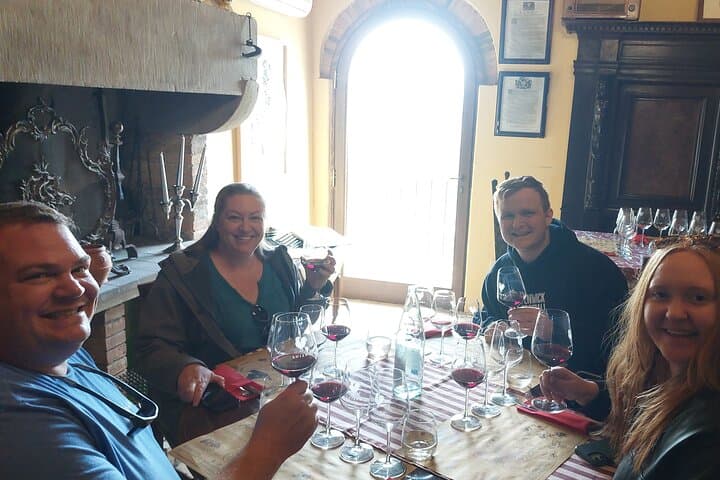
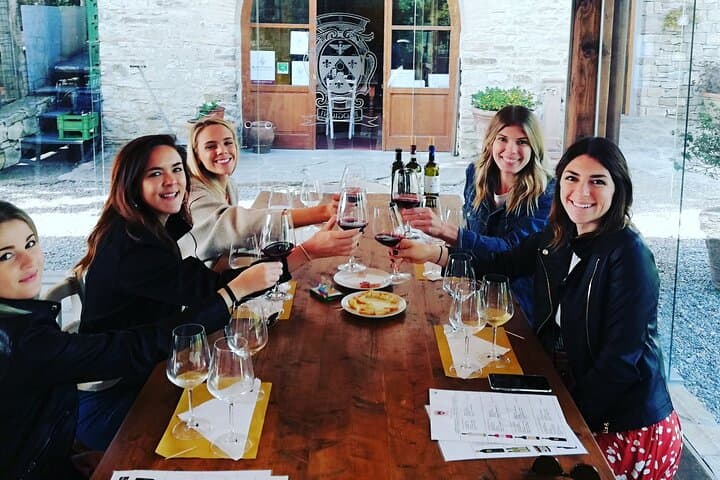
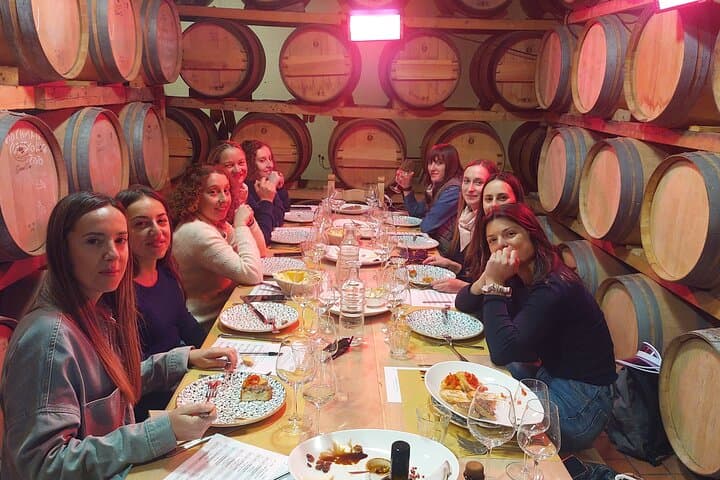
You walk between vine rows toward the Luiano Panoramic Swing, a quick, theatrical photo stop, then descend into cool cellars carved into villa foundations. Here producers explain barrel aging, barriques and the quiet months after harvest. The itinerary mixes sensory details — toasted oak, earthy tannins, Tuscan salumi — with hands-on explanations of organic and low-yield practices that shape Chianti Classico DOCG and Super Tuscan IGT.
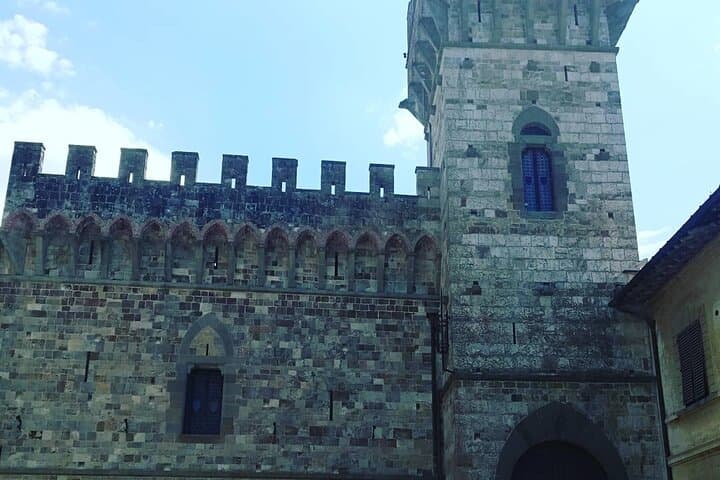
History is close at hand: Greve’s triangular Piazza Matteotti recalls medieval trade routes and market life, while the almond-shaped village of Montefioralle preserves concentric alleys and viewpoints that once watched over families whose names echo in exploration lore.
Expect practical, small-group pacing: the shared tour runs about 6–7 hours with a maximum of six travelers, several short walks on gravel and cobbles, cellar visits, and a seated Tuscan lunch paired with regional wines. Wear grippy shoes and layers, bring ID for tastings, and plan transport—tours commonly depart from Florence with public transit nearby if you prefer independent arrival.
This is winter Chianti: fewer crowds, active producers, intimate explanations, and a chance to taste the quiet work that shapes great wine.
easy.
6–7 hours.
Suitable for travelers in average physical condition; involves several short walks, standing during tastings and steps in cellars.
The experience lasts about 6–7 hours and includes several short walks through vineyards, on gravel tracks and up cobbled village streets; expect moderate standing during tastings.
Yes — guided tastings include Chianti Classico DOCG (including Riserva/Gran Selezione) and a Super Tuscan IGT, paired with local food.
Yes — winter offers fewer tourists, active cellar work after harvest and intimate access to producers; dress warmly and check weather-related cancellations.
Yes — the tour requests dietary needs at booking; hosts typically accommodate common restrictions but confirm when you reserve.
Greve functioned as a medieval market hub on Chianti trade routes, while Montefioralle preserves an almond-shaped castle layout and ties to families linked to early explorers.
Local wineries emphasize organic and low-yield viticulture to protect soil health and grape quality; visitors are encouraged to stay on paths and minimize waste to protect fragile hilltop ecosystems.
Happy in Tuscany operates guided outdoor trips and adventures with an emphasis on safety, stewardship, and memorable experiences.
The tour starts with fog sliding down the Chianti ridgelines and a low light that softens the vineyards — a slow, intimate morning where stone walls hold heat from the last day's sun and fireplaces punctuate farmhouse kitchens.
The tour starts with fog sliding down the Chianti ridgelines and a low light that softens the vineyards — a slow, intimate morning where stone walls hold heat from the last day's sun and fireplaces punctuate farmhouse kitchens.
You walk between vine rows toward the Luiano Panoramic Swing, a quick, theatrical photo stop, then descend into cool cellars carved into villa foundations. Here producers explain barrel aging, barriques and the quiet months after harvest. The itinerary mixes sensory details — toasted oak, earthy tannins, Tuscan salumi — with hands-on explanations of organic and low-yield practices that shape Chianti Classico DOCG and Super Tuscan IGT.
History is close at hand: Greve’s triangular Piazza Matteotti recalls medieval trade routes and market life, while the almond-shaped village of Montefioralle preserves concentric alleys and viewpoints that once watched over families whose names echo in exploration lore.
Expect practical, small-group pacing: the shared tour runs about 6–7 hours with a maximum of six travelers, several short walks on gravel and cobbles, cellar visits, and a seated Tuscan lunch paired with regional wines. Wear grippy shoes and layers, bring ID for tastings, and plan transport—tours commonly depart from Florence with public transit nearby if you prefer independent arrival.
This is winter Chianti: fewer crowds, active producers, intimate explanations, and a chance to taste the quiet work that shapes great wine.