THE ADVENTURE COLLECTIVE® · Independent discovery and booking for outdoor travel

Walk snow-crusted trails near Sukayu Onsen while sampling preserved local bites and learning how Aomori’s communities thrive through the long winter. This short snowshoe experience blends easy terrain with cultural storytelling.
Walk snow-crusted trails near Sukayu Onsen while sampling preserved local bites and learning how Aomori’s communities thrive through the long winter. This short snowshoe experience blends easy terrain with cultural storytelling.
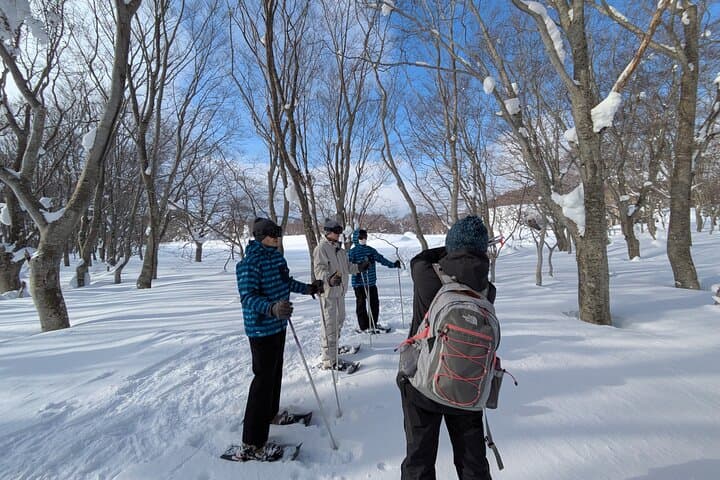
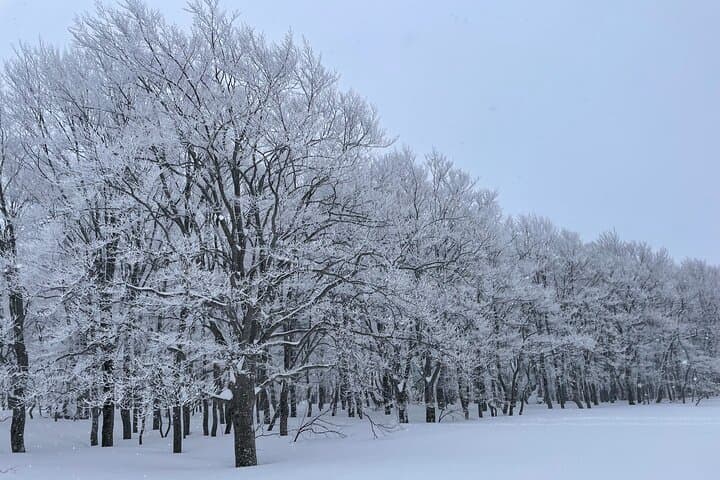
The forest holds its breath under deep, slow snow; you step into a world where each footfall pops and the air tastes of pine and preserved citrus. Beginning near Sukayu Onsen in the Hakkoda range, this two-hour snowshoe stroll threads through silent stands of conifer, pauses beside wind-sculpted drifts, and serves small warm bites that speak to generations of northern living.
Verified experiences and guided adventures in the surrounding area.
Operated by 4-Ride · Aomori, Aomori Prefecture
The forest holds its breath under deep, slow snow; you step into a world where each footfall pops and the air tastes of pine and preserved citrus. Beginning near Sukayu Onsen in the Hakkoda range, this two-hour snowshoe stroll threads through silent stands of conifer, pauses beside wind-sculpted drifts, and serves small warm bites that speak to generations of northern living.
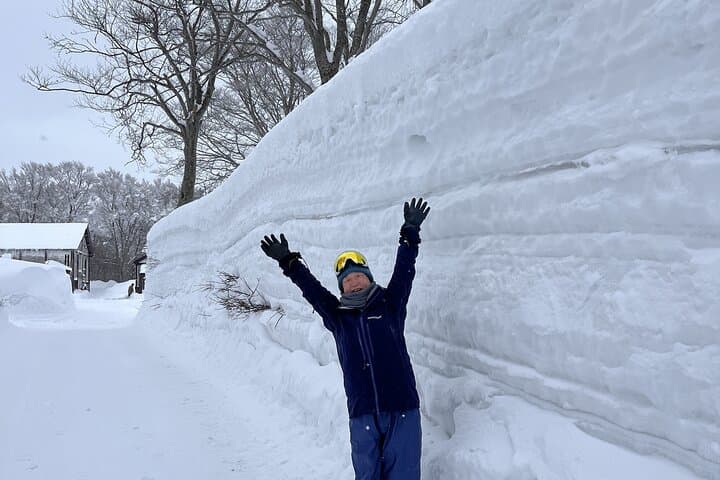
Geology here is recent—volcanic uplifts of the Ou Mountains created steep valleys that capture moisture from the Sea of Japan and the Pacific, making this one of the snowiest places on Earth. Culturally, Aomori’s winter culture grew from necessity: preserved foods, layered clothing, and communal hot springs. Your guide will point out signs of human adaptation—a raised footbridge, a cleared path—and explain how locals historically turned heavy snow into advantage for storage and insulation.
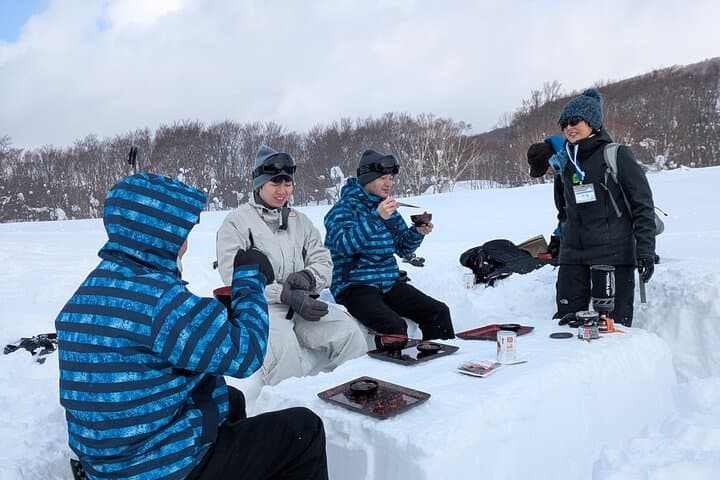
The walk is practical: short stretches on packed trails with minimal elevation gain, interspersed with stops to sample preserved fish, pickled vegetables, and warm drinks while learning about foraging and sustainable winter practices. Expect cold, dry air and the muffled urgency of snow pressing on branches; the trees themselves seem to test your resilience as you move through.
Practical guidance: wear insulated, waterproof boots and a breathable midlayer; poles and snowshoes are provided. Start mid-morning for the best light and plan for limited mobile signal. This outing is ideal for first-time snowshoers who want a cultural window into Aomori’s winter life—compact, sensory, and rooted in place.
easy.
2 hours.
Suitable for people with basic mobility and light aerobic fitness; able to walk on packed snow for short stretches.
Yes—snowshoes and poles are included in the tour price and fitted by the guide.
Yes—the route is gentle and short, designed for first-time snowshoers and most fitness levels.
No—this particular experience cannot accommodate food allergies or special dietary needs, so do not book if you require accommodations.
Public transport options exist but are limited; most travelers reach Sukayu by local bus or car from Aomori city (allow 1–2 hours depending on route and winter conditions).
Hakkoda’s deep snows shaped local life for centuries—communities developed preservation techniques and communal hot-spring culture to endure long winters.
Stay on designated trails and avoid disturbing vegetation; deep snowpack preserves fragile alpine plants, so minimize off-trail travel and pack out waste.
4-Ride operates guided outdoor trips and adventures with an emphasis on safety, stewardship, and memorable experiences.
The forest holds its breath under deep, slow snow; you step into a world where each footfall pops and the air tastes of pine and preserved citrus. Beginning near Sukayu Onsen in the Hakkoda range, this two-hour snowshoe stroll threads through silent stands of conifer, pauses beside wind-sculpted drifts, and serves small warm bites that speak to generations of northern living.
The forest holds its breath under deep, slow snow; you step into a world where each footfall pops and the air tastes of pine and preserved citrus. Beginning near Sukayu Onsen in the Hakkoda range, this two-hour snowshoe stroll threads through silent stands of conifer, pauses beside wind-sculpted drifts, and serves small warm bites that speak to generations of northern living.
Geology here is recent—volcanic uplifts of the Ou Mountains created steep valleys that capture moisture from the Sea of Japan and the Pacific, making this one of the snowiest places on Earth. Culturally, Aomori’s winter culture grew from necessity: preserved foods, layered clothing, and communal hot springs. Your guide will point out signs of human adaptation—a raised footbridge, a cleared path—and explain how locals historically turned heavy snow into advantage for storage and insulation.
The walk is practical: short stretches on packed trails with minimal elevation gain, interspersed with stops to sample preserved fish, pickled vegetables, and warm drinks while learning about foraging and sustainable winter practices. Expect cold, dry air and the muffled urgency of snow pressing on branches; the trees themselves seem to test your resilience as you move through.
Practical guidance: wear insulated, waterproof boots and a breathable midlayer; poles and snowshoes are provided. Start mid-morning for the best light and plan for limited mobile signal. This outing is ideal for first-time snowshoers who want a cultural window into Aomori’s winter life—compact, sensory, and rooted in place.