THE ADVENTURE COLLECTIVE® · Independent discovery and booking for outdoor travel

Spend an immersive winter day searching Dobrudja’s marshes and steppe from Tulcea, targeting Red-breasted Goose and other wintering species. A private 8–10 hour trip uses a low-speed 4x4 itinerary with expert guiding and scopes to observe birds without disturbance.
Spend an immersive winter day searching Dobrudja’s marshes and steppe from Tulcea, targeting Red-breasted Goose and other wintering species. A private 8–10 hour trip uses a low-speed 4x4 itinerary with expert guiding and scopes to observe birds without disturbance.
Dawn breaks over flat brown fields and the first skeins of geese carve dark lines across a pale sky. You sit low in a 4x4 as the car eases along a rutted track; the guide stops, kills the engine and hands you binoculars. The landscape of Dobrudja unfolds—open steppe, grazing fields, reed-ringed marshes and shallow lakes where thousands of wintering waterfowl gather.
Verified experiences and guided adventures in the surrounding area.
Operated by Discover the Danube Delta · Tulcea, Tulcea County
Dawn breaks over flat brown fields and the first skeins of geese carve dark lines across a pale sky. You sit low in a 4x4 as the car eases along a rutted track; the guide stops, kills the engine and hands you binoculars. The landscape of Dobrudja unfolds—open steppe, grazing fields, reed-ringed marshes and shallow lakes where thousands of wintering waterfowl gather.
This strip of northeastern Romania sits between the Danube and the Black Sea and has long been a crossroads for migrating birds. Geology here is simple—wind-polished loess and clay plains—yet the mix of freshwater wetlands and open pasture makes it rich habitat for species that favor exposed feeding grounds. Local communities keep a tradition of low-intensity agriculture that helps sustain the flocks.
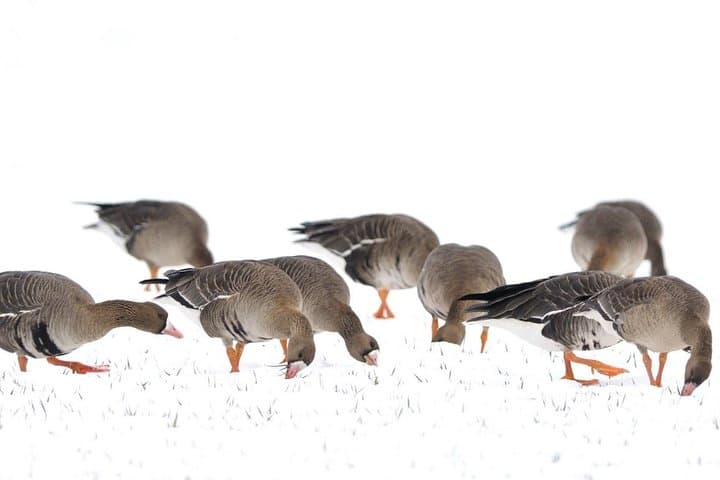
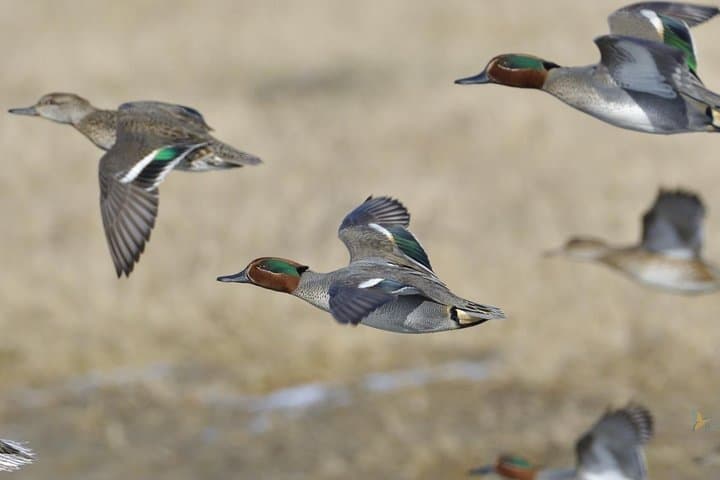
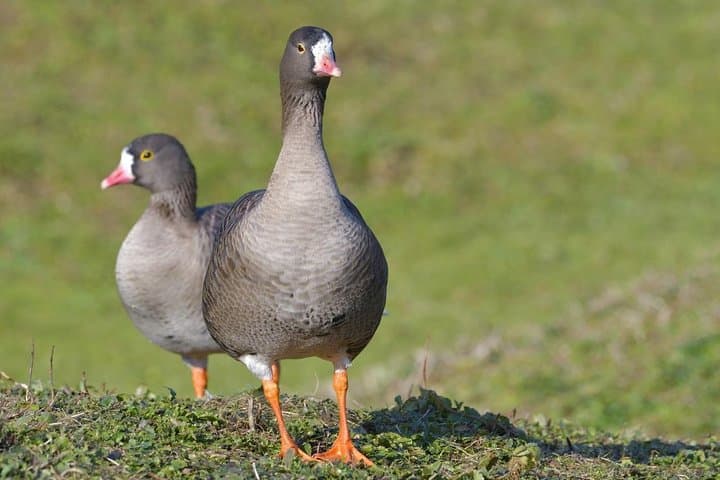
Expect a slow, search-focused day: the guide will drive at low speed, stopping to scan fields and scopes, targeting difficult species such as the Red-breasted Goose while also logging White-fronted Geese, ducks, raptors and passerines. The trip runs 8–10 hours, best started an hour before sunrise and continuing to sunset to catch peak feeding and roosting movements.
Practical notes: dress in warm, windproof layers and waterproof boots; bring a thermos and high-zoom optics or camera lens. The outing is private, suitable for anyone 12 and up, and aims to observe birds without disturbance. Weather can turn brisk—plan for long, patient periods of watching and quick, quiet stops where the landscape itself seems to decide when to reveal a rare flock.
easy.
8–10 hours.
Suitable for people in average physical condition; mainly long periods of standing and short walks on uneven ground.
The guide targets Red-breasted Goose as a difficult but possible target in winter; sightings aren’t guaranteed but the itinerary focuses on areas where they concentrate.
Minimum age is 12; the trip is private and physically undemanding, but long durations and early starts may be challenging for younger children.
The operator may cancel for severe weather; check the manual confirmation and note that this specific listing has an all-sales-final cancellation policy.
The guide typically brings a spotting scope and may share it; bringing personal binoculars is recommended for flexibility and hygiene.
Dobrudja’s flat plains have been shaped by centuries of pastoral agriculture and seasonal fishing, creating a mosaic of habitats used by migratory birds for generations.
Low-intensity farming and protected wetland areas support wintering populations; visitors should stick to vehicle tracks and follow guide directions to minimize disturbance.
Discover the Danube Delta operates guided outdoor trips and adventures with an emphasis on safety, stewardship, and memorable experiences.
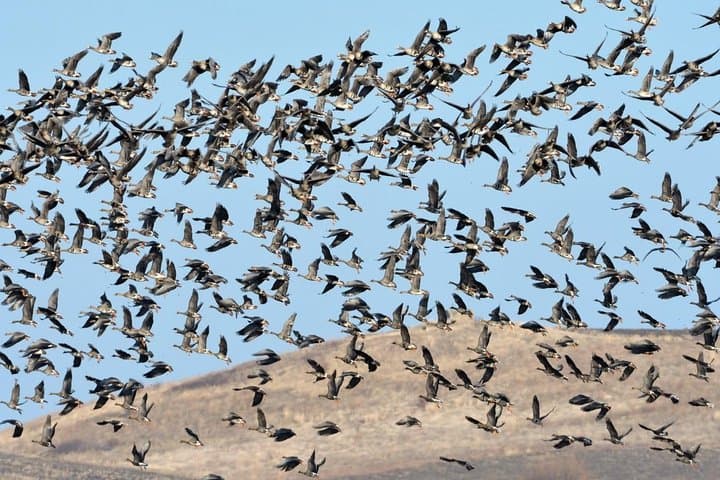
Dawn breaks over flat brown fields and the first skeins of geese carve dark lines across a pale sky. You sit low in a 4x4 as the car eases along a rutted track; the guide stops, kills the engine and hands you binoculars. The landscape of Dobrudja unfolds—open steppe, grazing fields, reed-ringed marshes and shallow lakes where thousands of wintering waterfowl gather.
Dawn breaks over flat brown fields and the first skeins of geese carve dark lines across a pale sky. You sit low in a 4x4 as the car eases along a rutted track; the guide stops, kills the engine and hands you binoculars. The landscape of Dobrudja unfolds—open steppe, grazing fields, reed-ringed marshes and shallow lakes where thousands of wintering waterfowl gather.
This strip of northeastern Romania sits between the Danube and the Black Sea and has long been a crossroads for migrating birds. Geology here is simple—wind-polished loess and clay plains—yet the mix of freshwater wetlands and open pasture makes it rich habitat for species that favor exposed feeding grounds. Local communities keep a tradition of low-intensity agriculture that helps sustain the flocks.
Expect a slow, search-focused day: the guide will drive at low speed, stopping to scan fields and scopes, targeting difficult species such as the Red-breasted Goose while also logging White-fronted Geese, ducks, raptors and passerines. The trip runs 8–10 hours, best started an hour before sunrise and continuing to sunset to catch peak feeding and roosting movements.
Practical notes: dress in warm, windproof layers and waterproof boots; bring a thermos and high-zoom optics or camera lens. The outing is private, suitable for anyone 12 and up, and aims to observe birds without disturbance. Weather can turn brisk—plan for long, patient periods of watching and quick, quiet stops where the landscape itself seems to decide when to reveal a rare flock.