THE ADVENTURE COLLECTIVE® · Independent discovery and booking for outdoor travel

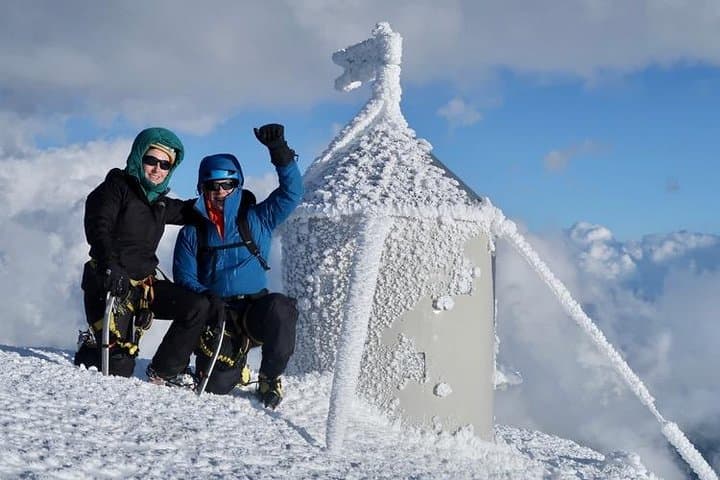
A guided winter ascent of Triglav follows Krma valley up to Kredarica hut and the summit at 2,864 m. Expect technical snow and ice, short daylight, and experienced guides managing rope teams and safety.
A guided winter ascent of Triglav follows Krma valley up to Kredarica hut and the summit at 2,864 m. Expect technical snow and ice, short daylight, and experienced guides managing rope teams and safety.
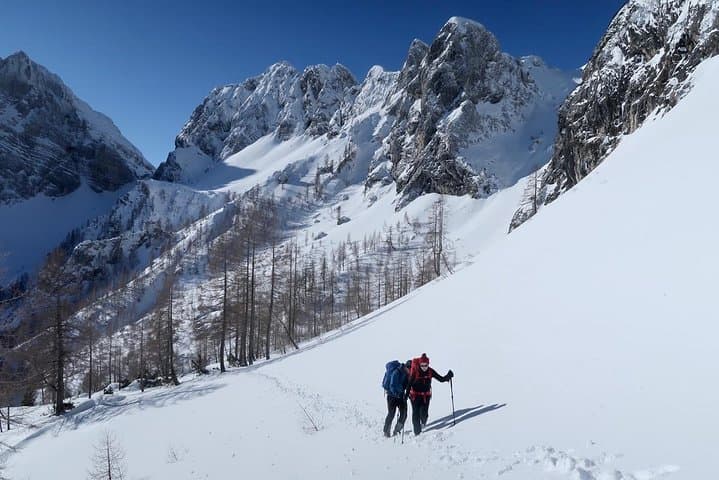
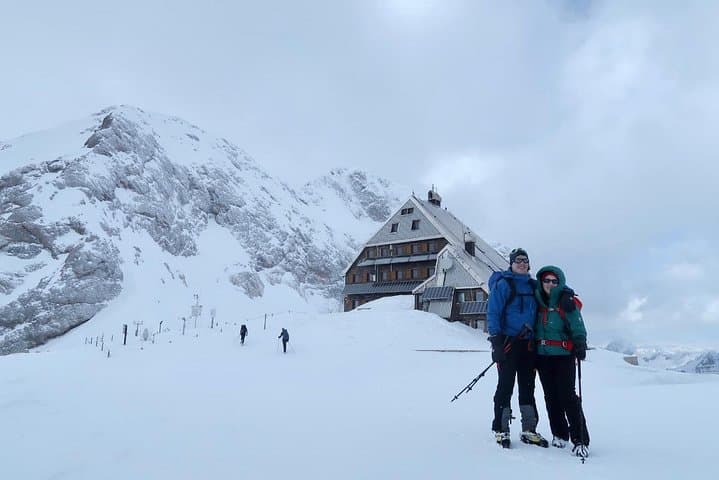
A grey dawn breaks over the Krma valley and the snowfields glitter like an argument of light and shadow. You step from the van with crampons in hand, the guides checking harnesses and ropes while the Kredarica hut perches above like a small, stubborn lighthouse. The ridge ahead is raw rock turned white; wind scours the path and the route narrows where exposure demands full attention.
Verified experiences and guided adventures in the surrounding area.
Operated by Kofler sport-sport agency · Mojstrana, Upper Carniola
A grey dawn breaks over the Krma valley and the snowfields glitter like an argument of light and shadow. You step from the van with crampons in hand, the guides checking harnesses and ropes while the Kredarica hut perches above like a small, stubborn lighthouse. The ridge ahead is raw rock turned white; wind scours the path and the route narrows where exposure demands full attention.
Triglav, the highest peak in Slovenia at 2,864 m, sits in the Julian Alps — limestone and dolomite folded and sculpted by ice and ancient seas. Its three-peaked outline gave rise to its name and to its role as a national symbol; generations have climbed its flanks and left small metal crosses at the summit. Kredarica hut doubles as a high mountain refuge and meteorological outpost, a practical waypoint on the classic ascent through Krma valley.
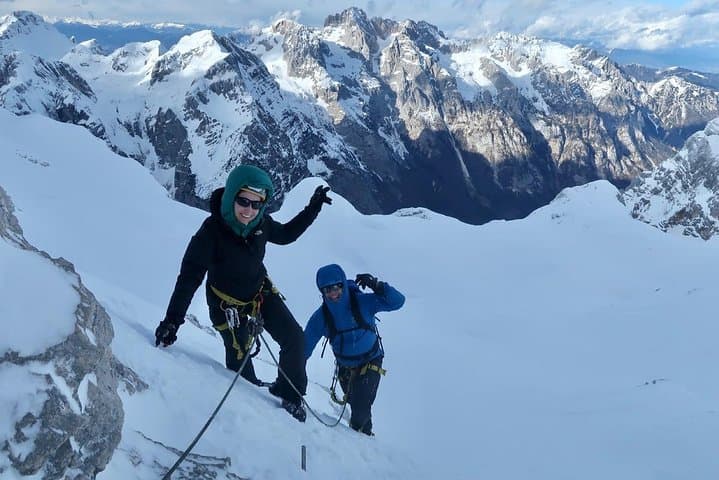
Expect steep snow slopes, mixed sections of rock and ice, and route-finding that hinges on weather and recent snowfall. In winter the climb becomes technical: crampons, ice axe and fixed-rope moves are common, and daylight is short. Guides from IMFGA-standard teams lead the rope parties, manage belays and make decisions about timing and safety.
Practical edge: start very early, layer for high-wind exposure, and carry spare gloves and headlamp. Hydrate despite the cold and be prepared to turn around — conditions change quickly. With trained guides and the right kit, the summit rewards you with raw panoramas across the Julian chain and the clean sting of high alpine air.
difficult.
2 days / 8–12 hours per day.
Good cardiovascular fitness and stamina for sustained uphill travel at altitude; comfortable with long days carrying a pack.
Participants should have prior experience with crampons and an ice axe or be honest about inexperience so guides can assess suitability; basic competence is expected for technical sections.
At 2,864 m most people do not require formal acclimatization, but you should be accustomed to sustained ascents and monitor for altitude symptoms.
Guides will delay, change route or abort the summit attempt for safety; refunds follow the operator's cancellation policy if the trip is called off for weather.
The two-day option includes a night at Kredarica hut; verify mattress/cabin arrangements and bring a sleeping liner as huts are basic and communal.
Triglav has been a cultural and national emblem in Slovenia for centuries; its summit cross and tales of first ascents are woven into local identity.
Triglav lies within Triglav National Park — follow Leave No Trace, stick to established routes and respect seasonal closures to protect fragile alpine vegetation.
Kofler sport-sport agency operates guided outdoor trips and adventures with an emphasis on safety, stewardship, and memorable experiences.
A grey dawn breaks over the Krma valley and the snowfields glitter like an argument of light and shadow. You step from the van with crampons in hand, the guides checking harnesses and ropes while the Kredarica hut perches above like a small, stubborn lighthouse. The ridge ahead is raw rock turned white; wind scours the path and the route narrows where exposure demands full attention.
A grey dawn breaks over the Krma valley and the snowfields glitter like an argument of light and shadow. You step from the van with crampons in hand, the guides checking harnesses and ropes while the Kredarica hut perches above like a small, stubborn lighthouse. The ridge ahead is raw rock turned white; wind scours the path and the route narrows where exposure demands full attention.
Triglav, the highest peak in Slovenia at 2,864 m, sits in the Julian Alps — limestone and dolomite folded and sculpted by ice and ancient seas. Its three-peaked outline gave rise to its name and to its role as a national symbol; generations have climbed its flanks and left small metal crosses at the summit. Kredarica hut doubles as a high mountain refuge and meteorological outpost, a practical waypoint on the classic ascent through Krma valley.
Expect steep snow slopes, mixed sections of rock and ice, and route-finding that hinges on weather and recent snowfall. In winter the climb becomes technical: crampons, ice axe and fixed-rope moves are common, and daylight is short. Guides from IMFGA-standard teams lead the rope parties, manage belays and make decisions about timing and safety.
Practical edge: start very early, layer for high-wind exposure, and carry spare gloves and headlamp. Hydrate despite the cold and be prepared to turn around — conditions change quickly. With trained guides and the right kit, the summit rewards you with raw panoramas across the Julian chain and the clean sting of high alpine air.