THE ADVENTURE COLLECTIVE® · Independent discovery and booking for outdoor travel

A short, scenic shuttle from Burnie port delivers you to Wings Wildlife Park for two hours among kangaroos, Tasmanian devils, koalas and parrots. Learn about local conservation, enjoy a café lunch, and return in time for your ship.
A short, scenic shuttle from Burnie port delivers you to Wings Wildlife Park for two hours among kangaroos, Tasmanian devils, koalas and parrots. Learn about local conservation, enjoy a café lunch, and return in time for your ship.
A salt-tinged breeze from Bass Strait fades as the shuttle peels inland, the highway giving way to narrow country roads that trace the Leven River. Windows frame a shifting Tasmania: tidy dairy farms, stands of eucalyptus, and the occasional coastal village of Penguin where painted facades and a small harbor nod to maritime life.
Verified experiences and guided adventures in the surrounding area.
Operated by eGuide · Burnie, Tasmania
A salt-tinged breeze from Bass Strait fades as the shuttle peels inland, the highway giving way to narrow country roads that trace the Leven River. Windows frame a shifting Tasmania: tidy dairy farms, stands of eucalyptus, and the occasional coastal village of Penguin where painted facades and a small harbor nod to maritime life.
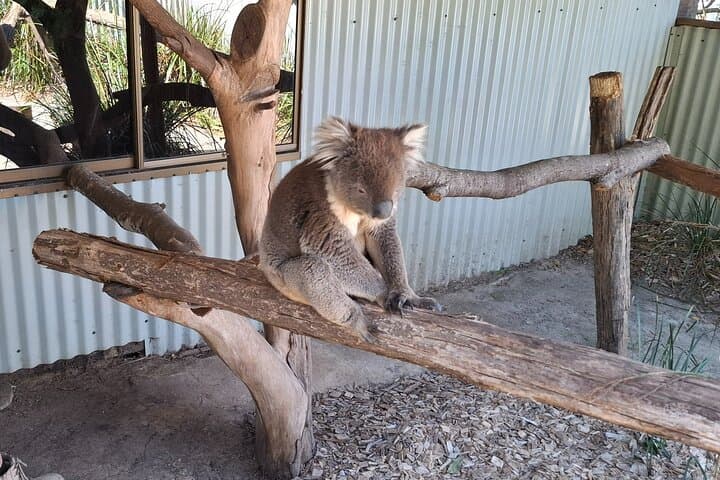
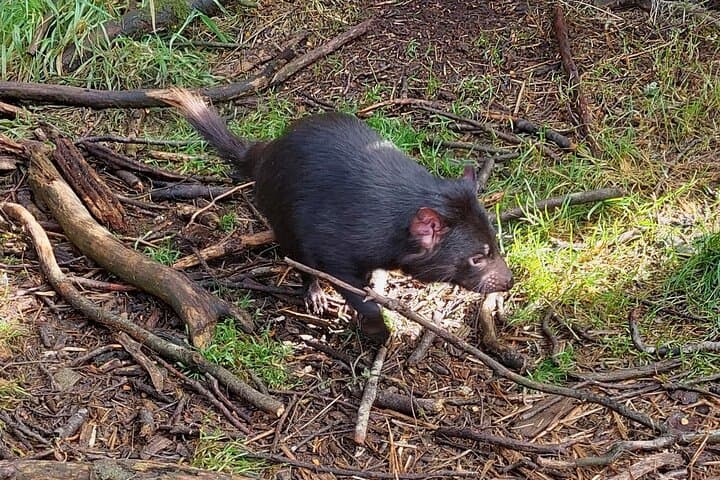
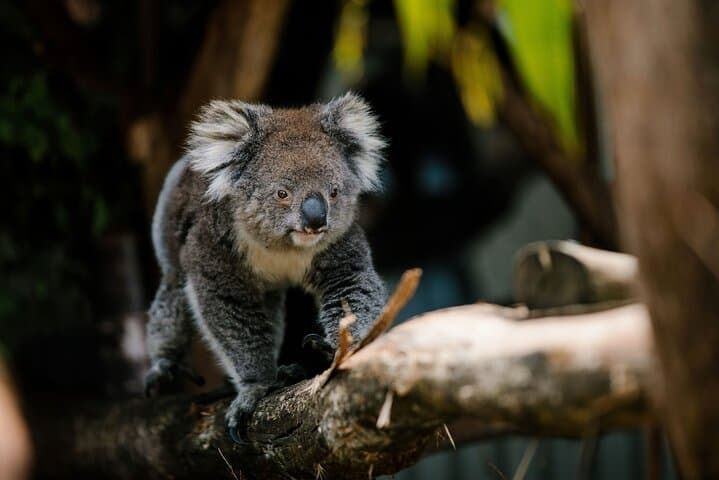
Wings Wildlife Park sits in this transitional landscape — a compact reserve focused on native species. The park’s layout follows gentle, landscaped loops around ponds and enclosures, letting visitors meet kangaroos and wallabies at eye level, watch Tasmanian devils in a nocturnal exhibit, and spot koalas perched in eucalyptus. The region’s geology matters here: nearby Gunns Plains and coastal dolerite shelves speak to Tasmania’s rugged past, and the Leven River has long shaped local settlement and transport.
Culturally, the North West embraces simple pleasures — café lunches, locally made preserves, and souvenir shops selling Tasmanian leatherwood honey. Park staff commonly offer conservation context: breeding programs, rehabilitation work, and threats like habitat loss and feral predators.
Practical side: the shuttle includes return port transfers and allows about two hours at the park, so prioritize exhibits you most want to see. Wear sturdy shoes for gravel paths, bring a refillable bottle, and plan for changeable weather — Tasmania’s coast can be brisk even on sunny days. Respect animal enclosures and follow staff guidance during close encounters. With under four hours round-trip, this shore-side outing is an efficient, family-friendly way to connect with Tasmania’s wildlife without straying far from Burnie’s port.
easy.
3–4 hours.
Suitable for most fitness levels; involves short, gentle walks around the park.
The scheduled stop gives approximately two hours inside the park, which covers highlights but not every exhibit—prioritize what you want to see.
Yes—the shuttle includes return transfers timed to the ship’s schedule; be punctual for departure.
Interaction policies vary by species; staff supervise any permitted interactions and will advise when touching or photo opportunities are allowed.
Many main pathways and exhibits are accessible, but some uneven surfaces and steps may limit access to every area—contact the park in advance for specifics.
North West Tasmania has long been shaped by maritime trade and small-scale agriculture; conservation efforts at parks like Wings focus on protecting species that declined after European settlement.
Wings participates in education and captive-breeding initiatives; visitors reduce impact by staying on paths, not feeding wildlife, and following staff guidance.
eGuide operates guided outdoor trips and adventures with an emphasis on safety, stewardship, and memorable experiences.
A salt-tinged breeze from Bass Strait fades as the shuttle peels inland, the highway giving way to narrow country roads that trace the Leven River. Windows frame a shifting Tasmania: tidy dairy farms, stands of eucalyptus, and the occasional coastal village of Penguin where painted facades and a small harbor nod to maritime life.
A salt-tinged breeze from Bass Strait fades as the shuttle peels inland, the highway giving way to narrow country roads that trace the Leven River. Windows frame a shifting Tasmania: tidy dairy farms, stands of eucalyptus, and the occasional coastal village of Penguin where painted facades and a small harbor nod to maritime life.
Wings Wildlife Park sits in this transitional landscape — a compact reserve focused on native species. The park’s layout follows gentle, landscaped loops around ponds and enclosures, letting visitors meet kangaroos and wallabies at eye level, watch Tasmanian devils in a nocturnal exhibit, and spot koalas perched in eucalyptus. The region’s geology matters here: nearby Gunns Plains and coastal dolerite shelves speak to Tasmania’s rugged past, and the Leven River has long shaped local settlement and transport.
Culturally, the North West embraces simple pleasures — café lunches, locally made preserves, and souvenir shops selling Tasmanian leatherwood honey. Park staff commonly offer conservation context: breeding programs, rehabilitation work, and threats like habitat loss and feral predators.
Practical side: the shuttle includes return port transfers and allows about two hours at the park, so prioritize exhibits you most want to see. Wear sturdy shoes for gravel paths, bring a refillable bottle, and plan for changeable weather — Tasmania’s coast can be brisk even on sunny days. Respect animal enclosures and follow staff guidance during close encounters. With under four hours round-trip, this shore-side outing is an efficient, family-friendly way to connect with Tasmania’s wildlife without straying far from Burnie’s port.