THE ADVENTURE COLLECTIVE® · Independent discovery and booking for outdoor travel

Harness Aruba’s reliable trade winds in a two-hour wing foiling lesson that moves from shore drills to hydrofoil glides. Expect hands-on coaching, full gear provided, and clear progression for beginners.
Harness Aruba’s reliable trade winds in a two-hour wing foiling lesson that moves from shore drills to hydrofoil glides. Expect hands-on coaching, full gear provided, and clear progression for beginners.
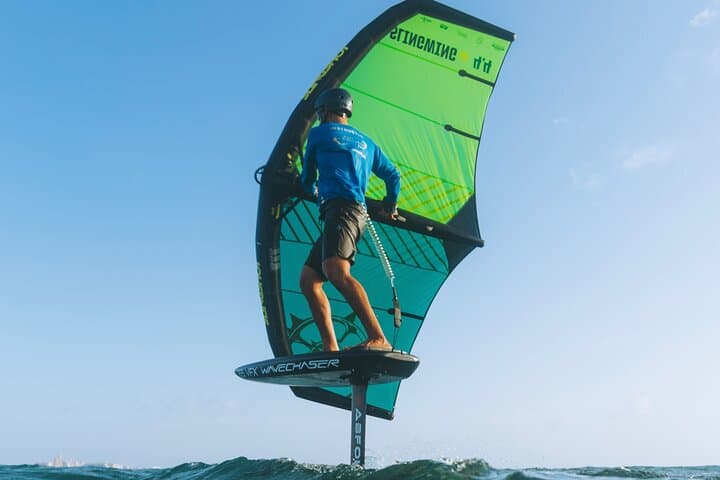
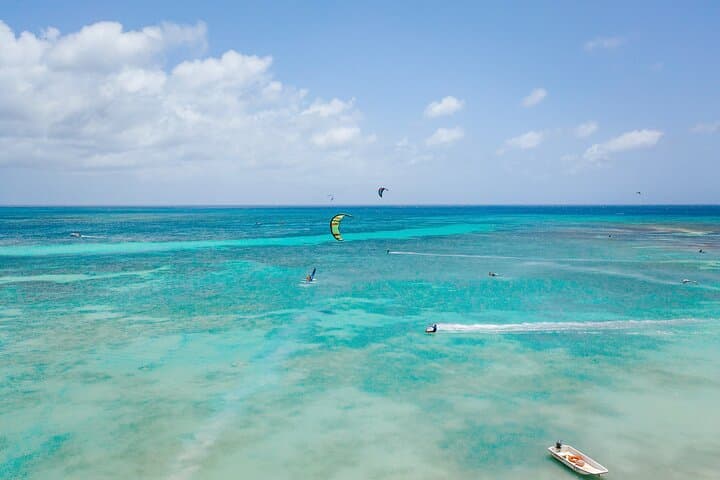
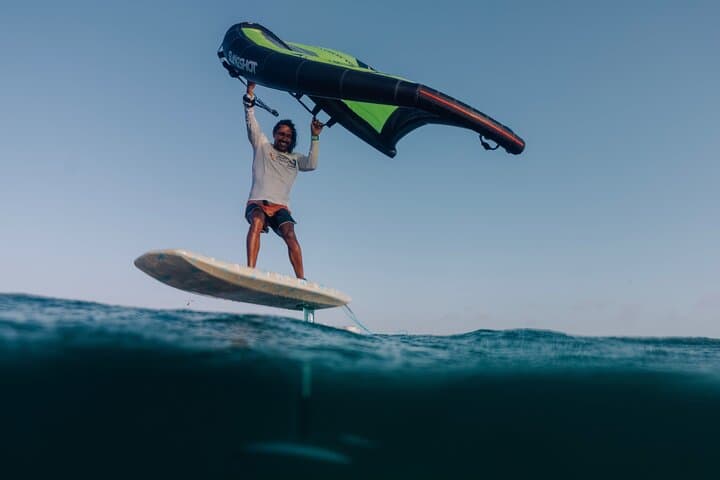
Sand underfoot, a low Atlantic breeze brushing your face, and the wing filling like a living sail — Aruba’s northwesterly trade winds set the stage for a learning curve that feels more like freedom than a lesson. The session starts on shore: instructors break down stance, wing control, and safety against a backdrop of pale sand and low scrub. You’ll begin on a stand-up paddle-style board, riding the wind while you master the wing; when balance and timing align, you step onto a hydrofoil board and the water drops away beneath you as speed lifts the hull.
Verified experiences and guided adventures in the surrounding area.
Operated by Aruba Kitesurfing School · Oranjestad, Aruba
Sand underfoot, a low Atlantic breeze brushing your face, and the wing filling like a living sail — Aruba’s northwesterly trade winds set the stage for a learning curve that feels more like freedom than a lesson. The session starts on shore: instructors break down stance, wing control, and safety against a backdrop of pale sand and low scrub. You’ll begin on a stand-up paddle-style board, riding the wind while you master the wing; when balance and timing align, you step onto a hydrofoil board and the water drops away beneath you as speed lifts the hull.
Aruba’s coral shelf and constant winds are products of its geology: a raised limestone island with shallow, protected bays carved by waves and hard coral. The island’s Dutch colonial history colors the coastline towns and explains why beachfront services are organized and visitor-friendly. Local culture mixes Papiamento rhythms and maritime know-how — expect practical, straightforward instruction and an emphasis on reef awareness.
Practical guidance: sessions typically run two hours with hands-on time on the water; bring swimwear, a rash guard, and reef-safe sunscreen. Moderate fitness and comfort in open water improve progression. Instructors provide wing-foil gear and radio guidance; lessons cater to beginners through intermediate riders.
Timing matters — mornings and late afternoons offer steady winds with gentler chop; mid-day can be windier. Respect local marine life, follow your instructor’s brief, and use a leash system. Within a single taught session you’ll progress from wing basics to powered glides on foil — an efficient introduction to one of the fastest-growing watersports in the Caribbean.
moderate.
2 hours.
Moderate cardio and balance; able to transition from kneeling to standing and swim if needed.
No — most lessons start on a stable SUP-style board to teach wing handling; prior experience speeds learning but isn’t required.
Instructors supply the wing, foil/hydrofoil board, life jacket, and instruction — you only need swimwear and sunscreen.
Participants should be comfortable in the water; flotation devices are provided but basic swimming ability is recommended for safety.
Sessions are canceled for unsafe wind or sea conditions; operators typically require 24-hour cancellation notice for full refunds.
Aruba’s coastline is shaped by its limestone and coral geology; the island’s Dutch colonial administration influenced its modern marina and beach services.
Operators emphasize reef-safe practices; avoid standing on coral, use reef-safe sunscreen, and follow instructor briefings to reduce impact.
Aruba Kitesurfing School operates guided outdoor trips and adventures with an emphasis on safety, stewardship, and memorable experiences.
Sand underfoot, a low Atlantic breeze brushing your face, and the wing filling like a living sail — Aruba’s northwesterly trade winds set the stage for a learning curve that feels more like freedom than a lesson. The session starts on shore: instructors break down stance, wing control, and safety against a backdrop of pale sand and low scrub. You’ll begin on a stand-up paddle-style board, riding the wind while you master the wing; when balance and timing align, you step onto a hydrofoil board and the water drops away beneath you as speed lifts the hull.
Sand underfoot, a low Atlantic breeze brushing your face, and the wing filling like a living sail — Aruba’s northwesterly trade winds set the stage for a learning curve that feels more like freedom than a lesson. The session starts on shore: instructors break down stance, wing control, and safety against a backdrop of pale sand and low scrub. You’ll begin on a stand-up paddle-style board, riding the wind while you master the wing; when balance and timing align, you step onto a hydrofoil board and the water drops away beneath you as speed lifts the hull.
Aruba’s coral shelf and constant winds are products of its geology: a raised limestone island with shallow, protected bays carved by waves and hard coral. The island’s Dutch colonial history colors the coastline towns and explains why beachfront services are organized and visitor-friendly. Local culture mixes Papiamento rhythms and maritime know-how — expect practical, straightforward instruction and an emphasis on reef awareness.
Practical guidance: sessions typically run two hours with hands-on time on the water; bring swimwear, a rash guard, and reef-safe sunscreen. Moderate fitness and comfort in open water improve progression. Instructors provide wing-foil gear and radio guidance; lessons cater to beginners through intermediate riders.
Timing matters — mornings and late afternoons offer steady winds with gentler chop; mid-day can be windier. Respect local marine life, follow your instructor’s brief, and use a leash system. Within a single taught session you’ll progress from wing basics to powered glides on foil — an efficient introduction to one of the fastest-growing watersports in the Caribbean.