THE ADVENTURE COLLECTIVE® · Independent discovery and booking for outdoor travel

Harness Aruba’s steady trade winds and learn to wing foil in a guided two-hour lesson with all gear provided. This clear, practical ride is ideal for adventurous beginners and experienced foilers refining technique.
Harness Aruba’s steady trade winds and learn to wing foil in a guided two-hour lesson with all gear provided. This clear, practical ride is ideal for adventurous beginners and experienced foilers refining technique.
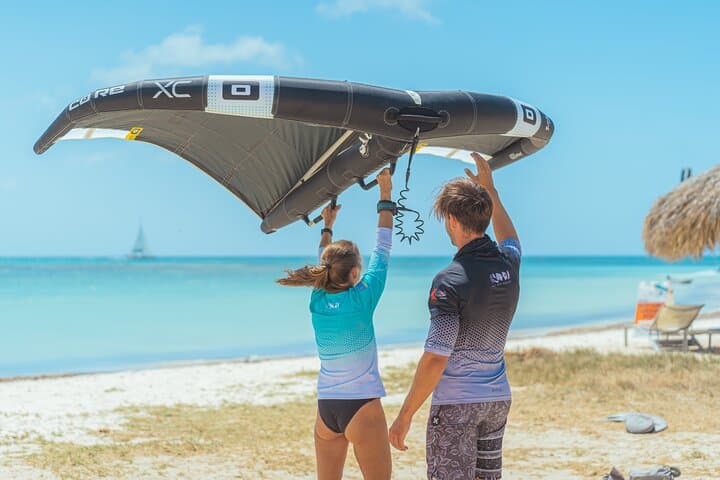
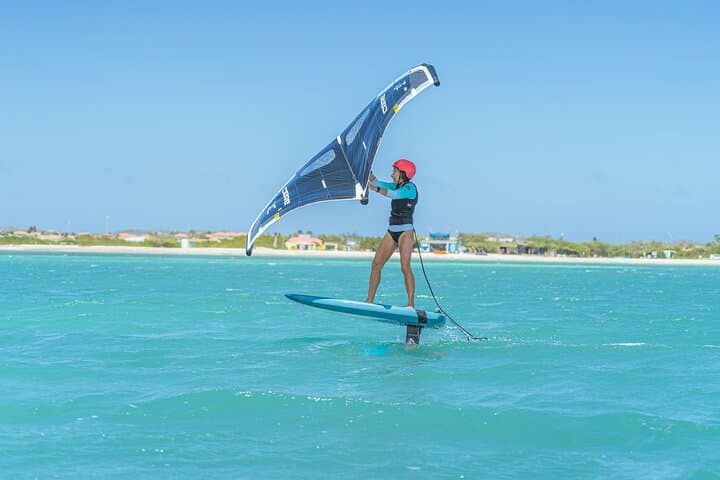
The water opens like a bright road under a wing — steady trade winds lifting the fabric and the board humming as it finds its foil. On a two-hour lesson off Aruba’s west coast you start on the sand, learning to shepherd that wing until it feels like a partner, then move to the board where balance and timing make the foil whisper you up out of the chop.
Verified experiences and guided adventures in the surrounding area.
Operated by Vela Sports Shop · Oranjestad, Aruba
The water opens like a bright road under a wing — steady trade winds lifting the fabric and the board humming as it finds its foil. On a two-hour lesson off Aruba’s west coast you start on the sand, learning to shepherd that wing until it feels like a partner, then move to the board where balance and timing make the foil whisper you up out of the chop.
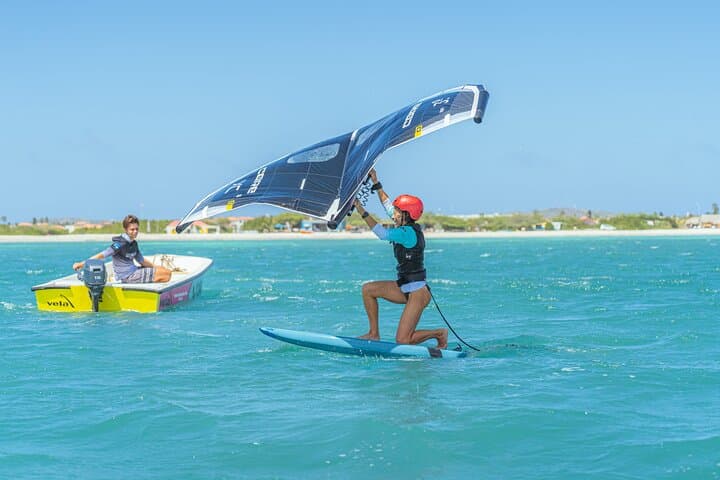
Aruba’s low coral flats and clean, shallow channels were shaped by reef-building and centuries of coastal fishing; the island’s Dutch-Caribbean culture shows in the small harbors and salty cafés that line the shore. The consistent easterly trades here create reliable conditions for learning, and instructors often launch from a nearby support boat for safety and to follow students through changing wind bands.
Expect a structured progression: wing handling on land, controlled power generation, then board get-ups and foil rides. All essential equipment is provided — board, wing, helmet, impact vest and water shoes — but bring a GoPro for above-the-water angles. Lessons favor morning or late afternoon when winds are steady and crowds are light; operators will cancel in high-wind or squall conditions for safety.
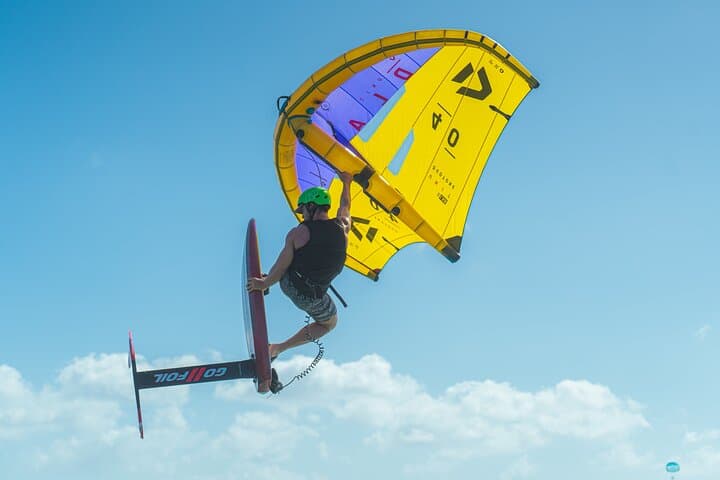
Practical tips: wear a snug rash guard and reef-safe sunscreen, hydrate, and disclose your weight and any medical concerns during booking. Beginners with moderate fitness can make real progress in two hours; experienced riders will use the session to refine foil trim and speed control. Dolphins and turtles are common on clear days — let the marine life move on its own terms and keep the experience focused on learning to fly a few inches above the sea.
moderate.
2 hours.
Moderate fitness—able to swim and manage short paddling and repeated standing attempts.
No—lessons are designed for beginners; you'll start with wing handling on land and progress to the board under instructor supervision.
Wear a swimsuit and a snug rash guard; water shoes are provided but bring any personal footwear you prefer.
Yes—operators cancel in unsafe wind or squall conditions; they usually advise morning or late-afternoon windows to avoid unstable weather.
Limits vary by operator; the booking requires height, weight and age information so instructors can choose appropriate equipment for safety.
Aruba’s coast has long supported fishing communities and maritime traffic; coral reef growth and wave action created the shallow flats favored by water sports today.
Operators typically ask guests to use reef-safe sunscreen and avoid touching marine life; staying off coral and following local guidelines reduces impact on fragile reefs.
Vela Sports Shop operates guided outdoor trips and adventures with an emphasis on safety, stewardship, and memorable experiences.
The water opens like a bright road under a wing — steady trade winds lifting the fabric and the board humming as it finds its foil. On a two-hour lesson off Aruba’s west coast you start on the sand, learning to shepherd that wing until it feels like a partner, then move to the board where balance and timing make the foil whisper you up out of the chop.
The water opens like a bright road under a wing — steady trade winds lifting the fabric and the board humming as it finds its foil. On a two-hour lesson off Aruba’s west coast you start on the sand, learning to shepherd that wing until it feels like a partner, then move to the board where balance and timing make the foil whisper you up out of the chop.
Aruba’s low coral flats and clean, shallow channels were shaped by reef-building and centuries of coastal fishing; the island’s Dutch-Caribbean culture shows in the small harbors and salty cafés that line the shore. The consistent easterly trades here create reliable conditions for learning, and instructors often launch from a nearby support boat for safety and to follow students through changing wind bands.
Expect a structured progression: wing handling on land, controlled power generation, then board get-ups and foil rides. All essential equipment is provided — board, wing, helmet, impact vest and water shoes — but bring a GoPro for above-the-water angles. Lessons favor morning or late afternoon when winds are steady and crowds are light; operators will cancel in high-wind or squall conditions for safety.
Practical tips: wear a snug rash guard and reef-safe sunscreen, hydrate, and disclose your weight and any medical concerns during booking. Beginners with moderate fitness can make real progress in two hours; experienced riders will use the session to refine foil trim and speed control. Dolphins and turtles are common on clear days — let the marine life move on its own terms and keep the experience focused on learning to fly a few inches above the sea.