THE ADVENTURE COLLECTIVE® · Independent discovery and booking for outdoor travel

Two immersive hours with a winemaker that teach aeration, red and white production, rosé selection, and a chocolate pairing—designed to boost your wine confidence. Practical, hands-on, and focused on real-world tasting and buying skills in Virginia’s dynamic wine scene.
Two immersive hours with a winemaker that teach aeration, red and white production, rosé selection, and a chocolate pairing—designed to boost your wine confidence. Practical, hands-on, and focused on real-world tasting and buying skills in Virginia’s dynamic wine scene.
You step into a bright tasting room where the air smells of oak, citrus zest and dark chocolate—glasses already waiting. The instructor, the winemaker, moves between barrels and bottles with a practiced economy of gesture, guiding you through aeration, the construction of red and white styles, rosé selections and an unexpected molecular pairing.
Verified experiences and guided adventures in the surrounding area.
Operated by Little Washington Winery and Brewery · Charlottesville, Virginia
You step into a bright tasting room where the air smells of oak, citrus zest and dark chocolate—glasses already waiting. The instructor, the winemaker, moves between barrels and bottles with a practiced economy of gesture, guiding you through aeration, the construction of red and white styles, rosé selections and an unexpected molecular pairing.
Virginia’s wine scene sits at the intersection of Appalachian soils and Piedmont terraces: clay, limestone pockets and warm summer days that help ripen Cabernet Franc, Viognier and Petit Verdot. The state’s modern winemaking history stretches back to colonial experiments and a 20th-century revival; today small wineries and urban tasting rooms coexist with experimental chefs and artisan producers. The class leans into that context—practical skills first, regional character second.
Expect 2 hours of tasting and technique: how and why to aerate, how production choices shape flavor, reading a restaurant list without intimidation, and a hands-on chocolate-and-wine pairing that highlights texture and acid. The clinic portion is conversational, with demonstrations and small-group tasting pours rather than a formal lecture.
Practical guidance: bring a government ID (21+ required), comfortable shoes for standing, and note any allergies before you book. Book in advance—the sessions cap to keep pours meaningful—and arrive sober and hydrated; water sharpens tasting notes. If you want takeaways, jot down producers and vintages during the class or ask for recommendations to buy locally. This is a skills-forward tasting designed to make you a more confident buyer and diner, not a sommelier certification but an immediate upgrade to how you buy and enjoy wine.
easy.
2 hours.
Minimal physical exertion—mostly standing and light walking; suitable for most adults
You must be 21 or older and present a valid government-issued photo ID to participate.
The experience lasts approximately 2 hours and includes guided tasting pours, demonstrations of aeration and pairing techniques, and a chocolate pairing.
Yes—notify the operator at booking about allergies or dietary restrictions so pairings can be adjusted when possible.
Standard policy allows a full refund if you cancel at least 24 hours before the scheduled start; check your booking confirmation for specifics.
Virginia has one of the oldest winemaking traditions in the U.S., with colonial-era plantings and a modern revival in the late 20th century that emphasized quality vinifera varieties.
Many Virginia wineries practice sustainable viticulture—look for organic or sustainable certifications and support producers who manage runoff and conserve pollinator habitat.
Little Washington Winery and Brewery operates guided outdoor trips and adventures with an emphasis on safety, stewardship, and memorable experiences.
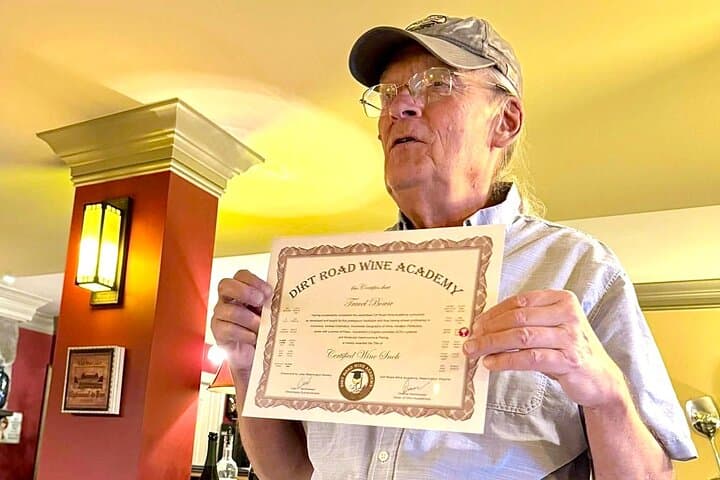
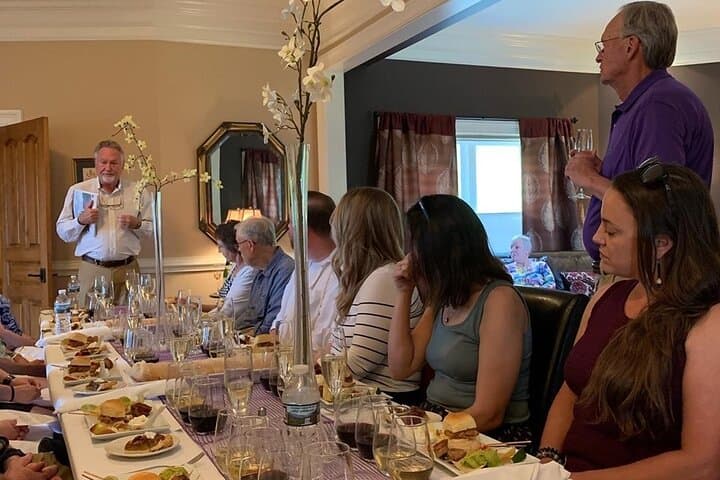
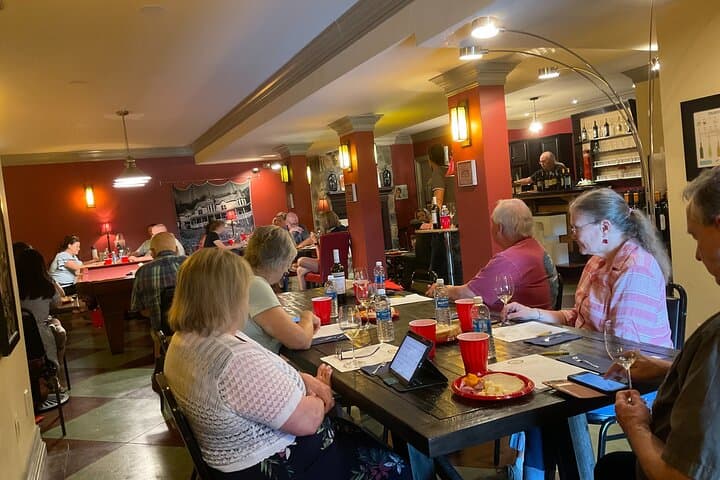
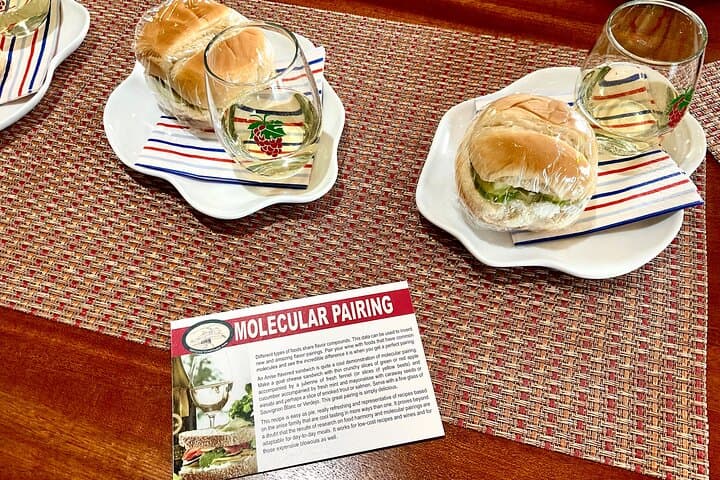
You step into a bright tasting room where the air smells of oak, citrus zest and dark chocolate—glasses already waiting. The instructor, the winemaker, moves between barrels and bottles with a practiced economy of gesture, guiding you through aeration, the construction of red and white styles, rosé selections and an unexpected molecular pairing.
You step into a bright tasting room where the air smells of oak, citrus zest and dark chocolate—glasses already waiting. The instructor, the winemaker, moves between barrels and bottles with a practiced economy of gesture, guiding you through aeration, the construction of red and white styles, rosé selections and an unexpected molecular pairing.
Virginia’s wine scene sits at the intersection of Appalachian soils and Piedmont terraces: clay, limestone pockets and warm summer days that help ripen Cabernet Franc, Viognier and Petit Verdot. The state’s modern winemaking history stretches back to colonial experiments and a 20th-century revival; today small wineries and urban tasting rooms coexist with experimental chefs and artisan producers. The class leans into that context—practical skills first, regional character second.
Expect 2 hours of tasting and technique: how and why to aerate, how production choices shape flavor, reading a restaurant list without intimidation, and a hands-on chocolate-and-wine pairing that highlights texture and acid. The clinic portion is conversational, with demonstrations and small-group tasting pours rather than a formal lecture.
Practical guidance: bring a government ID (21+ required), comfortable shoes for standing, and note any allergies before you book. Book in advance—the sessions cap to keep pours meaningful—and arrive sober and hydrated; water sharpens tasting notes. If you want takeaways, jot down producers and vintages during the class or ask for recommendations to buy locally. This is a skills-forward tasting designed to make you a more confident buyer and diner, not a sommelier certification but an immediate upgrade to how you buy and enjoy wine.