THE ADVENTURE COLLECTIVE® · Independent discovery and booking for outdoor travel

Spend a single day tracing royal lives from Windsor Castle’s State Apartments and St. George’s Chapel to Henry VIII’s Hampton Court Palace and Tudor kitchens. This coach day trip pairs easy walking with deep historical context—ideal for history-minded travelers.
Spend a single day tracing royal lives from Windsor Castle’s State Apartments and St. George’s Chapel to Henry VIII’s Hampton Court Palace and Tudor kitchens. This coach day trip pairs easy walking with deep historical context—ideal for history-minded travelers.
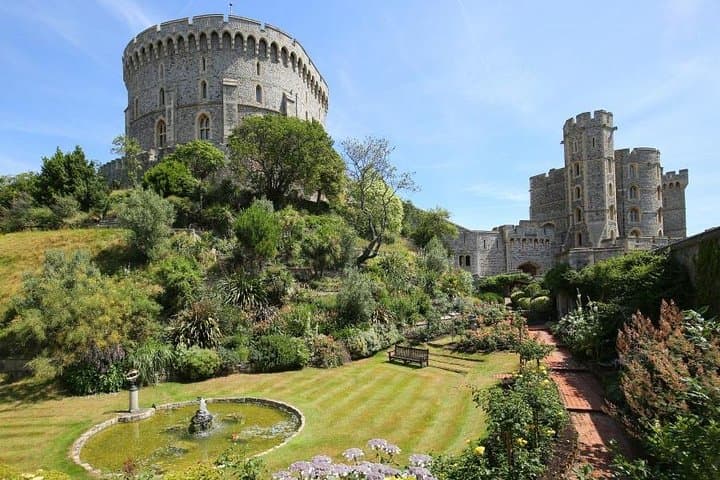
A city-coach eases out of central London before dawn; the Thames widens, fields give way to high stone and red brick, and the profile of Windsor Castle rises like a practiced pose against the sky. By mid-morning the group spreads along Castle Hill—cobbles underfoot, flags snapping overhead—as guides point to the turrets and the heavy oak doors of the State Apartments.
Verified experiences and guided adventures in the surrounding area.
Operated by Golden Tours Gray Line London · Windsor, Berkshire
A city-coach eases out of central London before dawn; the Thames widens, fields give way to high stone and red brick, and the profile of Windsor Castle rises like a practiced pose against the sky. By mid-morning the group spreads along Castle Hill—cobbles underfoot, flags snapping overhead—as guides point to the turrets and the heavy oak doors of the State Apartments.
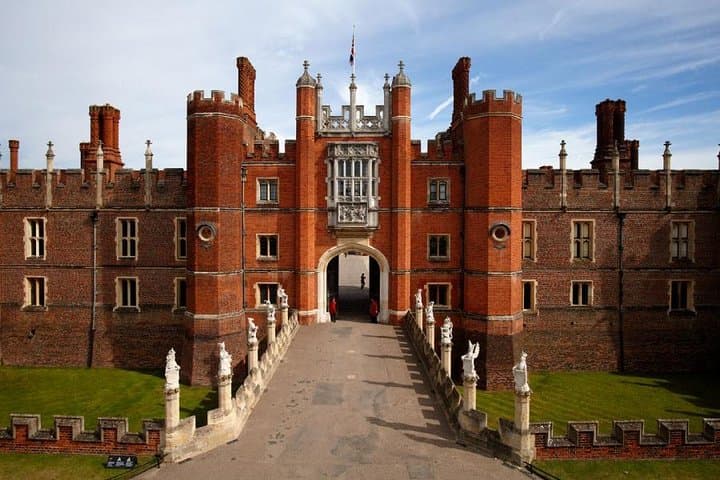
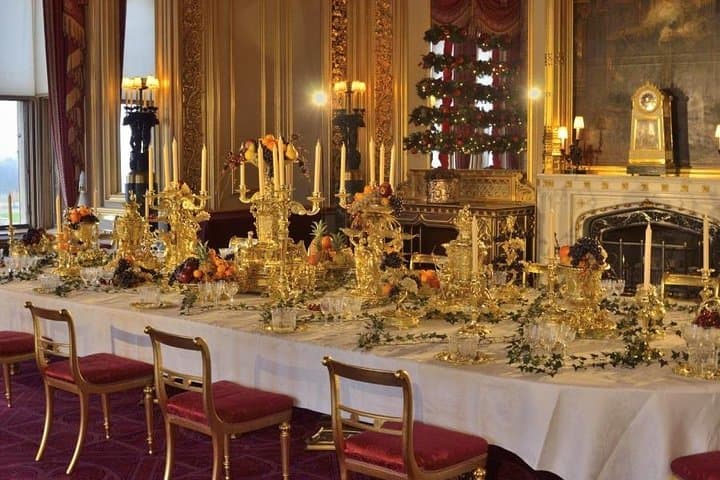
Windsor is the oldest continuously occupied castle in the world, its rooms layered in centuries: medieval fortification, Georgian decoration and modern royal usage. St. George’s Chapel, a fine example of English Gothic, holds royal tombs and the quiet geometry of chapel stone. Later the coach veers south along the Thames to Hampton Court Palace, Cardinal Wolsey’s 1515 foundation that Henry VIII expanded into a riverside court—Tudor kitchens, a warren of private galleries, and a famous hedge maze that still confounds visitors.
Geology is modest here: chalk and river alluvium shaped the river plain, making broad lawns and formal gardens possible. Culture sits in the details—ceramic tile, carved oak, and the ceremonial routes once used to stage power.
Practical guide: plan for a 6-hour outing with roughly 90 minutes at Windsor and two hours at Hampton Court, plus coach transfers (about 45–75 minutes each way depending on traffic). Expect mostly paved paths, short staircases in historic rooms, and strict bag/photography rules in certain interiors. Bring a printed or mobile e-ticket, comfortable walking shoes, and layerable outerwear—British weather changes fast. Check ahead for Chapel closures, and allow extra time if you want to explore the gardens or the maze; these sites are high-value for history and remain accessible for most moderately fit travelers.
moderate.
6 hours.
Suitable for travelers of average fitness; involves 1–3 miles of walking on paved surfaces and some stair climbs.
Coach time varies with traffic but typically takes 45–75 minutes each way; trains can be quicker depending on your London start point.
The tour lists palace entry as included if the ticket option was selected—confirm at booking and carry your e‑ticket to gain entry.
Both sites have accessible routes and services, but some historic rooms include steps and uneven floors; contact the operator for specific accessibility arrangements before booking.
Some palace cafes are open at each site; you can bring snacks but large bags may be subject to checks—plan a short cafe stop between visits.
Windsor has been a royal residence since William the Conqueror; Hampton Court began as Cardinal Wolsey’s grand house before Henry VIII appropriated and expanded it in the 16th century.
Both sites are managed by heritage bodies that balance visitor access with fabric conservation—stay on paths, avoid touching displays, and follow guidance to reduce wear on historic interiors.
Golden Tours Gray Line London operates guided outdoor trips and adventures with an emphasis on safety, stewardship, and memorable experiences.
A city-coach eases out of central London before dawn; the Thames widens, fields give way to high stone and red brick, and the profile of Windsor Castle rises like a practiced pose against the sky. By mid-morning the group spreads along Castle Hill—cobbles underfoot, flags snapping overhead—as guides point to the turrets and the heavy oak doors of the State Apartments.
A city-coach eases out of central London before dawn; the Thames widens, fields give way to high stone and red brick, and the profile of Windsor Castle rises like a practiced pose against the sky. By mid-morning the group spreads along Castle Hill—cobbles underfoot, flags snapping overhead—as guides point to the turrets and the heavy oak doors of the State Apartments.
Windsor is the oldest continuously occupied castle in the world, its rooms layered in centuries: medieval fortification, Georgian decoration and modern royal usage. St. George’s Chapel, a fine example of English Gothic, holds royal tombs and the quiet geometry of chapel stone. Later the coach veers south along the Thames to Hampton Court Palace, Cardinal Wolsey’s 1515 foundation that Henry VIII expanded into a riverside court—Tudor kitchens, a warren of private galleries, and a famous hedge maze that still confounds visitors.
Geology is modest here: chalk and river alluvium shaped the river plain, making broad lawns and formal gardens possible. Culture sits in the details—ceramic tile, carved oak, and the ceremonial routes once used to stage power.
Practical guide: plan for a 6-hour outing with roughly 90 minutes at Windsor and two hours at Hampton Court, plus coach transfers (about 45–75 minutes each way depending on traffic). Expect mostly paved paths, short staircases in historic rooms, and strict bag/photography rules in certain interiors. Bring a printed or mobile e-ticket, comfortable walking shoes, and layerable outerwear—British weather changes fast. Check ahead for Chapel closures, and allow extra time if you want to explore the gardens or the maze; these sites are high-value for history and remain accessible for most moderately fit travelers.