THE ADVENTURE COLLECTIVE® · Independent discovery and booking for outdoor travel

See Windsor Castle’s royal rooms, stroll Bath’s Roman and Georgian streets, and stand before Stonehenge’s prehistoric stones—all in a single guided day trip from London. Expect a full schedule, short walks at each site, and rich historical context from an expert guide.
See Windsor Castle’s royal rooms, stroll Bath’s Roman and Georgian streets, and stand before Stonehenge’s prehistoric stones—all in a single guided day trip from London. Expect a full schedule, short walks at each site, and rich historical context from an expert guide.
Morning light breaks over the M4 as a compact minibus slips out of London and into open fields—hedgerows sharpen, church spires puncture the sky, and the route feels like a corridor through English history.
Verified experiences and guided adventures in the surrounding area.
Operated by Tours-UK · London, England
Morning light breaks over the M4 as a compact minibus slips out of London and into open fields—hedgerows sharpen, church spires puncture the sky, and the route feels like a corridor through English history.
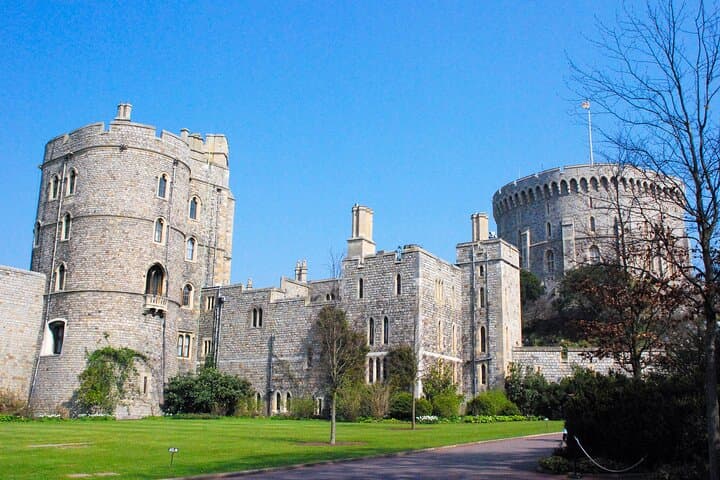
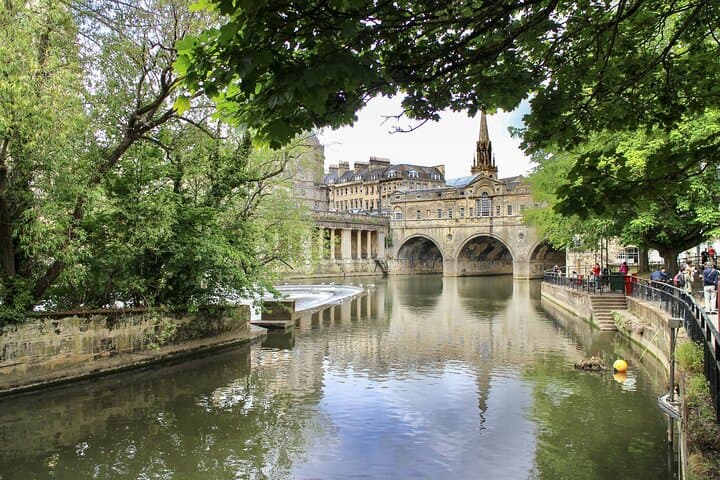
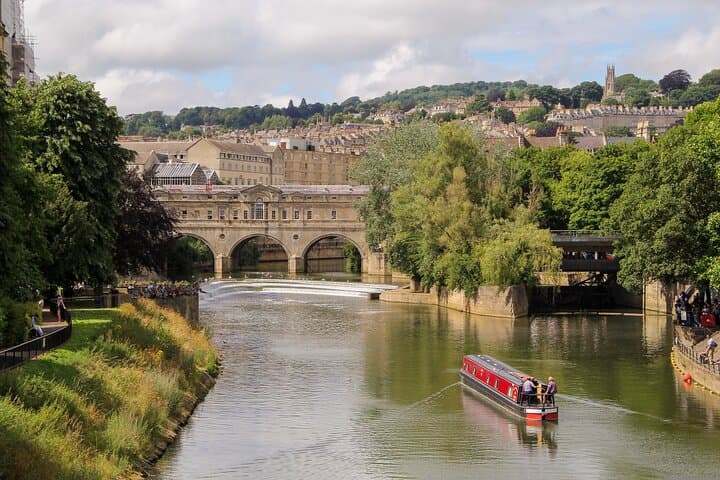
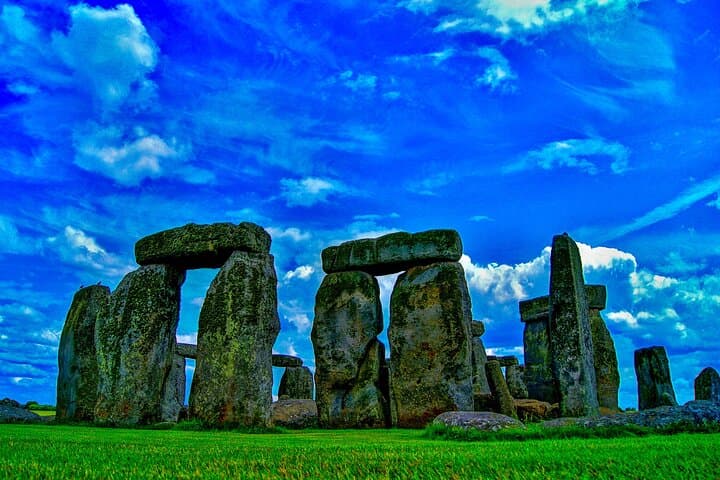
First stop: Windsor, where the castle’s stonework looms and royal life still courses through state rooms and battlements. The guide’s commentary frames centuries of monarchy while you move through courtyards that have watched processions and sieges. Next, Bath’s honey-colored terraces and Roman Baths introduce a different layer: thermal springs that drew Romans and later Georgian architects who sculpted the city out of local oolitic limestone. A walk across Pulteney Bridge and a quick look into the Baths brings geology and urban design together. The day ends on Salisbury Plain with the brooding ring of Stonehenge—sarsen slabs and far-traveled bluestones that make the plateau feel both weathered and deliberate.
This is a driven, small-group excursion: priority entry at key sites and about 10–12 hours including transit. Expect paved and cobbled surfaces in towns, short uphill walks, and uneven chalk grass at Stonehenge. Cultural touchpoints—royal protocol at Windsor, the ritual of Bath’s spa waters, and the prehistoric alignment of Stonehenge—are explained on the move.
Practical edge: bring layered clothing for variable weather, sturdy walking shoes for cobbles and chalk, and a refillable water bottle—sites have toilets and cafes but time is limited. Photography is allowed at most exterior points; climbing or touching stones at Stonehenge is prohibited. For a single-day immersion in English history, this route delivers compact, tangible encounters with three very different eras.
easy.
10–12 hours.
Suitable for most fitness levels—able to stand and walk short distances on uneven ground for several hours.
The tour runs about 10–12 hours with short walks at each site—roughly 20–45 minutes of walking per stop, including stairs and some uneven surfaces.
Admission is included for Windsor Castle and Stonehenge as noted; entry to specific interiors in Windsor may be subject to opening hours and special events.
The provider lists wheelchair accessibility for transport and many areas, but sites have varying accessibility—check individually for Bath’s Roman Baths and ground conditions at Stonehenge.
Meals are not included; there will be opportunities to buy lunch or a cream tea in Bath during the allocated time.
Windsor has been a royal residence since Norman times; Bath grew around Roman hot springs and was later reshaped by Georgian architects using local limestone; Stonehenge’s sarsen and bluestone architecture dates to the late Neolithic and Bronze Age.
Sites are managed by English Heritage and the National Trust—stay on marked paths, respect access rules, and follow Leave No Trace principles to reduce wear on fragile archaeology.
Tours-UK operates guided outdoor trips and adventures with an emphasis on safety, stewardship, and memorable experiences.
Morning light breaks over the M4 as a compact minibus slips out of London and into open fields—hedgerows sharpen, church spires puncture the sky, and the route feels like a corridor through English history.
Morning light breaks over the M4 as a compact minibus slips out of London and into open fields—hedgerows sharpen, church spires puncture the sky, and the route feels like a corridor through English history.
First stop: Windsor, where the castle’s stonework looms and royal life still courses through state rooms and battlements. The guide’s commentary frames centuries of monarchy while you move through courtyards that have watched processions and sieges. Next, Bath’s honey-colored terraces and Roman Baths introduce a different layer: thermal springs that drew Romans and later Georgian architects who sculpted the city out of local oolitic limestone. A walk across Pulteney Bridge and a quick look into the Baths brings geology and urban design together. The day ends on Salisbury Plain with the brooding ring of Stonehenge—sarsen slabs and far-traveled bluestones that make the plateau feel both weathered and deliberate.
This is a driven, small-group excursion: priority entry at key sites and about 10–12 hours including transit. Expect paved and cobbled surfaces in towns, short uphill walks, and uneven chalk grass at Stonehenge. Cultural touchpoints—royal protocol at Windsor, the ritual of Bath’s spa waters, and the prehistoric alignment of Stonehenge—are explained on the move.
Practical edge: bring layered clothing for variable weather, sturdy walking shoes for cobbles and chalk, and a refillable water bottle—sites have toilets and cafes but time is limited. Photography is allowed at most exterior points; climbing or touching stones at Stonehenge is prohibited. For a single-day immersion in English history, this route delivers compact, tangible encounters with three very different eras.