THE ADVENTURE COLLECTIVE® · Independent discovery and booking for outdoor travel

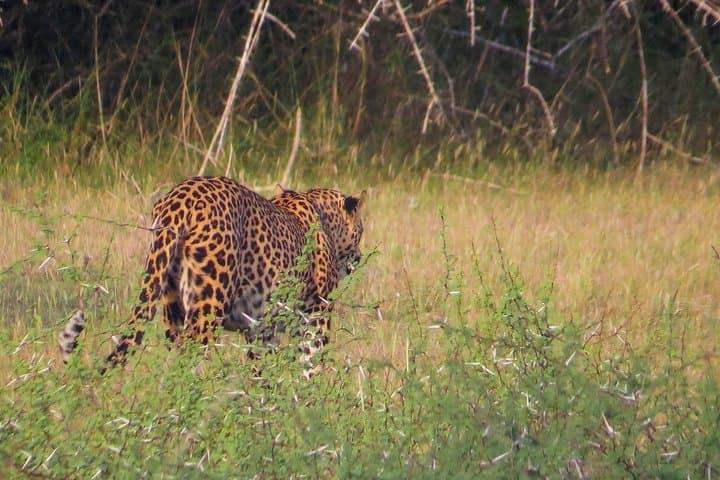
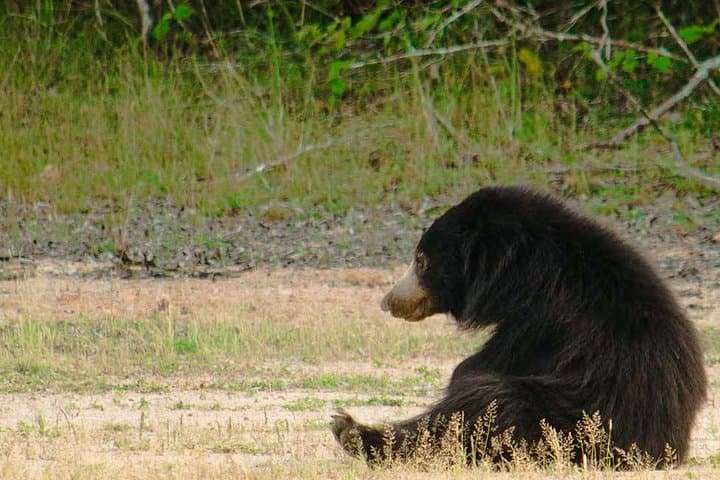
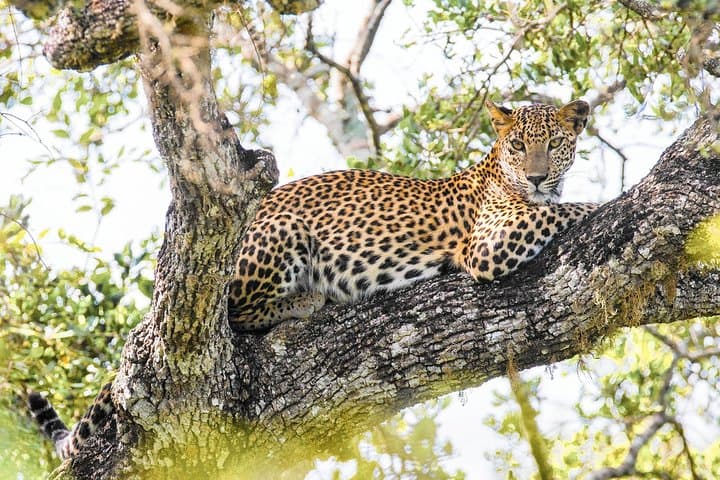
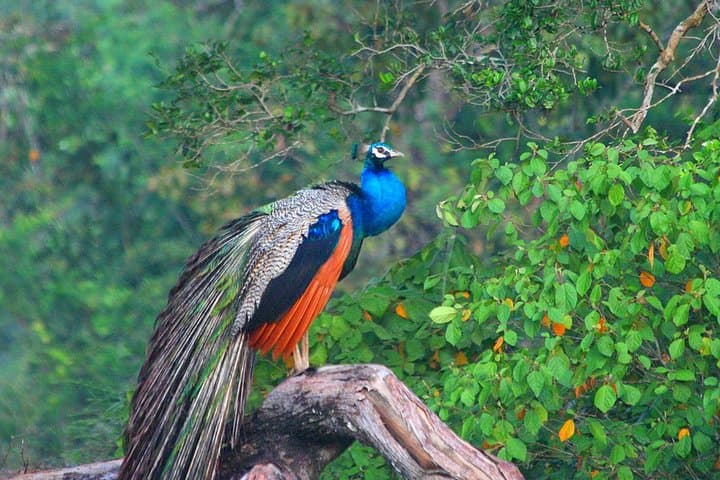
Head into Wilpattu’s dry forests and shimmering villus on a private 4WD safari that targets leopards, sloth bears, elephants and rich birdlife. Expect bumpy tracks, patient tracking from an experienced driver-guide, and concentrated wildlife viewing in Sri Lanka’s largest park.
Head into Wilpattu’s dry forests and shimmering villus on a private 4WD safari that targets leopards, sloth bears, elephants and rich birdlife. Expect bumpy tracks, patient tracking from an experienced driver-guide, and concentrated wildlife viewing in Sri Lanka’s largest park.
Dawn thickens into a pale gold across flat, scrubby plains as your jeep traces a rattling line of dust toward the first villu — shallow, shining lagoons that puncture Wilpattu’s dry forest. Birds flare and a lone tusker shifts the grass; the landscape seems to watch as much as it is watched.
Verified experiences and guided adventures in the surrounding area.
Operated by Lakpura LLC · Anuradhapura, North Western Province
Dawn thickens into a pale gold across flat, scrubby plains as your jeep traces a rattling line of dust toward the first villu — shallow, shining lagoons that puncture Wilpattu’s dry forest. Birds flare and a lone tusker shifts the grass; the landscape seems to watch as much as it is watched.
Wilpattu is one of Sri Lanka’s largest and most ecologically distinct parks, famous for its leopard population and for the depression lakes called villus, which hold water through the dry months and concentrate wildlife. The park’s edges carry traces of human history and were off-limits for decades during civil conflict; today local guides balance cultural knowledge with natural history, explaining how ancient drainage patterns and coastal geology shaped the park’s mosaic of scrub, dune, and wetland.
On a three-hour private jeep safari (max six passengers) expect rough 4WD tracks, frequent stops for birding and elephant viewing, and patient scanning for elusive leopards or a lumbering sloth bear. Your driver-tracker reads signs — paw prints, broken grass — and will insist guests stay mounted near larger herds for safety.
Practical guidance: schedule morning runs for cooler temperatures and active wildlife, bring binoculars and camera with telephoto, wear neutral, breathable clothing and sturdy shoes, and use sunscreen and insect repellent. The operator provides one liter of water per person and offers pickup within about 5 km of Hunuwilagama; park entrance is included if you book the option with tickets. Respect distance, follow your guide, and expect a lively, sometimes bumpy immersion in one of Sri Lanka’s rawest wildlife landscapes.
moderate.
3 hours.
Light-moderate fitness; you should handle bumpy rides and occasional short walks at stops.
Entrance fees are included only if you select the option with tickets; check your booking or confirm with the operator before departure.
Wilpattu is one of the best places in Sri Lanka for leopards, but sightings are never guaranteed — sightings depend on season, timing and luck.
The tour offers free pickup/drop-off within a roughly 5 km radius of Hunuwilagama; confirm your pickup point when booking.
The jeep ride can be bumpy and the operator advises against participation for pregnant travelers and those with serious spinal or cardiovascular conditions; consider the child’s tolerance for rough travel.
Wilpattu’s access was restricted for years during Sri Lanka’s civil conflict; reopening to tourism has helped revive both local livelihoods and wildlife monitoring.
The park faces pressure from development and poaching; responsible viewing — staying in vehicles, not feeding wildlife, and following guide instructions — helps protect fragile populations.
Lakpura LLC operates guided outdoor trips and adventures with an emphasis on safety, stewardship, and memorable experiences.
Dawn thickens into a pale gold across flat, scrubby plains as your jeep traces a rattling line of dust toward the first villu — shallow, shining lagoons that puncture Wilpattu’s dry forest. Birds flare and a lone tusker shifts the grass; the landscape seems to watch as much as it is watched.
Dawn thickens into a pale gold across flat, scrubby plains as your jeep traces a rattling line of dust toward the first villu — shallow, shining lagoons that puncture Wilpattu’s dry forest. Birds flare and a lone tusker shifts the grass; the landscape seems to watch as much as it is watched.
Wilpattu is one of Sri Lanka’s largest and most ecologically distinct parks, famous for its leopard population and for the depression lakes called villus, which hold water through the dry months and concentrate wildlife. The park’s edges carry traces of human history and were off-limits for decades during civil conflict; today local guides balance cultural knowledge with natural history, explaining how ancient drainage patterns and coastal geology shaped the park’s mosaic of scrub, dune, and wetland.
On a three-hour private jeep safari (max six passengers) expect rough 4WD tracks, frequent stops for birding and elephant viewing, and patient scanning for elusive leopards or a lumbering sloth bear. Your driver-tracker reads signs — paw prints, broken grass — and will insist guests stay mounted near larger herds for safety.
Practical guidance: schedule morning runs for cooler temperatures and active wildlife, bring binoculars and camera with telephoto, wear neutral, breathable clothing and sturdy shoes, and use sunscreen and insect repellent. The operator provides one liter of water per person and offers pickup within about 5 km of Hunuwilagama; park entrance is included if you book the option with tickets. Respect distance, follow your guide, and expect a lively, sometimes bumpy immersion in one of Sri Lanka’s rawest wildlife landscapes.