THE ADVENTURE COLLECTIVE® · Independent discovery and booking for outdoor travel

A full-day safari from Negombo introduces travelers to Wilpattu’s unique willus and reputation for leopards. This guide explains what to expect on the long drive, key wildlife to watch for, and practical tips for a successful game drive.
A full-day safari from Negombo introduces travelers to Wilpattu’s unique willus and reputation for leopards. This guide explains what to expect on the long drive, key wildlife to watch for, and practical tips for a successful game drive.
The morning light hits the scrub and dry grass before the jeep has even started — dust lifts like a slow ribbon and the willus, shallow sand-rimmed lakes, flash silver between trees. On a Wilpattu safari from Negombo, the journey itself reads like an introduction: coastal roads give way to arid plains, and the park’s low ridges frame views where a leopard could be watching from a shaded banyan.
Verified experiences and guided adventures in the surrounding area.
Operated by Sri Shannon Tours · Anuradhapura, North Western Province
The morning light hits the scrub and dry grass before the jeep has even started — dust lifts like a slow ribbon and the willus, shallow sand-rimmed lakes, flash silver between trees. On a Wilpattu safari from Negombo, the journey itself reads like an introduction: coastal roads give way to arid plains, and the park’s low ridges frame views where a leopard could be watching from a shaded banyan.
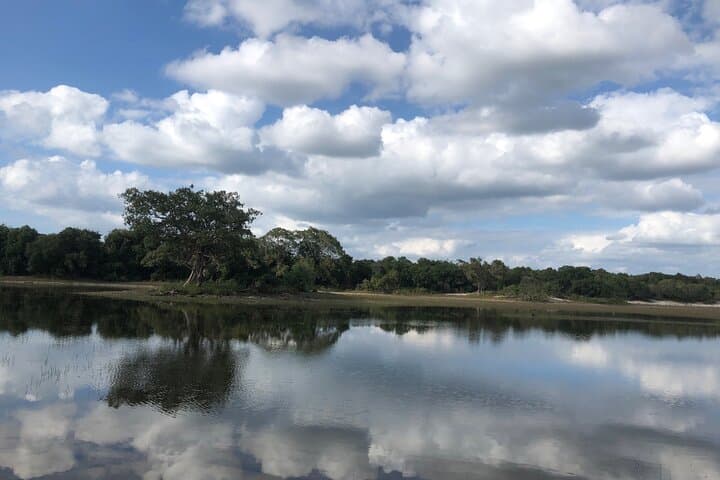
Wilpattu, one of Sri Lanka’s oldest and largest national parks, sits in the northwest dry zone and is famed for its nearly sixty willus — natural basins that collect seasonal rain. Geologically the park is a gently undulating plain with sandy soils and intermittent tanks that support dry-zone forest and scrub. Culturally, the area bears the imprint of nearby ancient cities; drivers and guides often point out old irrigation works and local villages whose livelihoods have long been tied to these water pockets.
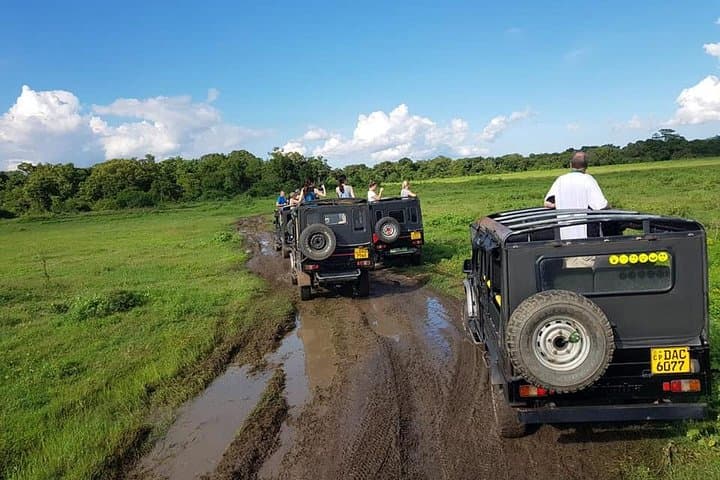
Expect a long day: a round-trip from Negombo is roughly 6–7 hours each way by road to the park edge, with a 4–5 hour game drive inside. Wildlife highlights include leopards, sloth bears, elephants and a wide bird list drawn to the willus.
Practical notes: book an early departure for the best light and animal activity, bring sun protection and plenty of water, and carry binoculars and a long lens for photos. Respect park rules and keep distance from wildlife — guides know where to watch, but patience is the real asset on Wilpattu’s quiet, wide plain.
moderate.
10–12 hours (full-day).
Moderate fitness recommended for long vehicle transfers and occasional short walks from the jeep; not physically demanding but stamina helps for a long day.
Expect roughly 3–4 hours each way depending on traffic and the tour route; many operators include door-to-door transfers.
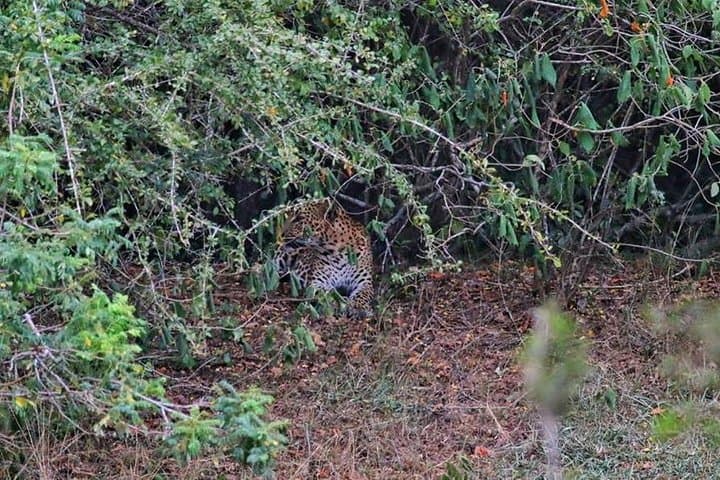
Wilpattu has a healthy leopard population and sightings occur, but leopards are elusive — sightings are never guaranteed and often require patience and a bit of luck.
The park environment involves long road transfers and bumpy drives; check provider restrictions—many recommend against pregnancy and advise supervising young children closely.
Early morning is best for wildlife activity and cooler temperatures; late afternoon drives can also be productive but the full-day itinerary from Negombo typically focuses on morning to mid-day game viewing.
Wilpattu’s landscape has been shaped by ancient irrigation and natural rain-fed willus; it’s one of Sri Lanka’s oldest protected areas with cultural links to nearby historic cities.
Visitor pressure and seasonal fires are managed by park authorities; stick to designated routes and avoid litter to reduce disturbance to sensitive dry-zone habitats.
Sri Shannon Tours operates guided outdoor trips and adventures with an emphasis on safety, stewardship, and memorable experiences.
The morning light hits the scrub and dry grass before the jeep has even started — dust lifts like a slow ribbon and the willus, shallow sand-rimmed lakes, flash silver between trees. On a Wilpattu safari from Negombo, the journey itself reads like an introduction: coastal roads give way to arid plains, and the park’s low ridges frame views where a leopard could be watching from a shaded banyan.
The morning light hits the scrub and dry grass before the jeep has even started — dust lifts like a slow ribbon and the willus, shallow sand-rimmed lakes, flash silver between trees. On a Wilpattu safari from Negombo, the journey itself reads like an introduction: coastal roads give way to arid plains, and the park’s low ridges frame views where a leopard could be watching from a shaded banyan.
Wilpattu, one of Sri Lanka’s oldest and largest national parks, sits in the northwest dry zone and is famed for its nearly sixty willus — natural basins that collect seasonal rain. Geologically the park is a gently undulating plain with sandy soils and intermittent tanks that support dry-zone forest and scrub. Culturally, the area bears the imprint of nearby ancient cities; drivers and guides often point out old irrigation works and local villages whose livelihoods have long been tied to these water pockets.
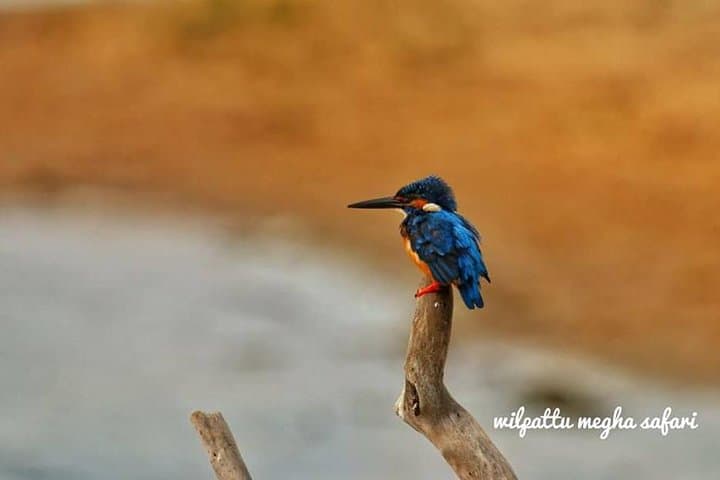
Expect a long day: a round-trip from Negombo is roughly 6–7 hours each way by road to the park edge, with a 4–5 hour game drive inside. Wildlife highlights include leopards, sloth bears, elephants and a wide bird list drawn to the willus.
Practical notes: book an early departure for the best light and animal activity, bring sun protection and plenty of water, and carry binoculars and a long lens for photos. Respect park rules and keep distance from wildlife — guides know where to watch, but patience is the real asset on Wilpattu’s quiet, wide plain.