THE ADVENTURE COLLECTIVE® · Independent discovery and booking for outdoor travel

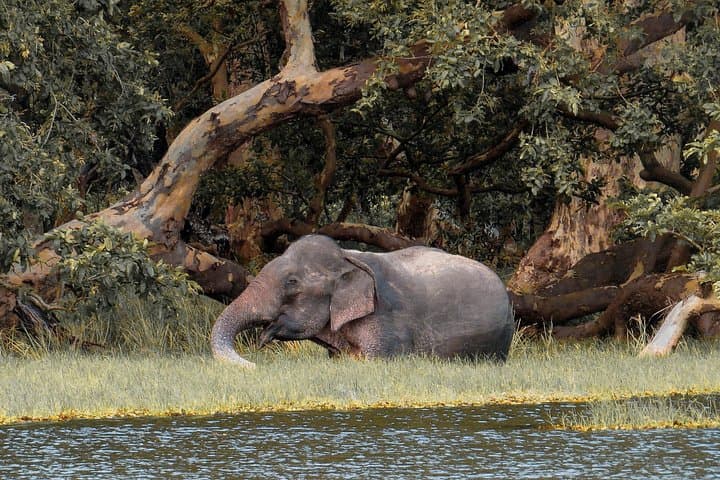
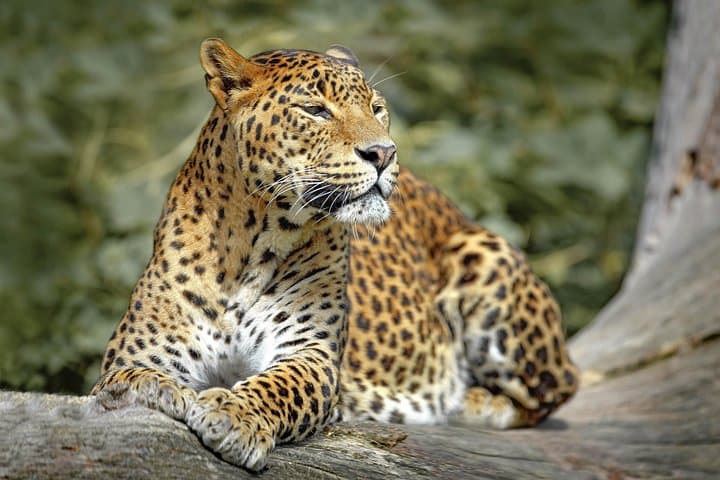
A private jeep game drive from Habarana into Wilpattu National Park offers close encounters with elephants and waterbirds and a rare chance at spotting the elusive Sri Lankan leopard. Expect rough 4x4 tracks, early starts, and wildlife driven by the park’s seasonal water-bodies.
A private jeep game drive from Habarana into Wilpattu National Park offers close encounters with elephants and waterbirds and a rare chance at spotting the elusive Sri Lankan leopard. Expect rough 4x4 tracks, early starts, and wildlife driven by the park’s seasonal water-bodies.
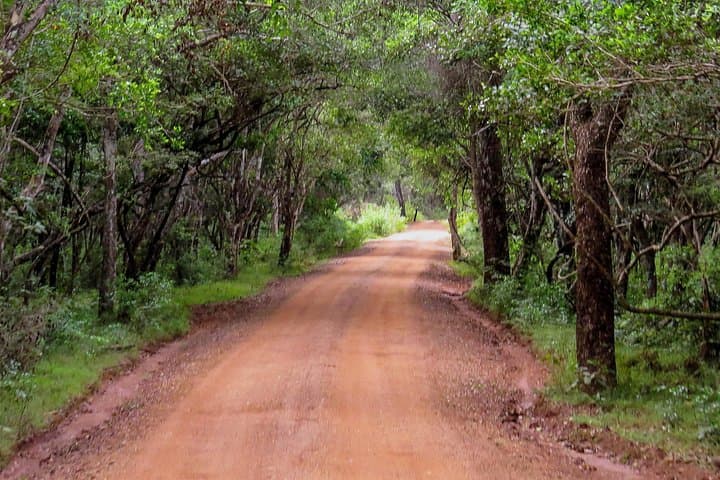
The jeep bumps over laterite ruts and drops you alongside a chain of villus—shallow lagoons that catch the light like coins—while the scrub forest leans in as if to listen. Early morning in Wilpattu is tactile: dust rises in thin curtains, peacocks fan iridescent tails on low branches, and the park’s scattered water-bodies dare the wildlife to linger where they can be seen.
Verified experiences and guided adventures in the surrounding area.
Operated by Lakpura LLC · Habarana, North Central Province
The jeep bumps over laterite ruts and drops you alongside a chain of villus—shallow lagoons that catch the light like coins—while the scrub forest leans in as if to listen. Early morning in Wilpattu is tactile: dust rises in thin curtains, peacocks fan iridescent tails on low branches, and the park’s scattered water-bodies dare the wildlife to linger where they can be seen.
Wilpattu is one of Sri Lanka’s oldest and largest parks, its plain shaped by ancient tanks and seasonal lagoons. The land remembers early Sinhala legends—the local story of Kuweni ties the area to Sri Lanka’s earliest formative myths—while the park’s sandy soils and grassy dunes reflect millennia of coastal and inland interplay. Culturally, the park sits on routes used by village herders and pilgrims; polite local customs around distance and photography remain important.
Practically, the four-hour game drive from Habarana travels rough 4x4 tracks; expect a private air-conditioned transfer to the park entrance and a bumpy open-top jeep inside. Wildlife sightings are unpredictable—elephants, waterbirds and peacocks are dependable, leopards and sloth bears less so—but guides focus on reading spoor and villu-edge behavior.
Bring shaded, neutral clothing, binoculars and a camera with a decent zoom. Plan for an early start to catch low light and active animals; the sun becomes harsh by late morning and animals draw to shaded water-holes. Respect park rules, stay seated during sightings, and keep noise low—Wilpattu rewards patience more than speed.
moderate.
6–8 hours (includes transfers).
Light-to-moderate fitness: you must board uneven vehicles and handle short walks to viewing points.
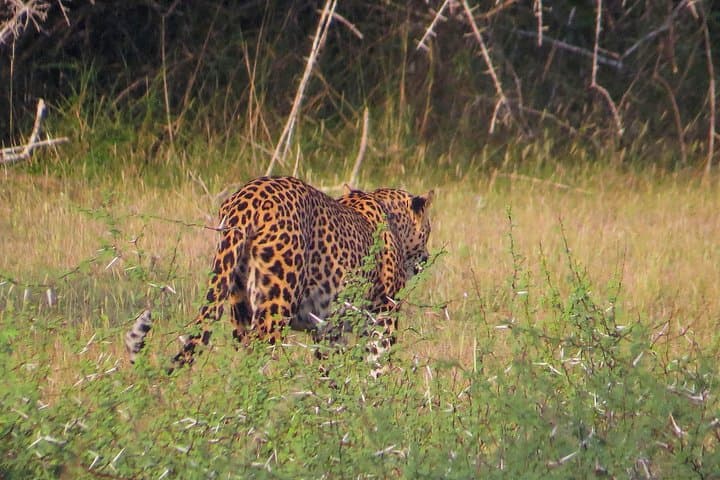
Leopard sightings in Wilpattu are possible but not guaranteed; they are elusive and often solitary—guides increase chances by tracking spoor and focusing on villu edges at dawn and dusk.
Admission is not included in the listed itinerary; verify fees with your operator and have local currency ready for park entry if required.
The operator notes this activity is not recommended for pregnant travelers and those with serious spinal or cardiovascular conditions; children may join but should be monitored due to bumpy terrain.
Full refund available if cancelled at least 24 hours before departure; operators may cancel for bad weather or insufficient travelers—confirm specifics at booking.
The Wilpattu area features ancient ties to early Sinhala legends such as the story of Kuweni and sits near historical tank systems developed millennia ago.
Wilpattu faces pressures from habitat loss and poaching; stay on designated tracks, avoid feeding wildlife, and follow guide instructions to minimize disturbance.
Lakpura LLC operates guided outdoor trips and adventures with an emphasis on safety, stewardship, and memorable experiences.
The jeep bumps over laterite ruts and drops you alongside a chain of villus—shallow lagoons that catch the light like coins—while the scrub forest leans in as if to listen. Early morning in Wilpattu is tactile: dust rises in thin curtains, peacocks fan iridescent tails on low branches, and the park’s scattered water-bodies dare the wildlife to linger where they can be seen.
The jeep bumps over laterite ruts and drops you alongside a chain of villus—shallow lagoons that catch the light like coins—while the scrub forest leans in as if to listen. Early morning in Wilpattu is tactile: dust rises in thin curtains, peacocks fan iridescent tails on low branches, and the park’s scattered water-bodies dare the wildlife to linger where they can be seen.
Wilpattu is one of Sri Lanka’s oldest and largest parks, its plain shaped by ancient tanks and seasonal lagoons. The land remembers early Sinhala legends—the local story of Kuweni ties the area to Sri Lanka’s earliest formative myths—while the park’s sandy soils and grassy dunes reflect millennia of coastal and inland interplay. Culturally, the park sits on routes used by village herders and pilgrims; polite local customs around distance and photography remain important.
Practically, the four-hour game drive from Habarana travels rough 4x4 tracks; expect a private air-conditioned transfer to the park entrance and a bumpy open-top jeep inside. Wildlife sightings are unpredictable—elephants, waterbirds and peacocks are dependable, leopards and sloth bears less so—but guides focus on reading spoor and villu-edge behavior.
Bring shaded, neutral clothing, binoculars and a camera with a decent zoom. Plan for an early start to catch low light and active animals; the sun becomes harsh by late morning and animals draw to shaded water-holes. Respect park rules, stay seated during sightings, and keep noise low—Wilpattu rewards patience more than speed.