THE ADVENTURE COLLECTIVE® · Independent discovery and booking for outdoor travel

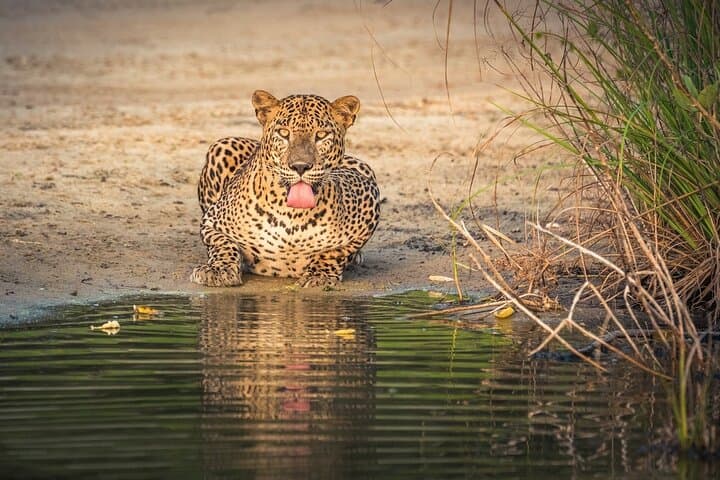
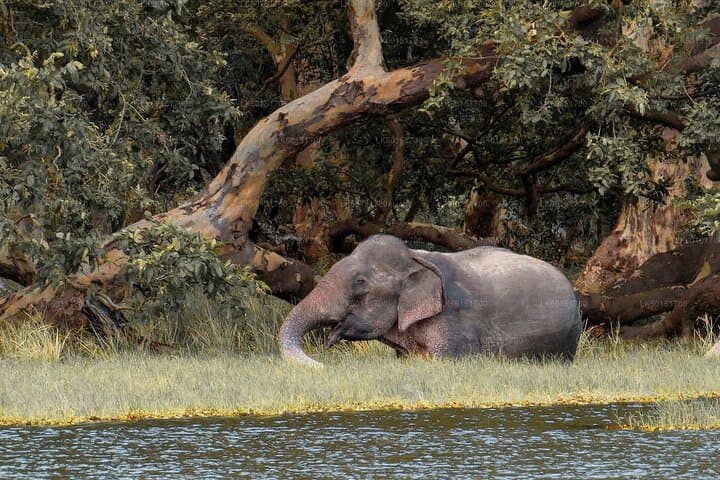
Spend a full day in Wilpattu National Park—Sri Lanka’s vast dry-zone reserve—searching for leopards, elephants and water-filled willus on a guided jeep safari from Trincomalee. Expect long tracks, expert trackers and wildlife-rich sightings at dawn and dusk.
Spend a full day in Wilpattu National Park—Sri Lanka’s vast dry-zone reserve—searching for leopards, elephants and water-filled willus on a guided jeep safari from Trincomalee. Expect long tracks, expert trackers and wildlife-rich sightings at dawn and dusk.
You step from the air-conditioned vehicle into late-morning heat and the park opens like a breathing landscape: a patchwork of shaded canopy, grass plains and the round, water-filled basins called willus that define Wilpattu.
Verified experiences and guided adventures in the surrounding area.
Operated by Sigiritrip Tours · Puttalam, North Western Province
You step from the air-conditioned vehicle into late-morning heat and the park opens like a breathing landscape: a patchwork of shaded canopy, grass plains and the round, water-filled basins called willus that define Wilpattu.
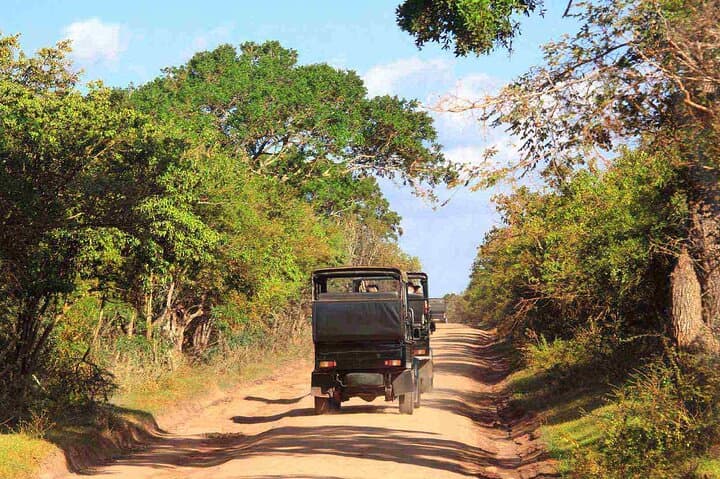
The driving rhythm is deliberate—slow over sandy tracks, stopping when a tracker’s binoculars lock on a movement. Trees lean and shade the jeep; birds call from the willus and the distant rumble of elephants reconfigures the quiet. Sunslides off dusty sides as a group of spotted deer inches away from a shallow depression.
Wilpattu is one of Sri Lanka’s oldest and largest national parks. Its willus are geological hollows formed by wind and rain on coastal plains, and they support dry-zone forests that have sustained local communities for centuries. The park’s culture is woven with traditional turtle nesting grounds along the coast and villages that historically grazed cattle at the forest edge.
Expect all-day fieldwork: long stretches of vehicle time punctuated by focused, patient watching. Trackers interpret spoor and seasonal water levels; sightings can be fleeting—leopards are stealthy, elephants purposeful. Photographers prize the low-angle light at sunset, when the willus mirror sky and wildlife silhouettes sharpen.
Practical advice: carry water and sun protection, bring binoculars (often supplied), and wear neutral-colored, breathable clothing. The route is sandy and bumpy—earlier starts improve chances for big cat sightings and cooler travel. Respect park rules, keep distance from animals, and plan for a full 7–8 hour day to make the most of Wilpattu’s rare dry-zone wilderness.
moderate.
7–8 hours.
Suitable for most fitness levels; involves long periods in a jeep and occasional short walks; ability to get in/out of a high-clearance vehicle is required
The tour typically runs 7–8 hours (420–480 minutes) including transit from Trincomalee and time inside Wilpattu.
Leopard sightings are possible but not guaranteed; trackers improve chances through knowledge of spoor and routine hotspots.
Yes—this safari is rated easy in physical demand, but families should prepare for a long day and bumpy vehicle travel.
Confirm with the operator—admission is sometimes separate; this tour listing indicates admission is not included, so check before booking.
Wilpattu has been recognized for its ancient ecosystems and was a traditional hunting and grazing area for nearby communities before formal park protections were established in the 20th century.
Conservation efforts focus on habitat protection, anti-poaching measures and managing water levels in willus; visitors are asked to follow strict park rules to minimize disturbance.
Sigiritrip Tours operates guided outdoor trips and adventures with an emphasis on safety, stewardship, and memorable experiences.

You step from the air-conditioned vehicle into late-morning heat and the park opens like a breathing landscape: a patchwork of shaded canopy, grass plains and the round, water-filled basins called willus that define Wilpattu.
You step from the air-conditioned vehicle into late-morning heat and the park opens like a breathing landscape: a patchwork of shaded canopy, grass plains and the round, water-filled basins called willus that define Wilpattu.
The driving rhythm is deliberate—slow over sandy tracks, stopping when a tracker’s binoculars lock on a movement. Trees lean and shade the jeep; birds call from the willus and the distant rumble of elephants reconfigures the quiet. Sunslides off dusty sides as a group of spotted deer inches away from a shallow depression.
Wilpattu is one of Sri Lanka’s oldest and largest national parks. Its willus are geological hollows formed by wind and rain on coastal plains, and they support dry-zone forests that have sustained local communities for centuries. The park’s culture is woven with traditional turtle nesting grounds along the coast and villages that historically grazed cattle at the forest edge.
Expect all-day fieldwork: long stretches of vehicle time punctuated by focused, patient watching. Trackers interpret spoor and seasonal water levels; sightings can be fleeting—leopards are stealthy, elephants purposeful. Photographers prize the low-angle light at sunset, when the willus mirror sky and wildlife silhouettes sharpen.
Practical advice: carry water and sun protection, bring binoculars (often supplied), and wear neutral-colored, breathable clothing. The route is sandy and bumpy—earlier starts improve chances for big cat sightings and cooler travel. Respect park rules, keep distance from animals, and plan for a full 7–8 hour day to make the most of Wilpattu’s rare dry-zone wilderness.