THE ADVENTURE COLLECTIVE® · Independent discovery and booking for outdoor travel

A private four-hour jeep safari through Sri Lanka’s largest national park, where willu basins dictate wildlife patterns and leopards remain the park’s most sought-after residents. Learn what to expect, when to go, and how to prepare for the best chance to observe big cats and waterbirds.
A private four-hour jeep safari through Sri Lanka’s largest national park, where willu basins dictate wildlife patterns and leopards remain the park’s most sought-after residents. Learn what to expect, when to go, and how to prepare for the best chance to observe big cats and waterbirds.
The sun has just cleared the low scrub when your jeep eases onto a sand track and the first willu—those shallow, sand-rimmed rain basins—glint like scattered mirrors. Dry grass whispers as the driver cuts the engine; even the wind seems to hold its breath. In Wilpattu, the land directs the rhythm: water collects, birds gather, and predators move in the margins.
Verified experiences and guided adventures in the surrounding area.
Operated by Travceylon Leisure · Puttalam, North Western Province
The sun has just cleared the low scrub when your jeep eases onto a sand track and the first willu—those shallow, sand-rimmed rain basins—glint like scattered mirrors. Dry grass whispers as the driver cuts the engine; even the wind seems to hold its breath. In Wilpattu, the land directs the rhythm: water collects, birds gather, and predators move in the margins.
Wilpattu is Sri Lanka’s largest and one of its oldest national parks, spanning roughly 1,317 km² and rising from sea level to about 152 meters. Geologically the park is coastal plain broken by natural depressions that form willus; these basins create a patchwork of seasonal wetlands and scrub that shape wildlife movement. Culturally, the park sits between Puttalam and Anuradhapura—land once threaded with ancient irrigation works—and nearby villages maintain traditional ties to the landscape.
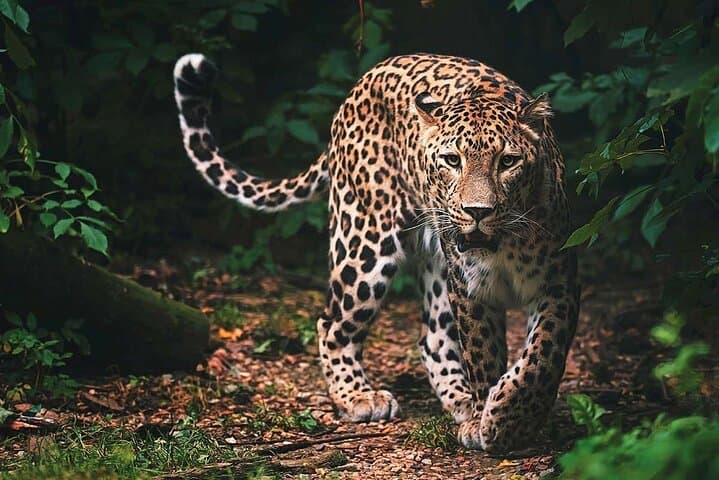
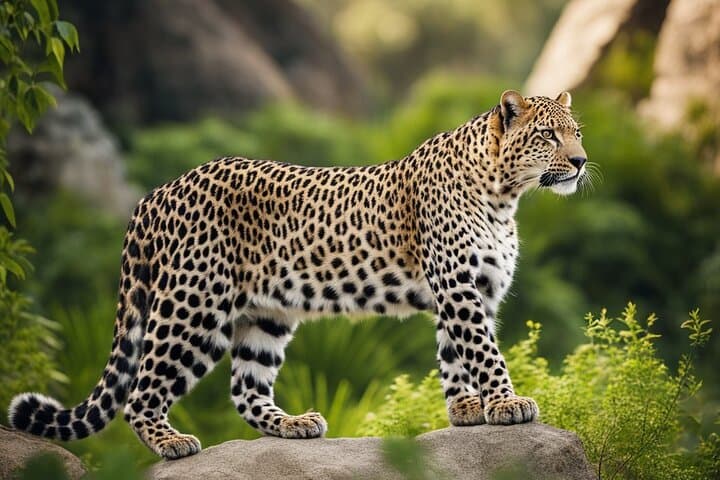
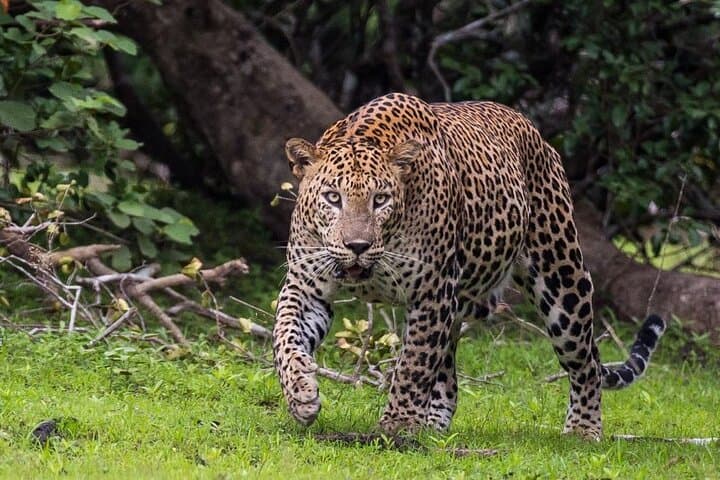
On a private four-hour safari you’re paired with a driver-tracker who reads spoor and pools like a map. Expect leopard sightings to be rare but possible—Wilpattu is world-renowned for its Panthera pardus kotiya population—alongside elephants, sambar deer, and raptors staking territory above the willus.
Practical edge: choose morning or late afternoon light for the best behavior and photographs; bring binoculars and a long lens, wear muted colors, and keep voices low. The operator provides a private safari jeep, complimentary water, and pickup within 5 km of the park gate. Note the park’s rough tracks: a moderate level of fitness and a tolerance for bumps will make the day more comfortable. With respect and patience, Wilpattu rewards close observation more than grand gestures—its wildlife reveals itself on its own terms.
moderate.
4 hours.
Suitable for travelers with moderate fitness who can handle jostling in an open jeep and short walks at viewpoints.
The private experience runs approximately four hours, with a professional driver-tracker and a private safari jeep provided.
No—wildlife is wild. Wilpattu offers strong leopard probabilities compared to many parks, but sightings depend on season, time of day, and animal movement.
The tour includes a private safari jeep and pickup/drop-off within a 5 km radius of the park gate; confirm pickup location when booking.
The operator notes it’s not recommended for travelers with spinal injuries due to bumpy tracks; consider this before booking.
Wilpattu lies near ancient irrigation zones and has long-standing ties to the island’s agricultural communities; the park’s willu system predates modern management.
Visitor pressure is regulated through permits and guided vehicles; stick to designated routes, avoid off-road driving, and carry out waste to minimize impact.
Travceylon Leisure operates guided outdoor trips and adventures with an emphasis on safety, stewardship, and memorable experiences.

The sun has just cleared the low scrub when your jeep eases onto a sand track and the first willu—those shallow, sand-rimmed rain basins—glint like scattered mirrors. Dry grass whispers as the driver cuts the engine; even the wind seems to hold its breath. In Wilpattu, the land directs the rhythm: water collects, birds gather, and predators move in the margins.
The sun has just cleared the low scrub when your jeep eases onto a sand track and the first willu—those shallow, sand-rimmed rain basins—glint like scattered mirrors. Dry grass whispers as the driver cuts the engine; even the wind seems to hold its breath. In Wilpattu, the land directs the rhythm: water collects, birds gather, and predators move in the margins.
Wilpattu is Sri Lanka’s largest and one of its oldest national parks, spanning roughly 1,317 km² and rising from sea level to about 152 meters. Geologically the park is coastal plain broken by natural depressions that form willus; these basins create a patchwork of seasonal wetlands and scrub that shape wildlife movement. Culturally, the park sits between Puttalam and Anuradhapura—land once threaded with ancient irrigation works—and nearby villages maintain traditional ties to the landscape.
On a private four-hour safari you’re paired with a driver-tracker who reads spoor and pools like a map. Expect leopard sightings to be rare but possible—Wilpattu is world-renowned for its Panthera pardus kotiya population—alongside elephants, sambar deer, and raptors staking territory above the willus.
Practical edge: choose morning or late afternoon light for the best behavior and photographs; bring binoculars and a long lens, wear muted colors, and keep voices low. The operator provides a private safari jeep, complimentary water, and pickup within 5 km of the park gate. Note the park’s rough tracks: a moderate level of fitness and a tolerance for bumps will make the day more comfortable. With respect and patience, Wilpattu rewards close observation more than grand gestures—its wildlife reveals itself on its own terms.