THE ADVENTURE COLLECTIVE® · Independent discovery and booking for outdoor travel

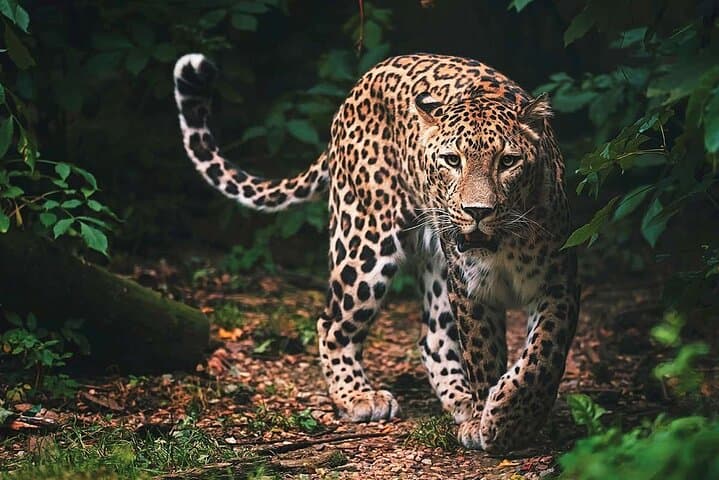
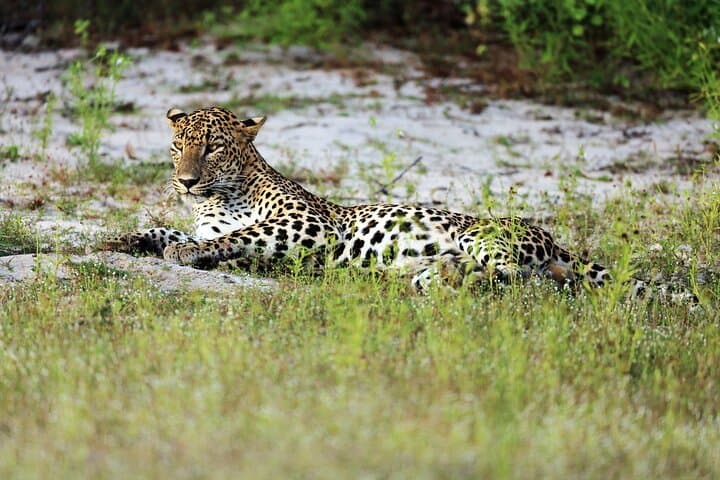
Head into Sri Lanka’s largest national park to watch leopards, sambar and a network of natural willus that concentrate wildlife across a low, dry plain. This full-day safari from Anuradhapura or Negombo combines long, bumpy jeep game drives with focused predator watching during sunrise and dusk.
Head into Sri Lanka’s largest national park to watch leopards, sambar and a network of natural willus that concentrate wildlife across a low, dry plain. This full-day safari from Anuradhapura or Negombo combines long, bumpy jeep game drives with focused predator watching during sunrise and dusk.
A dawn jeep rolls over dusty service tracks and a low, wide plain opens—shallow, sand-rimmed basins (willus) catch the first slow light like scattered mirrors. Birds flash up from reed edges, a bellow of gaur echoes across the plain, and the driver eases toward a distant tree where shadows move with the deliberate patience of a leopard.
Verified experiences and guided adventures in the surrounding area.
Operated by Travceylon Leisure · Anuradhapura, North Western Province
A dawn jeep rolls over dusty service tracks and a low, wide plain opens—shallow, sand-rimmed basins (willus) catch the first slow light like scattered mirrors. Birds flash up from reed edges, a bellow of gaur echoes across the plain, and the driver eases toward a distant tree where shadows move with the deliberate patience of a leopard.
Wilpattu is Sri Lanka’s largest and one of its oldest parks, covering about 1,317 km² and sitting mostly under 152 meters elevation. The landscape is defined by roughly 100 natural willus, remnants of the island’s geology and seasonal rainfall patterns that concentrate wildlife around shrinking water in the dry months. Historically the park has been a key refuge for the island’s dry-zone fauna; camera surveys in recent years recorded dozens of individual leopards here, making it a top site for big-cat viewing outside the southern parks.
Culturally, the surrounding districts balance fishing villages, tank-irrigated paddy fields and ancient Anuradhapura’s Buddhist heritage—so a safari often pairs wildlife with regional history and lengthy road transfers from hubs like Anuradhapura or Negombo.
Practical guidance: safaris run in open 4x4 vehicles, expect bumpy tracks and long days (6–10 hours). Dawn and late afternoon are best for predator activity. Bring binoculars, ample water, sun protection and neutral clothing, and be ready for muddy sections in the monsoon. Respect park rules, keep distance from animals, and prioritize quiet observation—Wilpattu rewards patience with moments other parks rarely deliver.
moderate.
6–10 hours.
Moderate level of fitness recommended—mostly vehicle-based but expect long days, short walks, and jolting rides.
Expect a full day: pickups typically start early and total time is 6–10 hours including transfer and park time, with around 4 hours inside the park.
No—Wilpattu has a strong leopard population and good sighting odds, but wildlife is unpredictable; mornings and evenings improve chances.
Most operators accept children but conditions include bumpy rides and long hours—check age restrictions with your provider and ensure car seats if needed.
Drive tracks can be rough and occasionally muddy; minimal walking is required but be prepared for jolting vehicle rides and brief off-road approaches.
Wilpattu has long been an important dry-zone refuge; its willus and lowland ecology supported local communities and seasonal migrations for centuries.
Park management focuses on protecting leopard habitat and water resources; visitors should stick to tracks, avoid feeding wildlife and minimize vehicle disturbance.
Travceylon Leisure operates guided outdoor trips and adventures with an emphasis on safety, stewardship, and memorable experiences.

A dawn jeep rolls over dusty service tracks and a low, wide plain opens—shallow, sand-rimmed basins (willus) catch the first slow light like scattered mirrors. Birds flash up from reed edges, a bellow of gaur echoes across the plain, and the driver eases toward a distant tree where shadows move with the deliberate patience of a leopard.
A dawn jeep rolls over dusty service tracks and a low, wide plain opens—shallow, sand-rimmed basins (willus) catch the first slow light like scattered mirrors. Birds flash up from reed edges, a bellow of gaur echoes across the plain, and the driver eases toward a distant tree where shadows move with the deliberate patience of a leopard.
Wilpattu is Sri Lanka’s largest and one of its oldest parks, covering about 1,317 km² and sitting mostly under 152 meters elevation. The landscape is defined by roughly 100 natural willus, remnants of the island’s geology and seasonal rainfall patterns that concentrate wildlife around shrinking water in the dry months. Historically the park has been a key refuge for the island’s dry-zone fauna; camera surveys in recent years recorded dozens of individual leopards here, making it a top site for big-cat viewing outside the southern parks.
Culturally, the surrounding districts balance fishing villages, tank-irrigated paddy fields and ancient Anuradhapura’s Buddhist heritage—so a safari often pairs wildlife with regional history and lengthy road transfers from hubs like Anuradhapura or Negombo.
Practical guidance: safaris run in open 4x4 vehicles, expect bumpy tracks and long days (6–10 hours). Dawn and late afternoon are best for predator activity. Bring binoculars, ample water, sun protection and neutral clothing, and be ready for muddy sections in the monsoon. Respect park rules, keep distance from animals, and prioritize quiet observation—Wilpattu rewards patience with moments other parks rarely deliver.