THE ADVENTURE COLLECTIVE® · Independent discovery and booking for outdoor travel

Spend four focused hours in Sri Lanka’s largest national park with a naturalist guide. Expect sand‑rimmed willus, diverse dry‑zone birdlife, and a strong chance of seeing leopards and other large mammals.
Spend four focused hours in Sri Lanka’s largest national park with a naturalist guide. Expect sand‑rimmed willus, diverse dry‑zone birdlife, and a strong chance of seeing leopards and other large mammals.
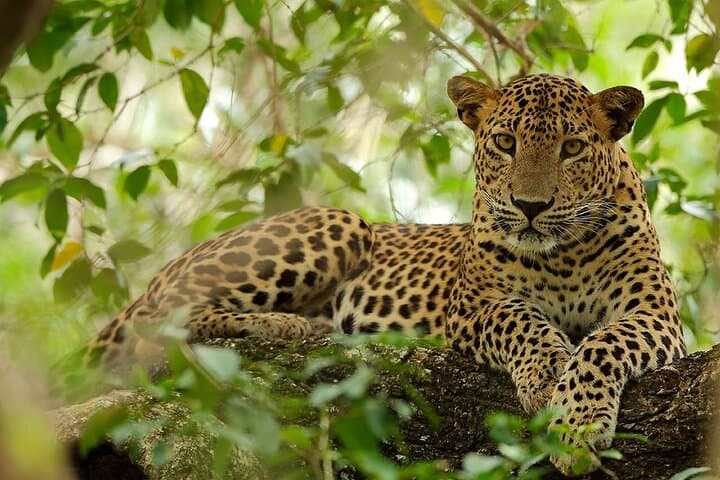
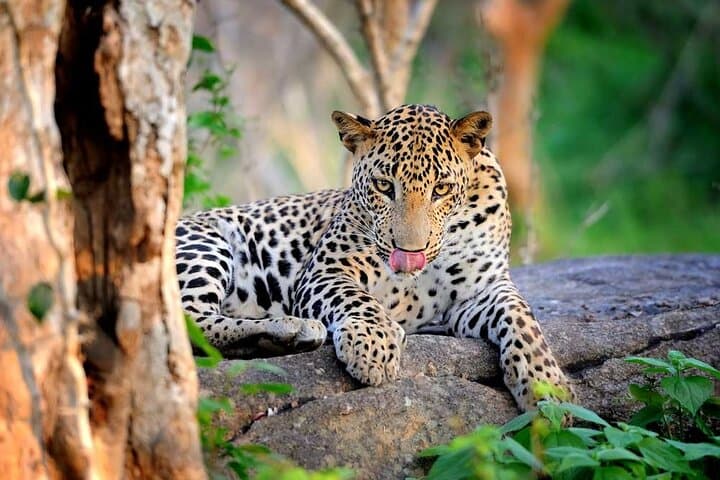
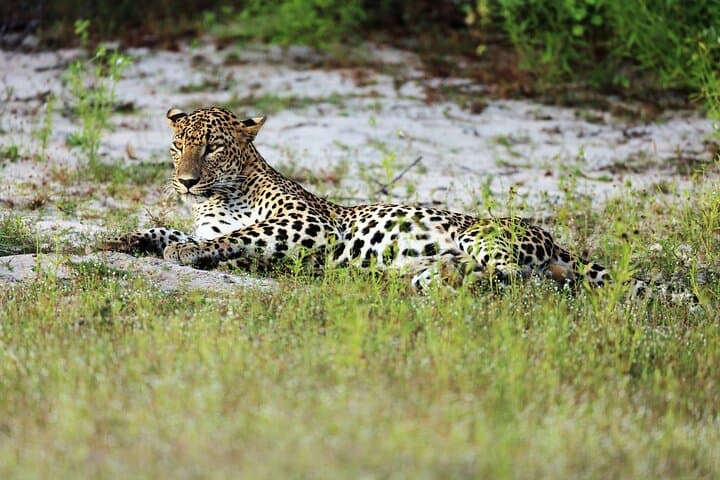
Dawn arrives slow and bright over the lowland scrub of Wilpattu, and the first willus catch the light like shallow mirrors. A private safari jeep rumbles across flat sandy tracks, the driver easing you past sand-rimmed water basins while a naturalist points out fresh tracks—paw prints, antelope trails, the neat scars of jackals. The park’s vastness is felt in long, open views and in the sudden intimacy of spotting a leopard lounging in a shady bush.
Verified experiences and guided adventures in the surrounding area.
Operated by Travceylon Leisure · Anuradhapura, North Western Province
Dawn arrives slow and bright over the lowland scrub of Wilpattu, and the first willus catch the light like shallow mirrors. A private safari jeep rumbles across flat sandy tracks, the driver easing you past sand-rimmed water basins while a naturalist points out fresh tracks—paw prints, antelope trails, the neat scars of jackals. The park’s vastness is felt in long, open views and in the sudden intimacy of spotting a leopard lounging in a shady bush.
Wilpattu is Sri Lanka’s largest and one of its oldest national parks, stretching across roughly 1,317 km² and ranging from sea level to about 152 meters. Its defining geology is a low coastal plain punctuated by nearly 106 natural willus—temporary lakes that shape where wildlife gathers. Cultural routes run nearby; visitors often combine a safari here with visits to Anuradhapura’s ancient stupas.
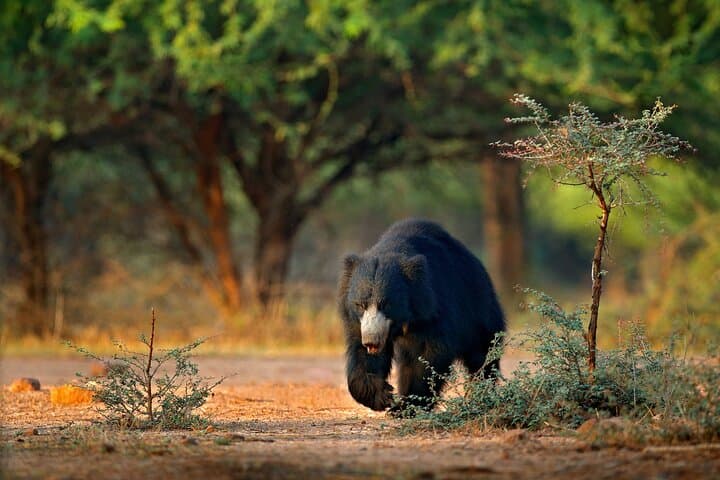
On a shorter 4-hour drive you’ll concentrate on birdlife, water-edge sightings, and the park’s legendary leopard population—camera-trap surveys identified dozens of individuals—rather than long treks. Expect dusty tracks, intermittent shade, and sudden wildlife encounters; the naturalist’s knowledge of recent signs is the key to locating predators.
Practical notes: morning slots offer the best light and active animals; bring sun protection, binoculars, and a camera with a telephoto lens. Vehicles are 4x4 safari jeeps; follow your guide’s instructions for safe viewing distances. Hydrate before and during the drive, respect park rules, and be prepared for bumpy roads—Wilpattu rewards patience with rare, memorable sightings.
easy.
3 hours.
Suitable for most fitness levels; the experience is vehicle-based with minimal walking.
Wilpattu has a healthy leopard population and recent surveys identified many individuals, but sightings aren’t guaranteed; a knowledgeable naturalist and early morning timing improve chances.
Yes—safaris are vehicle-based and the tour is rated easy; however, inform the operator of any mobility concerns so they can accommodate seating and pickup needs.
Light, neutral-colored clothing, a hat, sunscreen, insect repellent, a water bottle, and binoculars or camera equipment are recommended.
This tour typically includes the private jeep, naturalist guide, and transport; confirm whether park entrance fees are covered when you book.
Wilpattu sits between the Puttalam and Anuradhapura districts and has long been part of local livelihoods; nearby ancient cities like Anuradhapura offer a cultural counterpoint to the park’s wilderness.
Ongoing camera‑trap research and local conservation trusts monitor leopard populations; visitors can help by following park rules and minimizing noise and waste.
Travceylon Leisure operates guided outdoor trips and adventures with an emphasis on safety, stewardship, and memorable experiences.
Dawn arrives slow and bright over the lowland scrub of Wilpattu, and the first willus catch the light like shallow mirrors. A private safari jeep rumbles across flat sandy tracks, the driver easing you past sand-rimmed water basins while a naturalist points out fresh tracks—paw prints, antelope trails, the neat scars of jackals. The park’s vastness is felt in long, open views and in the sudden intimacy of spotting a leopard lounging in a shady bush.
Dawn arrives slow and bright over the lowland scrub of Wilpattu, and the first willus catch the light like shallow mirrors. A private safari jeep rumbles across flat sandy tracks, the driver easing you past sand-rimmed water basins while a naturalist points out fresh tracks—paw prints, antelope trails, the neat scars of jackals. The park’s vastness is felt in long, open views and in the sudden intimacy of spotting a leopard lounging in a shady bush.
Wilpattu is Sri Lanka’s largest and one of its oldest national parks, stretching across roughly 1,317 km² and ranging from sea level to about 152 meters. Its defining geology is a low coastal plain punctuated by nearly 106 natural willus—temporary lakes that shape where wildlife gathers. Cultural routes run nearby; visitors often combine a safari here with visits to Anuradhapura’s ancient stupas.
On a shorter 4-hour drive you’ll concentrate on birdlife, water-edge sightings, and the park’s legendary leopard population—camera-trap surveys identified dozens of individuals—rather than long treks. Expect dusty tracks, intermittent shade, and sudden wildlife encounters; the naturalist’s knowledge of recent signs is the key to locating predators.
Practical notes: morning slots offer the best light and active animals; bring sun protection, binoculars, and a camera with a telephoto lens. Vehicles are 4x4 safari jeeps; follow your guide’s instructions for safe viewing distances. Hydrate before and during the drive, respect park rules, and be prepared for bumpy roads—Wilpattu rewards patience with rare, memorable sightings.