THE ADVENTURE COLLECTIVE® · Independent discovery and booking for outdoor travel

Head into Wilpattu’s pre-dawn hush for a half-day safari from Anuradhapura—where shallow villus and scrub converge into prime leopard and elephant habitat. Expect bumpy tracks, expert local guides, and concentrated wildlife viewing in the park’s early hours.
Head into Wilpattu’s pre-dawn hush for a half-day safari from Anuradhapura—where shallow villus and scrub converge into prime leopard and elephant habitat. Expect bumpy tracks, expert local guides, and concentrated wildlife viewing in the park’s early hours.
The jeep creaks off the track as pale light slides across shallow villus; water mirrors the sky and a distant silhouette lifts its head—this is Wilpattu at first light.
Verified experiences and guided adventures in the surrounding area.
Operated by Ceylon Travel Dream · Anuradhapura, North Central Province
The jeep creaks off the track as pale light slides across shallow villus; water mirrors the sky and a distant silhouette lifts its head—this is Wilpattu at first light.
Wilpattu is one of Sri Lanka’s oldest protected areas, a place defined by its villus (seasonal lakes), coppery loams and a patchwork of scrub, grassland and forest. The park’s edge meets human history too: scattered ruins and ancient travel routes run near its perimeter, reminders that people and wildlife have long shared this landscape.
Geologically simple but ecologically complex, the villus collect rain and runoff, creating dry-season oases that concentrate wildlife. That concentration is why early-morning safaris—when predators like the Sri Lankan leopard are most active—have the best chance of sightings. Guides read tracks and use local knowledge to move quietly through the park’s western scrub and central wetlands, where elephants, deer and dozens of bird species gather.
Practically: tours launch before dawn from Anuradhapura and run 6–7 hours including transfers. Expect bumpy, slow stretches; vehicles are open-sided for viewing and photography. Dress in layers for cool mornings, bring sunscreen, binoculars and water, and keep camera settings ready for low light. Respect the guide’s distance advice—wildlife viewing is best when animals set the pace.
A Wilpattu half-day safari delivers concentrated wildlife time with a note of wilderness unpredictability: be prepared to wait, watch, and move with the rhythm of the park.
moderate.
6–7 hours.
Light to moderate fitness for short entry walks and handling bumpy vehicle rides; able to get in/out of a high-clearance jeep.
Most half-day safaris depart around 5:00 AM and run about 6–7 hours including transfers to and from Anuradhapura.
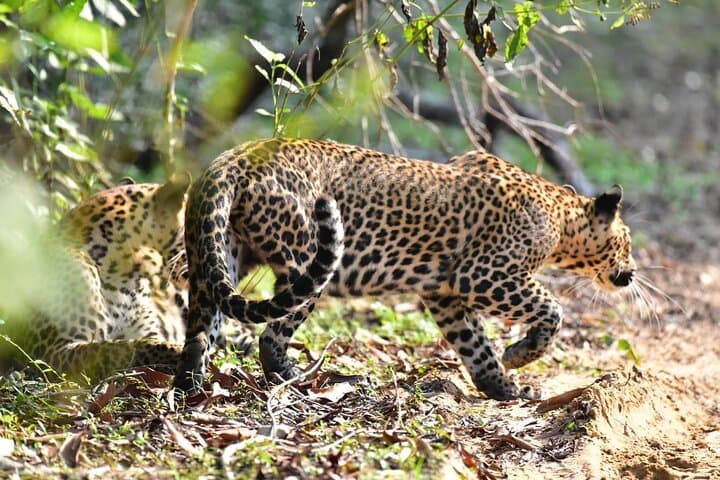
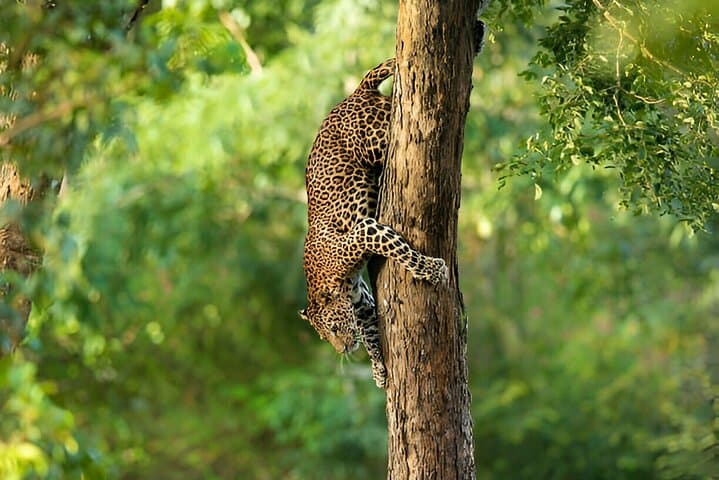
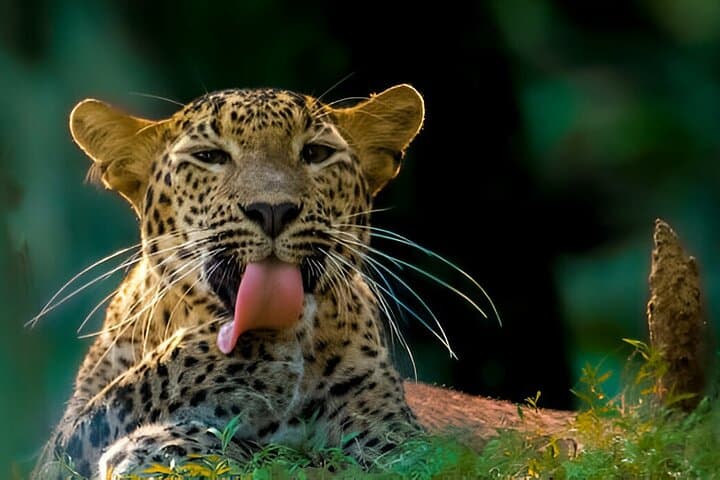
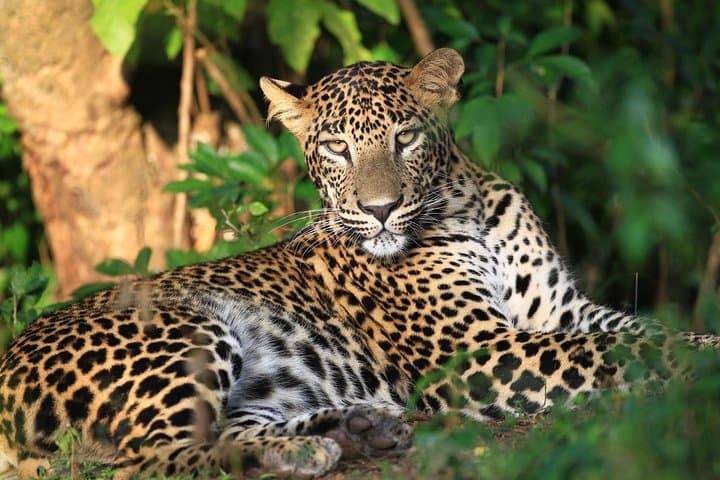
Wilpattu has a healthy leopard population and early mornings improve chances, but sightings are never guaranteed—patience and a knowledgeable guide increase your odds.
Open-sided jeeps and bumpy tracks can be challenging; children and older guests should assess mobility and follow guide safety advice—not recommended for those with spinal or serious heart issues.
Tours typically handle permits and park fees; confirm at booking whether entrance and guide fees are included in the price.
Wilpattu is among Sri Lanka’s oldest protected areas and sits near cultural routes and small ruins that show long-term human presence on the island’s dry zone.
The park faces pressure from development and past access restrictions during the civil conflict; responsible tourism helps finance patrols and reduces human-wildlife conflict when visitors follow park rules.
Ceylon Travel Dream operates guided outdoor trips and adventures with an emphasis on safety, stewardship, and memorable experiences.
The jeep creaks off the track as pale light slides across shallow villus; water mirrors the sky and a distant silhouette lifts its head—this is Wilpattu at first light.
The jeep creaks off the track as pale light slides across shallow villus; water mirrors the sky and a distant silhouette lifts its head—this is Wilpattu at first light.
Wilpattu is one of Sri Lanka’s oldest protected areas, a place defined by its villus (seasonal lakes), coppery loams and a patchwork of scrub, grassland and forest. The park’s edge meets human history too: scattered ruins and ancient travel routes run near its perimeter, reminders that people and wildlife have long shared this landscape.
Geologically simple but ecologically complex, the villus collect rain and runoff, creating dry-season oases that concentrate wildlife. That concentration is why early-morning safaris—when predators like the Sri Lankan leopard are most active—have the best chance of sightings. Guides read tracks and use local knowledge to move quietly through the park’s western scrub and central wetlands, where elephants, deer and dozens of bird species gather.
Practically: tours launch before dawn from Anuradhapura and run 6–7 hours including transfers. Expect bumpy, slow stretches; vehicles are open-sided for viewing and photography. Dress in layers for cool mornings, bring sunscreen, binoculars and water, and keep camera settings ready for low light. Respect the guide’s distance advice—wildlife viewing is best when animals set the pace.
A Wilpattu half-day safari delivers concentrated wildlife time with a note of wilderness unpredictability: be prepared to wait, watch, and move with the rhythm of the park.