THE ADVENTURE COLLECTIVE® · Independent discovery and booking for outdoor travel

Spend a night at a lakeside tent just outside Wilpattu National Park with private game drives, night and morning walks, and a hands‑on cooking lesson. This short glamping safari concentrates wildlife viewing and practical, small‑group camping comforts into an accessible 48‑hour escape.
Spend a night at a lakeside tent just outside Wilpattu National Park with private game drives, night and morning walks, and a hands‑on cooking lesson. This short glamping safari concentrates wildlife viewing and practical, small‑group camping comforts into an accessible 48‑hour escape.
You arrive as the light slants low across a shallow villu; water mirrors the sky and a dry‑zone forest breathes around the campsite. Tents sit a stone’s throw from a lakeshore that edges Wilpattu National Park, and night sounds—frog calls, distant rustles—remind you the boundary between camp and wilderness is thin.
Verified experiences and guided adventures in the surrounding area.
Operated by Sri Lanka Day Tours · Wilpattu (camp area), North Western Province
You arrive as the light slants low across a shallow villu; water mirrors the sky and a dry‑zone forest breathes around the campsite. Tents sit a stone’s throw from a lakeshore that edges Wilpattu National Park, and night sounds—frog calls, distant rustles—remind you the boundary between camp and wilderness is thin.
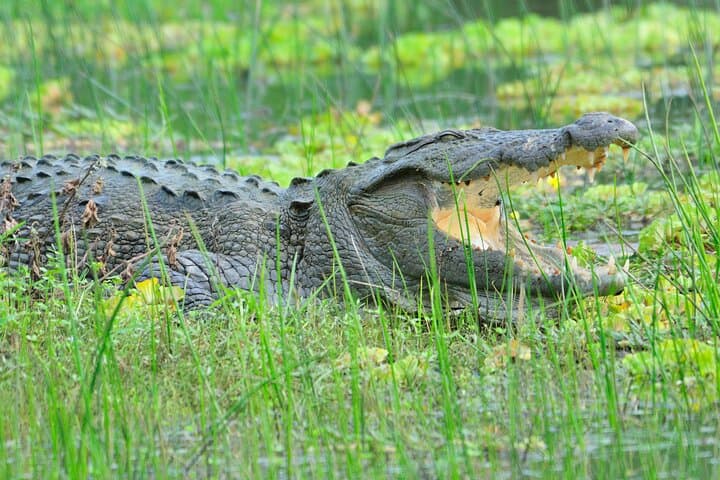
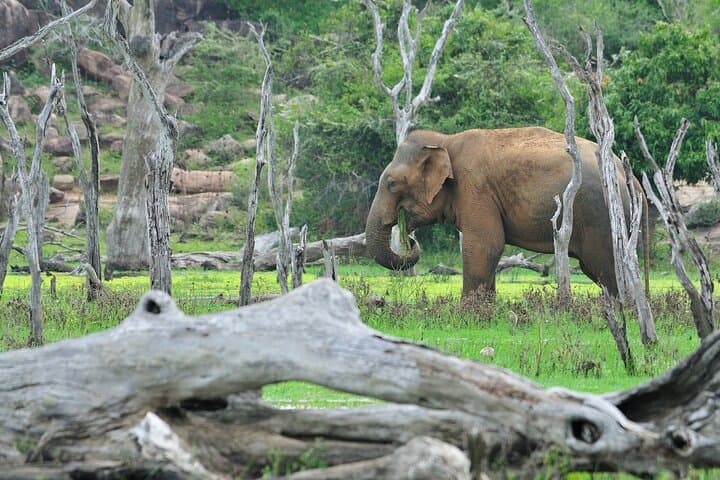
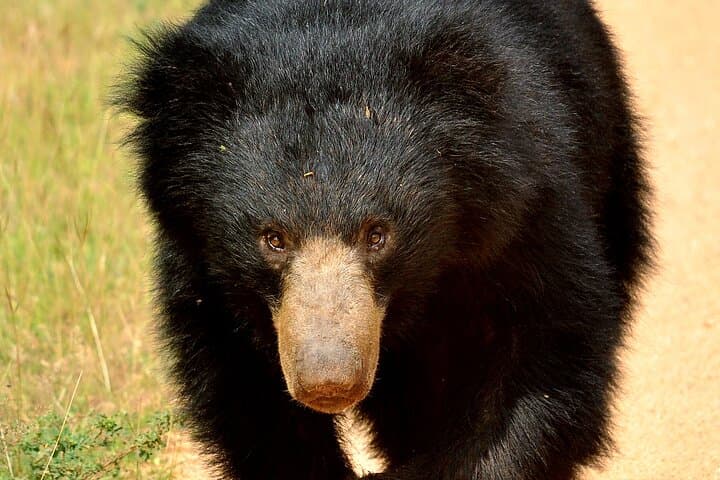
Wilpattu takes its name from the villus, the seasonal floodplain lakes that shape habitat here. The park protects lowland scrub, ancient sand dunes and a mosaic of freshwater basins that concentrate wildlife: elephants moving in long lines, spotted deer on the grass, and raptors circling overhead. The human history around Wilpattu stretches from Sinhala settlements to colonial cartography; today local guides read the landscape the way elders once read stars.
Practicalities anchor the romance. The camp sits about 7 km from the park entrance—roughly a 5–10 minute drive—so safari windows are timed for golden hours. Expect an evening game drive, a guided night walk, a morning nature walk with a cooking lesson back at camp, and meals served alfresco by the lake. Tents are simple, campfires are central, and wildlife occasionally wanders the camp perimeter.
Pack light layers for temperature swings, insect protection for dusk, and a good pair of binoculars. Fitness demands are moderate: short walks and vehicle safaris rather than long treks, but the terrain is uneven and night activity increases sensory exposure. If you’re drawn to big mammals, birding and an intimate small‑group camp experience, this two‑day glamping safari delivers a close, practical encounter with Sri Lanka’s dry forest life.
moderate.
1–2 days.
Moderate fitness for short walks and getting on/off safari vehicles; not strenuous but uneven ground and night activity require mobility.
The campsite is approximately 7 km from the park entrance, a roughly 5–10 minute drive depending on road conditions.
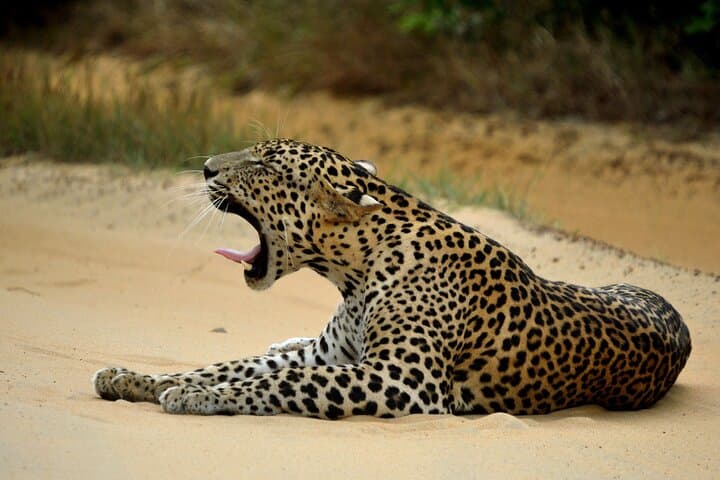
Sightings are never guaranteed, but Wilpattu’s mosaic of villus and scrub concentrates wildlife—elephants and deer are common; leopard sightings are possible but less frequent.
Accommodation is tented safari camp with basic comforts, campfires and shared dining—comfortable but not luxury resort standards.
Night walks are guided by experienced staff; they follow safety protocols but are not recommended for guests with mobility or serious health issues.
Wilpattu’s landscape and the villu system have shaped local settlement and traditional fishing practices for centuries; the park’s modern boundaries were set during 20th‑century conservation efforts.
Wilpattu faces pressures from human‑wildlife conflict and seasonal tourism; low‑impact camping and guided drives help reduce disturbance and concentrate visitor impact.
Sri Lanka Day Tours operates guided outdoor trips and adventures with an emphasis on safety, stewardship, and memorable experiences.
You arrive as the light slants low across a shallow villu; water mirrors the sky and a dry‑zone forest breathes around the campsite. Tents sit a stone’s throw from a lakeshore that edges Wilpattu National Park, and night sounds—frog calls, distant rustles—remind you the boundary between camp and wilderness is thin.
You arrive as the light slants low across a shallow villu; water mirrors the sky and a dry‑zone forest breathes around the campsite. Tents sit a stone’s throw from a lakeshore that edges Wilpattu National Park, and night sounds—frog calls, distant rustles—remind you the boundary between camp and wilderness is thin.
Wilpattu takes its name from the villus, the seasonal floodplain lakes that shape habitat here. The park protects lowland scrub, ancient sand dunes and a mosaic of freshwater basins that concentrate wildlife: elephants moving in long lines, spotted deer on the grass, and raptors circling overhead. The human history around Wilpattu stretches from Sinhala settlements to colonial cartography; today local guides read the landscape the way elders once read stars.
Practicalities anchor the romance. The camp sits about 7 km from the park entrance—roughly a 5–10 minute drive—so safari windows are timed for golden hours. Expect an evening game drive, a guided night walk, a morning nature walk with a cooking lesson back at camp, and meals served alfresco by the lake. Tents are simple, campfires are central, and wildlife occasionally wanders the camp perimeter.
Pack light layers for temperature swings, insect protection for dusk, and a good pair of binoculars. Fitness demands are moderate: short walks and vehicle safaris rather than long treks, but the terrain is uneven and night activity increases sensory exposure. If you’re drawn to big mammals, birding and an intimate small‑group camp experience, this two‑day glamping safari delivers a close, practical encounter with Sri Lanka’s dry forest life.