THE ADVENTURE COLLECTIVE® · Independent discovery and booking for outdoor travel

Spend a full day in Wilpattu National Park from Negombo, exploring villu lakes and open plains in search of leopards, waterbirds and marsh wildlife. This all-inclusive safari includes park entrance, jeep, packed meals and hotel transfer for a long but richly rewarding day in Sri Lanka’s largest park.
Spend a full day in Wilpattu National Park from Negombo, exploring villu lakes and open plains in search of leopards, waterbirds and marsh wildlife. This all-inclusive safari includes park entrance, jeep, packed meals and hotel transfer for a long but richly rewarding day in Sri Lanka’s largest park.
Dawn arrives long before the highway thins and the jeep's engine lowers its voice; the scrub and low thorn forest of Wilpattu sit like a waiting audience as you cross the park boundary. Early light picks out mottled hides and the shine on still water in the park’s characteristic villu basins as the driver steers toward open plains where leopards are most often seen.
Verified experiences and guided adventures in the surrounding area.
Operated by Overa Tours · Puttalam, North Western Province
Dawn arrives long before the highway thins and the jeep's engine lowers its voice; the scrub and low thorn forest of Wilpattu sit like a waiting audience as you cross the park boundary. Early light picks out mottled hides and the shine on still water in the park’s characteristic villu basins as the driver steers toward open plains where leopards are most often seen.
Wilpattu is Sri Lanka’s largest national park and one of the island’s older protected areas. Its name comes from the Tamil word for the park’s distinctive villus—shallow lakes that swell and drain with the seasons—shaping habitat for birds, crocodiles and the island’s second-highest leopard density after Yala. Geologically, the flat coastal plain gives way to seasonal marshes that attract migratory and resident waterfowl; culturally, the park lies near traditional fishing and agricultural communities whose histories interlink with the western coastline.
Practical guidance is plain: expect a very early pickup (around 04:00) from Negombo, a long day in an open safari jeep, and included packed breakfast and lunch with water and refreshments. Wear breathable, neutral clothing; bring sun protection, a good pair of binoculars and a camera with a telephoto lens. Park rules are strict—keep windows closed when animals are near and stay with your guide. Hydration and insect repellent matter as much as patience; wildlife sightings reward quiet observation.
A day here is slow rhythm and sudden motion—an ecosystem that tests your attention and rewards it with close views of leopards, waterbirds and marshlife.
easy.
10–14 hours.
Suitable for travelers in average physical condition; largely passive since most wildlife viewing is from a vehicle, but expect long periods seated and some uneven ground during stops.
The full-day tour typically starts with a very early pickup (around 04:00) and returns to Negombo in the late afternoon or early evening—plan for roughly 10–14 hours total including transfers.
Yes—this all-inclusive option lists park entrance fees, the safari jeep, packed breakfast and lunch, and bottled water as included items.
Wilpattu hosts high leopard density, plus sloth bear, water buffalo, spotted deer, mugger crocodile and a rich array of water and shore birds that use the villu systems.
Infants must sit on laps; the tour is not recommended for pregnant travelers or people with serious back or heart conditions—check with the operator when booking.
Wilpattu’s protected status dates back to early 20th-century conservation efforts; its villu ecology has long supported local fishing communities along the western coast.
Visitor numbers are lower than at Yala, helping reduce disturbance; follow guide instructions to limit impact—avoid littering, maintain vehicle distances and support local conservation fees when available.
Overa Tours operates guided outdoor trips and adventures with an emphasis on safety, stewardship, and memorable experiences.
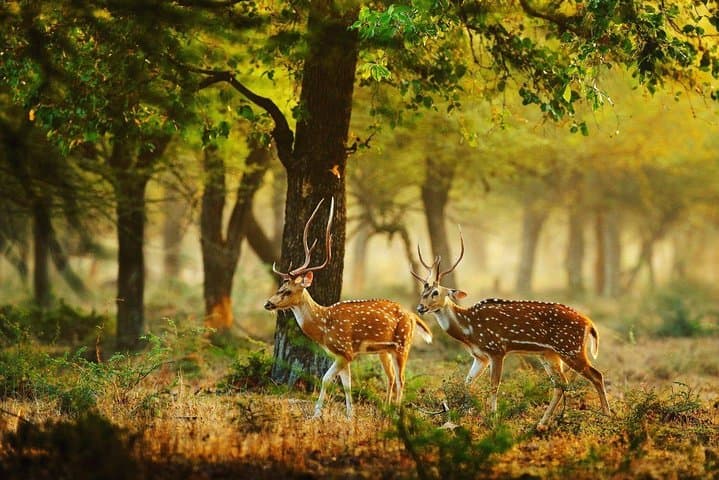


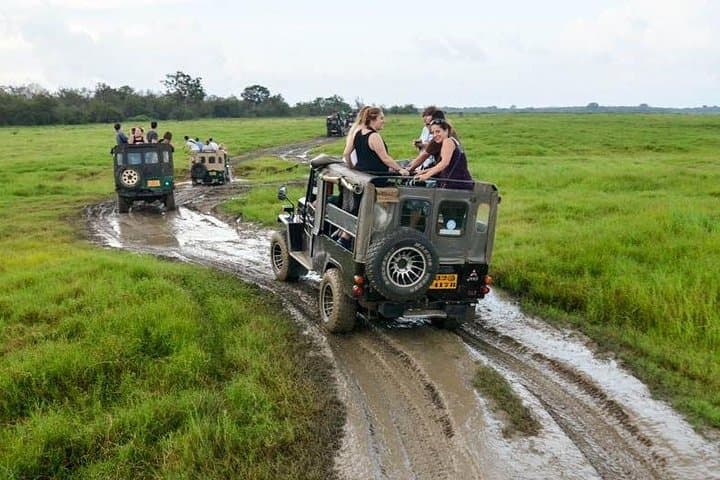
Dawn arrives long before the highway thins and the jeep's engine lowers its voice; the scrub and low thorn forest of Wilpattu sit like a waiting audience as you cross the park boundary. Early light picks out mottled hides and the shine on still water in the park’s characteristic villu basins as the driver steers toward open plains where leopards are most often seen.
Dawn arrives long before the highway thins and the jeep's engine lowers its voice; the scrub and low thorn forest of Wilpattu sit like a waiting audience as you cross the park boundary. Early light picks out mottled hides and the shine on still water in the park’s characteristic villu basins as the driver steers toward open plains where leopards are most often seen.
Wilpattu is Sri Lanka’s largest national park and one of the island’s older protected areas. Its name comes from the Tamil word for the park’s distinctive villus—shallow lakes that swell and drain with the seasons—shaping habitat for birds, crocodiles and the island’s second-highest leopard density after Yala. Geologically, the flat coastal plain gives way to seasonal marshes that attract migratory and resident waterfowl; culturally, the park lies near traditional fishing and agricultural communities whose histories interlink with the western coastline.
Practical guidance is plain: expect a very early pickup (around 04:00) from Negombo, a long day in an open safari jeep, and included packed breakfast and lunch with water and refreshments. Wear breathable, neutral clothing; bring sun protection, a good pair of binoculars and a camera with a telephoto lens. Park rules are strict—keep windows closed when animals are near and stay with your guide. Hydration and insect repellent matter as much as patience; wildlife sightings reward quiet observation.
A day here is slow rhythm and sudden motion—an ecosystem that tests your attention and rewards it with close views of leopards, waterbirds and marshlife.