THE ADVENTURE COLLECTIVE® · Independent discovery and booking for outdoor travel

Walk Wilmington’s downtown to follow the city’s World War II story—from USO halls and airplane tracking centers to shipyards that powered the war effort. This 90‑minute accessible tour blends civic history with local anecdotes and practical tips for the walk.
Walk Wilmington’s downtown to follow the city’s World War II story—from USO halls and airplane tracking centers to shipyards that powered the war effort. This 90‑minute accessible tour blends civic history with local anecdotes and practical tips for the walk.
You step off Market Street into the sound of conversations and distant harbor traffic, the Cape Fear River keeping its own slow rhythm as it pushes stories toward the sea. Cobblestone sidewalks, brick façades and the occasional factory smokestack frame a 90‑minute walk that maps Wilmington’s transformation from a regional port to one of America’s first World War II Heritage Cities.
Verified experiences and guided adventures in the surrounding area.
Operated by Triangle Walking Tours: Greensboro · Wilmington, North Carolina
You step off Market Street into the sound of conversations and distant harbor traffic, the Cape Fear River keeping its own slow rhythm as it pushes stories toward the sea. Cobblestone sidewalks, brick façades and the occasional factory smokestack frame a 90‑minute walk that maps Wilmington’s transformation from a regional port to one of America’s first World War II Heritage Cities.
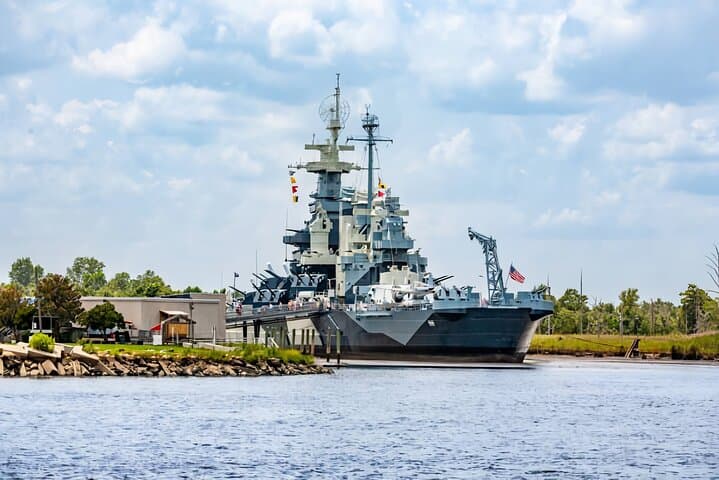
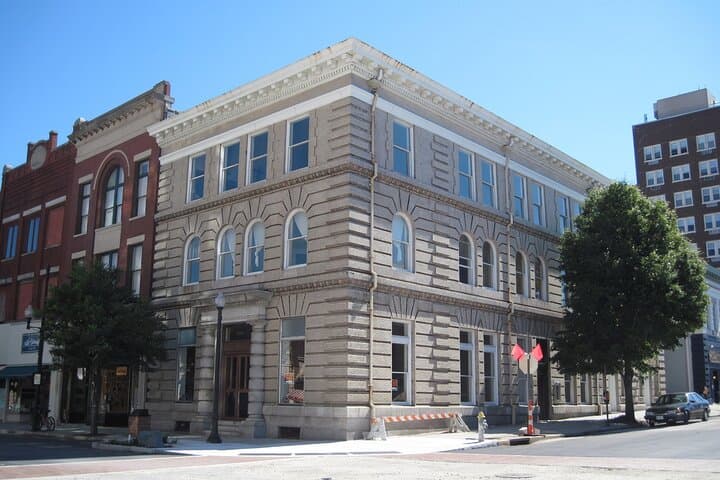
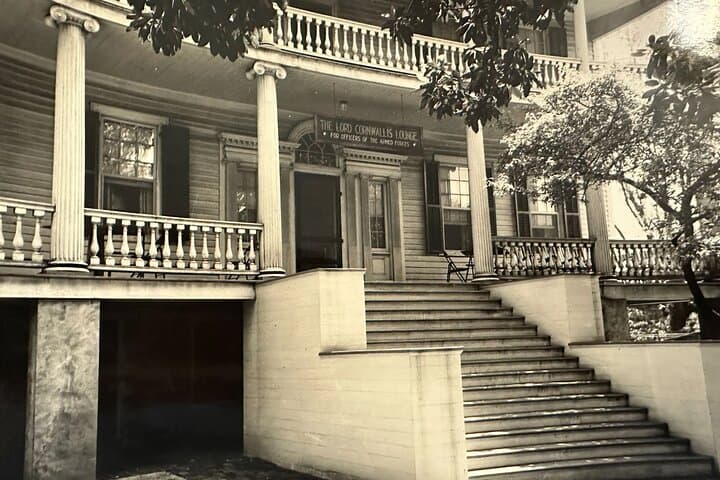
On this route you’ll trace wartime logistics and homefront life: a restored USO where soldiers danced between deployments; the Office of Price Administration that smoothed civilian shortages through ration books; a former post office turned airplane‑tracking hub; and the Acme Chemical building tied to wartime production and POW labor. The tour pauses with an account of the Battleship North Carolina—its construction, convoy missions, and the shipyard economy that fed communities here.
Geology and geography matter: the river’s deep channel made Wilmington a target and a logistical asset, while nearby barrier islands shaped coastal defense priorities. Local culture emerges in anecdotes—dockworker strikes, women entering the workforce, and memorials that keep those stories visible.
Practical guidance: meet outside Slice of Life Pizzeria & Pub in downtown Wilmington for a prompt start. The route is flat and wheelchair accessible, but expect 60–90 minutes of standing and walking on hard surfaces. Summer brings heat and humidity; mornings and late afternoons are cooler and quieter. Bring water, a brimmed hat, and comfortable shoes. Photography is welcomed, but show respect at memorials and private properties. The narrative is compact, historically grounded, and ideal for history buffs and curious travelers who want a clear, walkable introduction to America’s WWII homefront.
easy.
1.5 hours (90 minutes).
Suitable for most fitness levels; expect standing and modest walking on paved surfaces.
The guide meets outside Slice of Life Pizzeria & Pub in downtown Wilmington; the tour returns to the same area at the end.
Yes—this route is described as wheelchair accessible with mostly flat sidewalks and accessible surfaces.
The tour is rated easy: it’s a 90‑minute walking tour with frequent stops for storytelling and photo opportunities.
Full refunds are available if you cancel at least 24 hours before the scheduled departure time.
Wilmington was designated America’s first World War II Heritage City for its major wartime shipbuilding and industrial role, and for preserving significant homefront sites.
Local efforts focus on preserving historic structures and interpretive signage; visitors are encouraged to stay on sidewalks, avoid touching artifacts, and support local museums.
Triangle Walking Tours: Greensboro operates guided outdoor trips and adventures with an emphasis on safety, stewardship, and memorable experiences.
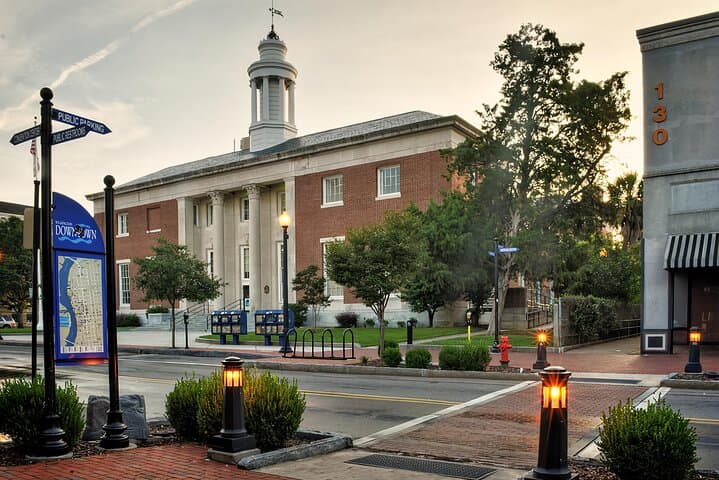
You step off Market Street into the sound of conversations and distant harbor traffic, the Cape Fear River keeping its own slow rhythm as it pushes stories toward the sea. Cobblestone sidewalks, brick façades and the occasional factory smokestack frame a 90‑minute walk that maps Wilmington’s transformation from a regional port to one of America’s first World War II Heritage Cities.
You step off Market Street into the sound of conversations and distant harbor traffic, the Cape Fear River keeping its own slow rhythm as it pushes stories toward the sea. Cobblestone sidewalks, brick façades and the occasional factory smokestack frame a 90‑minute walk that maps Wilmington’s transformation from a regional port to one of America’s first World War II Heritage Cities.
On this route you’ll trace wartime logistics and homefront life: a restored USO where soldiers danced between deployments; the Office of Price Administration that smoothed civilian shortages through ration books; a former post office turned airplane‑tracking hub; and the Acme Chemical building tied to wartime production and POW labor. The tour pauses with an account of the Battleship North Carolina—its construction, convoy missions, and the shipyard economy that fed communities here.
Geology and geography matter: the river’s deep channel made Wilmington a target and a logistical asset, while nearby barrier islands shaped coastal defense priorities. Local culture emerges in anecdotes—dockworker strikes, women entering the workforce, and memorials that keep those stories visible.
Practical guidance: meet outside Slice of Life Pizzeria & Pub in downtown Wilmington for a prompt start. The route is flat and wheelchair accessible, but expect 60–90 minutes of standing and walking on hard surfaces. Summer brings heat and humidity; mornings and late afternoons are cooler and quieter. Bring water, a brimmed hat, and comfortable shoes. Photography is welcomed, but show respect at memorials and private properties. The narrative is compact, historically grounded, and ideal for history buffs and curious travelers who want a clear, walkable introduction to America’s WWII homefront.