THE ADVENTURE COLLECTIVE® · Independent discovery and booking for outdoor travel

Walk Wilmington’s riverside streets with a lantern-bearing guide and hear the city’s darker chapters come alive. This one-hour walking tour pairs well-researched history with spooky stories at landmarks like Thalian Hall and the Riverwalk.
Walk Wilmington’s riverside streets with a lantern-bearing guide and hear the city’s darker chapters come alive. This one-hour walking tour pairs well-researched history with spooky stories at landmarks like Thalian Hall and the Riverwalk.
The lantern bobbing in the guide’s hand cuts through the humid river air as you step off Chestnut Street and into a lane of gaslit stories. Streetlight pools highlight ornate ironwork and brick facades while the Cape Fear River presses against the Riverwalk, its currents whispering like a crowd of unseen witnesses.
Verified experiences and guided adventures in the surrounding area.
Operated by Wilmington Ghosts · Wilmington, North Carolina
The lantern bobbing in the guide’s hand cuts through the humid river air as you step off Chestnut Street and into a lane of gaslit stories. Streetlight pools highlight ornate ironwork and brick facades while the Cape Fear River presses against the Riverwalk, its currents whispering like a crowd of unseen witnesses.
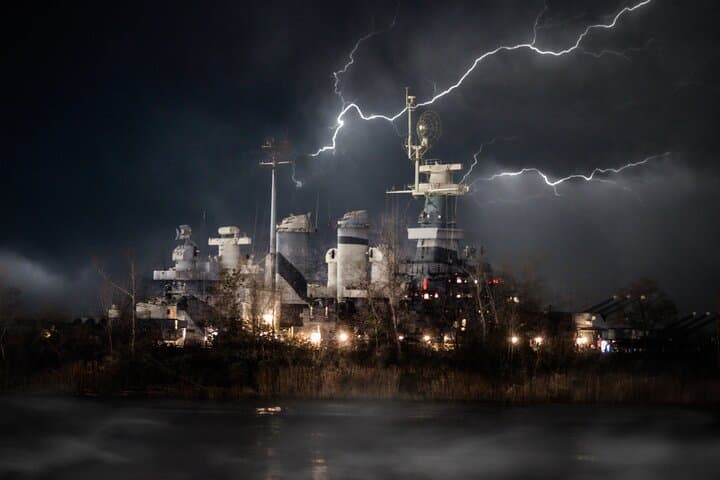
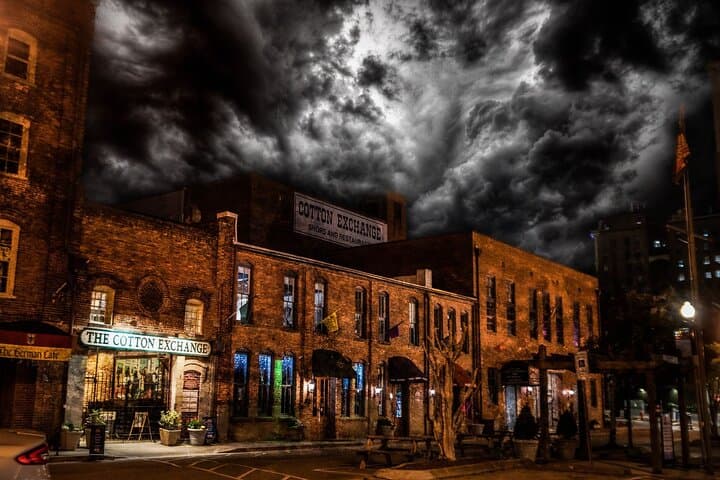
This hour-long, mile-ish walk threads together Wilmington’s 19th-century port history, Civil War-era tensions and maritime lore. Thalian Hall (1850s) and the Cotton Exchange recall a city built on trade, labor and the ebb of fortune — the same points of origin for rumors of restless figures and unexplained sounds. The route skirts converted warehouses, an old battleship hotel at Water Street Retreats, and Latimer House, ending with a final recounting of local oddities.
Geologically, the low-lying coastal plain means the trail is flat and paved; the river shapes the city’s cadence more than hills. Culturally, Wilmington blends southern hospitality and a working waterfront; many ghost stories are rooted in documented events, which local guides use to anchor the supernatural claims.
Practical guidance: arrive 15 minutes early (meeting point: outside Historic Thalian Hall at 310 Chestnut St.), wear closed-toe shoes for uneven sidewalks, and bring a light jacket — evenings by the river can cool quickly. The tour is wheelchair accessible and suitable for most fitness levels, but it’s a nighttime urban walk — stay aware of traffic and respect private property. For the full experience, plan for dinner after the tour at one of the waterfront restaurants and allow time to explore plaques and gallery windows that reveal quieter histories between the tall tales.
easy.
1 hour.
Suitable for most people; light walking on flat, paved surfaces with occasional stopping for stories
Yes—families with older children generally enjoy the tour, but content includes spooky historical events; stroller access is available on paved routes.
Tours typically proceed in light rain; check the operator’s policy at booking—full refunds are available if you cancel at least 24 hours prior.
Yes—the advertised route is wheelchair accessible; notify the operator of accessibility needs when booking so they can assist.
No—this is an outdoor walking tour focusing on public streets and exteriors; guides recount interior stories without entering private properties.
Wilmington grew into a major 18th–19th century port on the Cape Fear River; many ghost stories reference its maritime commerce, Civil War events, and 19th-century theater life.
Stay on designated sidewalks and respect historical facades; supporting local businesses after the tour helps sustain preservation efforts and keeps public interpretation alive.
Wilmington Ghosts operates guided outdoor trips and adventures with an emphasis on safety, stewardship, and memorable experiences.
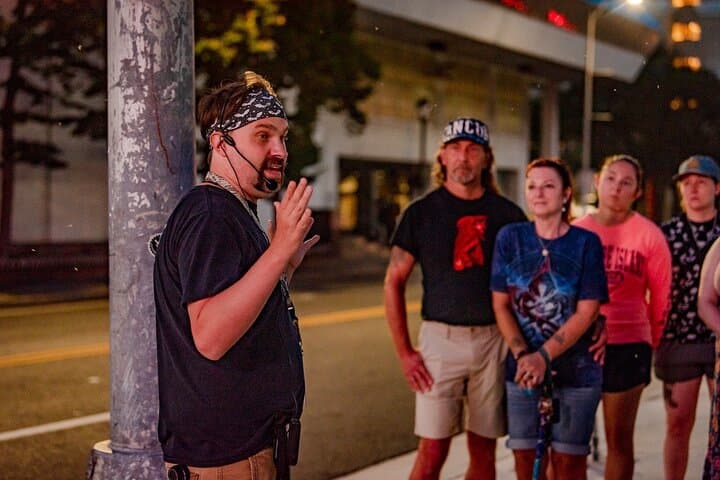
The lantern bobbing in the guide’s hand cuts through the humid river air as you step off Chestnut Street and into a lane of gaslit stories. Streetlight pools highlight ornate ironwork and brick facades while the Cape Fear River presses against the Riverwalk, its currents whispering like a crowd of unseen witnesses.
The lantern bobbing in the guide’s hand cuts through the humid river air as you step off Chestnut Street and into a lane of gaslit stories. Streetlight pools highlight ornate ironwork and brick facades while the Cape Fear River presses against the Riverwalk, its currents whispering like a crowd of unseen witnesses.
This hour-long, mile-ish walk threads together Wilmington’s 19th-century port history, Civil War-era tensions and maritime lore. Thalian Hall (1850s) and the Cotton Exchange recall a city built on trade, labor and the ebb of fortune — the same points of origin for rumors of restless figures and unexplained sounds. The route skirts converted warehouses, an old battleship hotel at Water Street Retreats, and Latimer House, ending with a final recounting of local oddities.
Geologically, the low-lying coastal plain means the trail is flat and paved; the river shapes the city’s cadence more than hills. Culturally, Wilmington blends southern hospitality and a working waterfront; many ghost stories are rooted in documented events, which local guides use to anchor the supernatural claims.
Practical guidance: arrive 15 minutes early (meeting point: outside Historic Thalian Hall at 310 Chestnut St.), wear closed-toe shoes for uneven sidewalks, and bring a light jacket — evenings by the river can cool quickly. The tour is wheelchair accessible and suitable for most fitness levels, but it’s a nighttime urban walk — stay aware of traffic and respect private property. For the full experience, plan for dinner after the tour at one of the waterfront restaurants and allow time to explore plaques and gallery windows that reveal quieter histories between the tall tales.