THE ADVENTURE COLLECTIVE® · Independent discovery and booking for outdoor travel

Walk Wilmington’s streets with a historian to trace the 1898 coup and massacre—sites of speeches, homes of victims and perpetrators, and the urban traces of a pivotal, traumatic moment in U.S. history. This 75-minute guided tour is educational, accessible, and emotionally frank.
Walk Wilmington’s streets with a historian to trace the 1898 coup and massacre—sites of speeches, homes of victims and perpetrators, and the urban traces of a pivotal, traumatic moment in U.S. history. This 75-minute guided tour is educational, accessible, and emotionally frank.
A narrow street off Market Street pulls you into Wilmington’s late-afternoon quiet: oaks shade brick sidewalks, the Cape Fear River watches from a distance, and the facades of old houses keep their stories close. On this 75-minute historian-led walking tour, the city’s polished storefronts and stately homes give way to sharper truths—sites where speeches were delivered, residences of victims and perpetrators, and corners where a community’s fate was decided.
Verified experiences and guided adventures in the surrounding area.
Operated by Triangle Walking Tours: Greensboro · Wilmington, North Carolina
A narrow street off Market Street pulls you into Wilmington’s late-afternoon quiet: oaks shade brick sidewalks, the Cape Fear River watches from a distance, and the facades of old houses keep their stories close. On this 75-minute historian-led walking tour, the city’s polished storefronts and stately homes give way to sharper truths—sites where speeches were delivered, residences of victims and perpetrators, and corners where a community’s fate was decided.
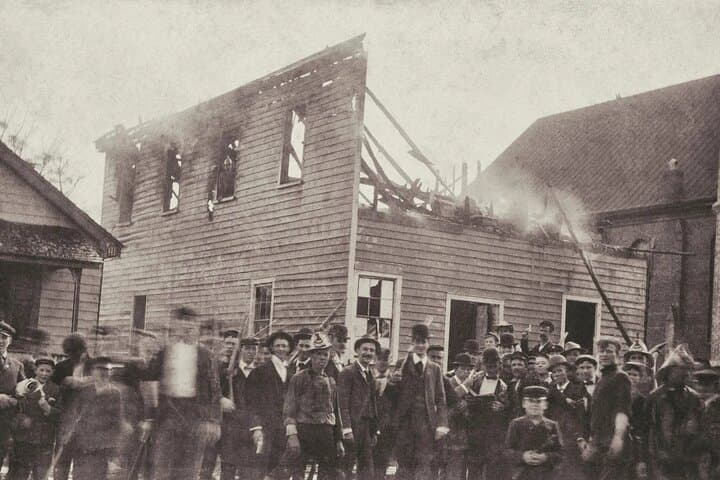
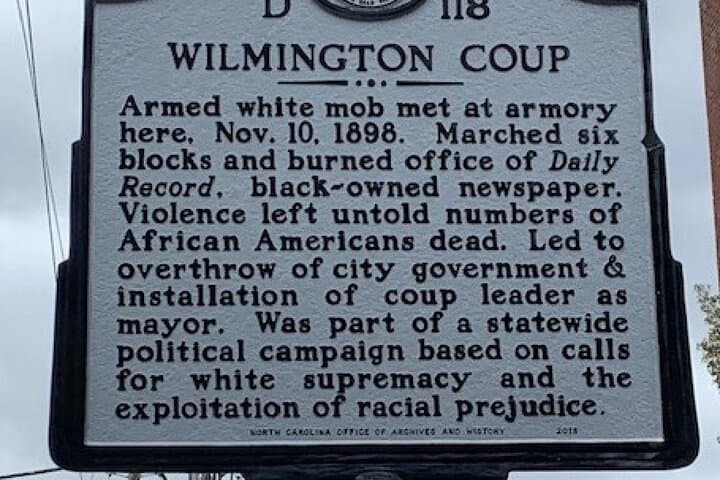
The 1898 Wilmington coup and massacre stands as the only successful coup d’état in U.S. history; its violence and forced removals reshaped local governance and demographics. Geologically, the low coastal plain and nearby river shaped settlement patterns and trade that made Wilmington strategically important in the late 19th century. Culturally, the tour traces how Reconstruction-era politics, press campaigns, and white supremacist organizations converged into organized violence.
Expect close-up looks at buildings with original 19th-century details, interpretive storytelling by a guide, and sobering accounts rather than celebratory monuments. The tone is educational and reflective—this is a civil-history urban walk, not a scenic hike.
Practical guidance: arrive 10 minutes early for orientation, wear comfortable walking shoes for paved surfaces, and bring water and a jacket for coastal breezes. The route is wheelchair- and stroller-accessible; the material can be emotionally heavy, so plan accordingly. Photography is typically allowed but be respectful at private residences and memorial sites. This tour is best in spring or fall for mild weather and quieter streets.
easy.
1–1.5 hours.
Suitable for most fitness levels; mainly standing and slow walking on flat, paved surfaces.
The meeting point is in downtown Wilmington near Market Street; the guide will confirm the exact corner on your booking voucher and conclude back near the central route after approximately 75 minutes.
Yes—surfaces are paved and accessible; guides note that ramps and curb cuts are available along the route.
Older children and teens can benefit from the history, but parents should consider emotional maturity due to the violent subject matter.
Photography is generally allowed on public sidewalks and exterior site views; always avoid photographing inside private residences and be respectful at memorial locations.
The 1898 events in Wilmington combined political maneuvering and organized violence to overthrow an elected biracial government, displacing many Black residents and altering regional power structures.
Visitors are asked to respect historical markers and private property; supporting local museums and preservation funds helps maintain interpretive programming and sites.
Triangle Walking Tours: Greensboro operates guided outdoor trips and adventures with an emphasis on safety, stewardship, and memorable experiences.
A narrow street off Market Street pulls you into Wilmington’s late-afternoon quiet: oaks shade brick sidewalks, the Cape Fear River watches from a distance, and the facades of old houses keep their stories close. On this 75-minute historian-led walking tour, the city’s polished storefronts and stately homes give way to sharper truths—sites where speeches were delivered, residences of victims and perpetrators, and corners where a community’s fate was decided.
A narrow street off Market Street pulls you into Wilmington’s late-afternoon quiet: oaks shade brick sidewalks, the Cape Fear River watches from a distance, and the facades of old houses keep their stories close. On this 75-minute historian-led walking tour, the city’s polished storefronts and stately homes give way to sharper truths—sites where speeches were delivered, residences of victims and perpetrators, and corners where a community’s fate was decided.
The 1898 Wilmington coup and massacre stands as the only successful coup d’état in U.S. history; its violence and forced removals reshaped local governance and demographics. Geologically, the low coastal plain and nearby river shaped settlement patterns and trade that made Wilmington strategically important in the late 19th century. Culturally, the tour traces how Reconstruction-era politics, press campaigns, and white supremacist organizations converged into organized violence.
Expect close-up looks at buildings with original 19th-century details, interpretive storytelling by a guide, and sobering accounts rather than celebratory monuments. The tone is educational and reflective—this is a civil-history urban walk, not a scenic hike.
Practical guidance: arrive 10 minutes early for orientation, wear comfortable walking shoes for paved surfaces, and bring water and a jacket for coastal breezes. The route is wheelchair- and stroller-accessible; the material can be emotionally heavy, so plan accordingly. Photography is typically allowed but be respectful at private residences and memorial sites. This tour is best in spring or fall for mild weather and quieter streets.