THE ADVENTURE COLLECTIVE® · Independent discovery and booking for outdoor travel

Explore Williamsburg on foot with a local guide who traces the neighborhood’s shift from industrial backbone to cultural hotspot. This two-hour walk covers parks, breweries, historic blocks and the communities that shaped modern Williamsburg.
Explore Williamsburg on foot with a local guide who traces the neighborhood’s shift from industrial backbone to cultural hotspot. This two-hour walk covers parks, breweries, historic blocks and the communities that shaped modern Williamsburg.
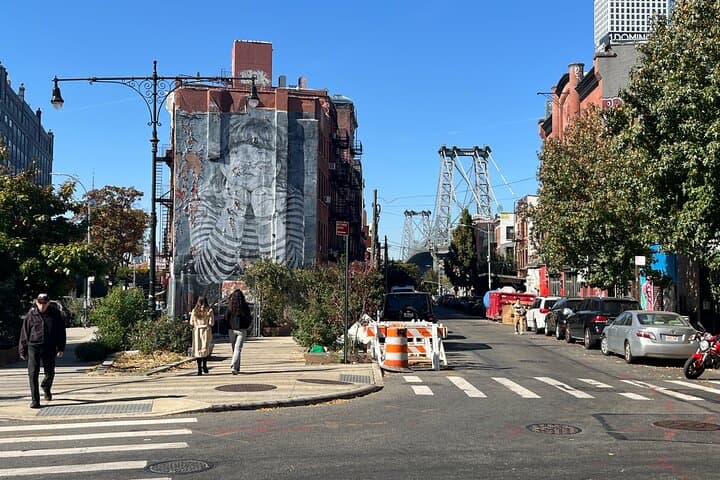
You step out onto Broadway as the city hums around you — delivery trucks, the rumble of the subway a block away, and the East River glinting toward Manhattan. The guide gathers the group outside Checkers, and within minutes the neighborhood reveals itself: brick factories turned breweries, tightly knit storefronts, and side streets where Orthodox families move with purpose.
Verified experiences and guided adventures in the surrounding area.
Operated by Marcus Hillman · Brooklyn, New York
You step out onto Broadway as the city hums around you — delivery trucks, the rumble of the subway a block away, and the East River glinting toward Manhattan. The guide gathers the group outside Checkers, and within minutes the neighborhood reveals itself: brick factories turned breweries, tightly knit storefronts, and side streets where Orthodox families move with purpose.
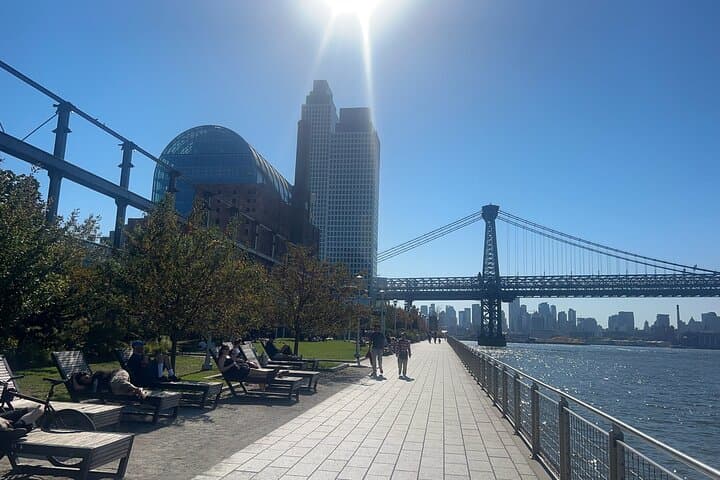
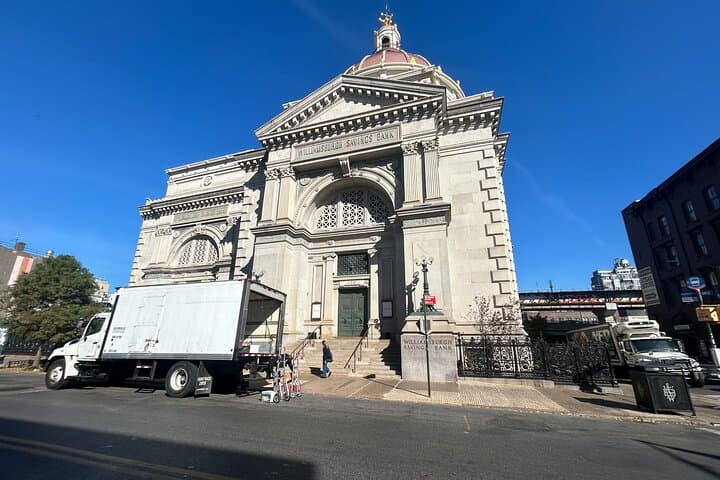
Williamsburg’s arc is visible in the buildings and the people. Once a 18th–19th century industrial corridor and immigrant gateway, it became home to German brewers, Italian and Jewish families, and later a large Hasidic community. In recent decades, artists and small-scale manufacturers reshaped the waterfront; today glass towers sit beside century-old masonry and reclaimed parks that give clean sightlines to the Manhattan skyline.
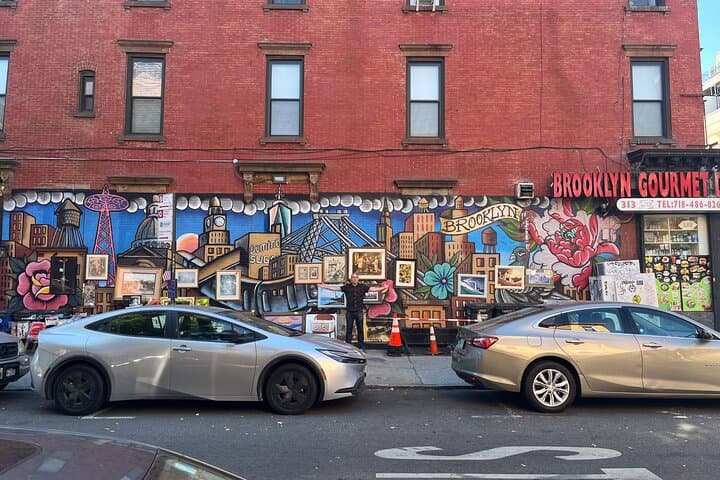
Geology here is urban — landfill-expanded shorelines, cobbled lots, and piers that trace commerce on the East River. Culture is layered and loud: Yiddish signage, coffee roasters’ smoke, and the clack of a hipster bike courier. The tour moves between public spaces — East River State Park and other riverfront spots — and vibrant blocks where food, beer, and history intersect.
Practical guidance: this is a two-hour, mostly flat walk on city streets and parks. Bring comfortable shoes, a public-transit card or OMNY-ready phone, a refillable water bottle, and photo etiquette — avoid portrait shots of worshippers without permission. Expect frequent stops for stories and context, and the option to sample a local brew or snack at your own expense. Plan for crowds on weekends and give yourself time to explore afterward — Williamsburg invites lingering.
easy.
2 hours.
Suitable for most fitness levels; expect 1–2 miles of walking on paved surfaces with intermittent stops
The tour lasts about two hours and covers roughly 1–2 miles, with frequent stops for stories and viewpoints.
Yes — the route uses paved sidewalks and park paths and is listed as wheelchair and stroller accessible, but contact the operator for specific accommodations.
No — the guide may point out places to eat or drink and there may be an opportunity to stop for a beer, but purchases are at your own expense.
Yes — photos of architecture and public spaces are fine; avoid photographing Hasidic community members or anyone without permission out of respect.
Williamsburg evolved from an industrial and immigrant neighborhood into a major manufacturing district, later absorbed into Brooklyn and reshaped by waves of immigration and recent redevelopment.
Use public transit, carry reusable water bottles, and support local independent businesses to reduce waste and economic displacement impacts.
Marcus Hillman operates guided outdoor trips and adventures with an emphasis on safety, stewardship, and memorable experiences.
You step out onto Broadway as the city hums around you — delivery trucks, the rumble of the subway a block away, and the East River glinting toward Manhattan. The guide gathers the group outside Checkers, and within minutes the neighborhood reveals itself: brick factories turned breweries, tightly knit storefronts, and side streets where Orthodox families move with purpose.
You step out onto Broadway as the city hums around you — delivery trucks, the rumble of the subway a block away, and the East River glinting toward Manhattan. The guide gathers the group outside Checkers, and within minutes the neighborhood reveals itself: brick factories turned breweries, tightly knit storefronts, and side streets where Orthodox families move with purpose.
Williamsburg’s arc is visible in the buildings and the people. Once a 18th–19th century industrial corridor and immigrant gateway, it became home to German brewers, Italian and Jewish families, and later a large Hasidic community. In recent decades, artists and small-scale manufacturers reshaped the waterfront; today glass towers sit beside century-old masonry and reclaimed parks that give clean sightlines to the Manhattan skyline.
Geology here is urban — landfill-expanded shorelines, cobbled lots, and piers that trace commerce on the East River. Culture is layered and loud: Yiddish signage, coffee roasters’ smoke, and the clack of a hipster bike courier. The tour moves between public spaces — East River State Park and other riverfront spots — and vibrant blocks where food, beer, and history intersect.
Practical guidance: this is a two-hour, mostly flat walk on city streets and parks. Bring comfortable shoes, a public-transit card or OMNY-ready phone, a refillable water bottle, and photo etiquette — avoid portrait shots of worshippers without permission. Expect frequent stops for stories and context, and the option to sample a local brew or snack at your own expense. Plan for crowds on weekends and give yourself time to explore afterward — Williamsburg invites lingering.