THE ADVENTURE COLLECTIVE® · Independent discovery and booking for outdoor travel

Explore Colonial Williamsburg after dark on a two-hour ghost hunt that mixes documented history with spine-tingling encounters. Walk cobbled streets, visit burial grounds and use provided paranormal gear while guides share archival facts and eerie local lore.
Explore Colonial Williamsburg after dark on a two-hour ghost hunt that mixes documented history with spine-tingling encounters. Walk cobbled streets, visit burial grounds and use provided paranormal gear while guides share archival facts and eerie local lore.
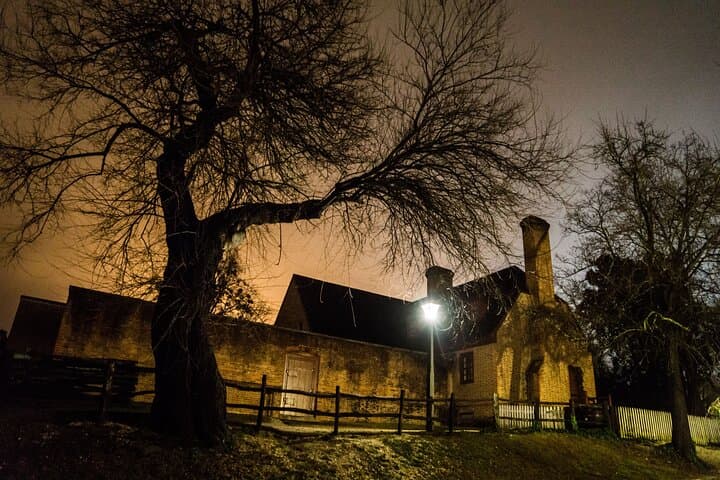
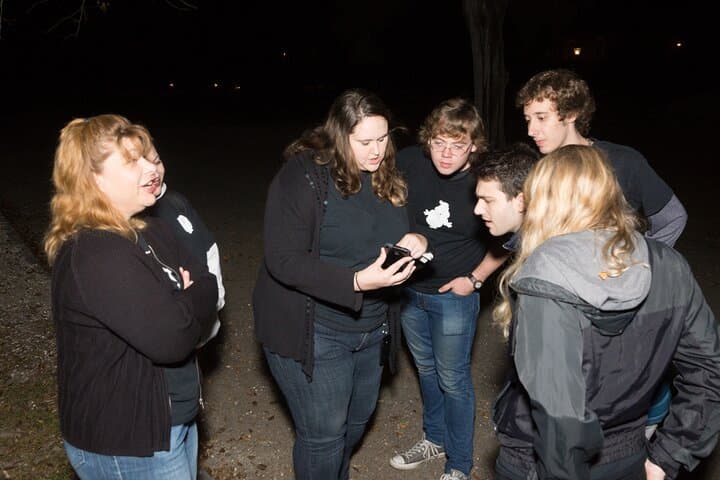
The streetlamps along Duke of Gloucester flicker as the group gathers at the bench by the Thomas Jefferson statue — a hush falls and the night seems to lean in. Candlelight and breath fog in the air while a guide outlines the route: Bruton Parish Church, the Governor’s Palace grounds, Peyton Randolph House, Market Square and the old jail. The town’s colonial bones feel close, and every shadow can seem to move with intent.
Verified experiences and guided adventures in the surrounding area.
Operated by Colonial Ghosts By Us Ghost Adventures · Williamsburg, Virginia
The streetlamps along Duke of Gloucester flicker as the group gathers at the bench by the Thomas Jefferson statue — a hush falls and the night seems to lean in. Candlelight and breath fog in the air while a guide outlines the route: Bruton Parish Church, the Governor’s Palace grounds, Peyton Randolph House, Market Square and the old jail. The town’s colonial bones feel close, and every shadow can seem to move with intent.
Williamsburg’s compact historic district is an 18th-century stage where Revolutionary-era politics, wartime burials and scandalous domestic tragedies meet modern preservation. Much of what you’ll see is rebuilt or restored from archaeological records — the Governor’s Palace was reconstructed in the 1930s after an 18th-century fire — but the cemetery stones and cobbled lanes retain an atmosphere that lends itself to ghost stories and recorded anomalies.
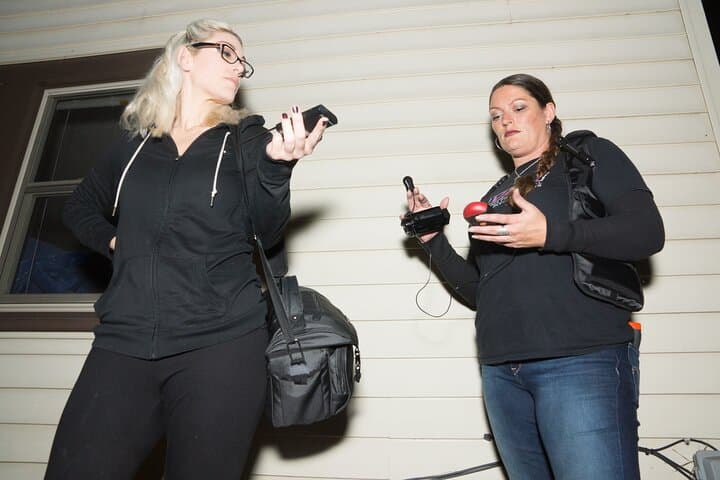
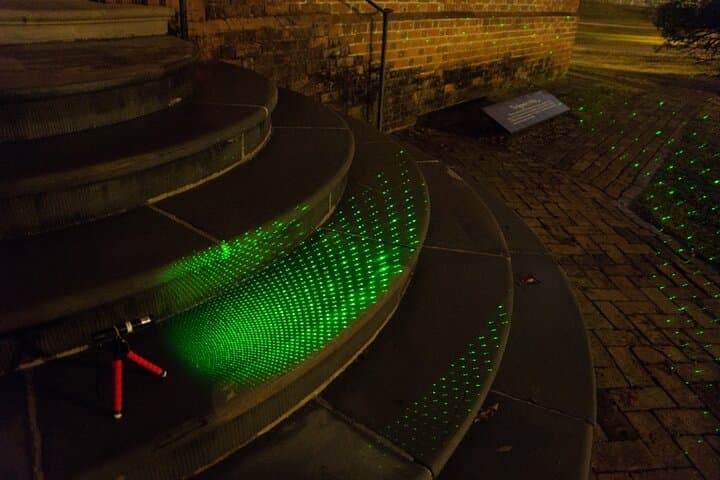
Expect two hours of steady walking on flat cobblestone and brick sidewalks totaling roughly a mile; guides don’t enter buildings so you cover more ground. The tour supplies ghost-hunting gear, but bring a reliable headlamp, warm layers, and footwear with good traction — cobbles get slick with dew. Photography and EVP recordings are common; be mindful of others and of grave markers and fenced areas.
Practical notes: tours run year-round and operate rain or shine, are not recommended for people with heart issues, and require the ability to walk at least a mile. Arrive early to find the meeting statue, and allow time afterward to process history and the stories that stick with you when the lights come back on.
easy.
2 hours.
Able to stand and walk about a mile over flat but uneven cobblestones; casual fitness sufficient
The route covers roughly a mile of mostly flat, uneven cobblestone and brick sidewalks over about two hours.
Yes — the tour supplies common paranormal tools, though guests often bring personal recorders or EMF meters.
Children who can walk the route and follow safety instructions may join, but the content and late hours may be intense for younger kids.
The tour runs rain or shine; only the operator will cancel if conditions are unsafe and they will notify booked guests.
Williamsburg was Virginia’s colonial capital and a political hub in the 18th century; several buildings were reconstructed in the 20th century after wartime destruction and archaeological recovery.
Colonial Williamsburg is a managed historic landscape — stick to designated paths, avoid touching artifacts, and follow guide rules to help protect fragile sites.
Colonial Ghosts By Us Ghost Adventures operates guided outdoor trips and adventures with an emphasis on safety, stewardship, and memorable experiences.
The streetlamps along Duke of Gloucester flicker as the group gathers at the bench by the Thomas Jefferson statue — a hush falls and the night seems to lean in. Candlelight and breath fog in the air while a guide outlines the route: Bruton Parish Church, the Governor’s Palace grounds, Peyton Randolph House, Market Square and the old jail. The town’s colonial bones feel close, and every shadow can seem to move with intent.
The streetlamps along Duke of Gloucester flicker as the group gathers at the bench by the Thomas Jefferson statue — a hush falls and the night seems to lean in. Candlelight and breath fog in the air while a guide outlines the route: Bruton Parish Church, the Governor’s Palace grounds, Peyton Randolph House, Market Square and the old jail. The town’s colonial bones feel close, and every shadow can seem to move with intent.
Williamsburg’s compact historic district is an 18th-century stage where Revolutionary-era politics, wartime burials and scandalous domestic tragedies meet modern preservation. Much of what you’ll see is rebuilt or restored from archaeological records — the Governor’s Palace was reconstructed in the 1930s after an 18th-century fire — but the cemetery stones and cobbled lanes retain an atmosphere that lends itself to ghost stories and recorded anomalies.
Expect two hours of steady walking on flat cobblestone and brick sidewalks totaling roughly a mile; guides don’t enter buildings so you cover more ground. The tour supplies ghost-hunting gear, but bring a reliable headlamp, warm layers, and footwear with good traction — cobbles get slick with dew. Photography and EVP recordings are common; be mindful of others and of grave markers and fenced areas.
Practical notes: tours run year-round and operate rain or shine, are not recommended for people with heart issues, and require the ability to walk at least a mile. Arrive early to find the meeting statue, and allow time afterward to process history and the stories that stick with you when the lights come back on.