THE ADVENTURE COLLECTIVE® · Independent discovery and booking for outdoor travel

A private, two-hour outdoor walking tour through colonial Williamsburg designed for families. Visit Kimball Theatre, Market Square, the Wythe House and Peyton Randolph House while a local guide brings architecture and civic history to life.
A private, two-hour outdoor walking tour through colonial Williamsburg designed for families. Visit Kimball Theatre, Market Square, the Wythe House and Peyton Randolph House while a local guide brings architecture and civic history to life.
Morning light slices across Duke of Gloucester Street as a family steps away from the Kimball Theatre and into a two-hour crawl through living history. The guide leads, voices low and precise, drawing kids into short stories about courthouse debates, merchant stalls and the everyday rhythm of an 18th-century town. Market Square hums; vendors' spaces dare you to imagine bartering beneath the same eaves that watched a young republic take shape.
Verified experiences and guided adventures in the surrounding area.
Operated by Opatrip.com USA · Williamsburg, Virginia
Morning light slices across Duke of Gloucester Street as a family steps away from the Kimball Theatre and into a two-hour crawl through living history. The guide leads, voices low and precise, drawing kids into short stories about courthouse debates, merchant stalls and the everyday rhythm of an 18th-century town. Market Square hums; vendors' spaces dare you to imagine bartering beneath the same eaves that watched a young republic take shape.
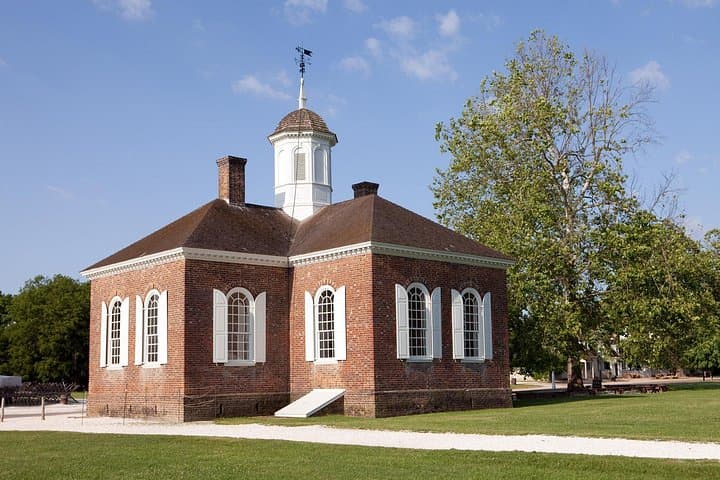
Williamsburg sits on low coastal plain formed from Pleistocene sediments, its brick streets and timber houses reflecting decades of repair and preservation rather than geological drama. Culturally it's a curated slice of colonial Virginia — a former capital where figures like Peyton Randolph and George Wythe shaped early American law and politics. Architecture is the real narrator: courthouse pediments, narrow civic greens and modest townhouses that reveal class, labor and contested histories when you know where to look.
The tour keeps things outdoors and family-paced, focusing on exterior views and short storytelling stops at the Wythe House, Market Square and Peyton Randolph House. Practical notes follow the scene: expect 1–2 miles of walking on flat brick and pavement, bring sun protection, and plan for rest breaks — children respond best to brisk, concrete-sized chapters rather than long lectures.
Guides supply local context, recommend quieter side streets for photos, and encourage curiosity about overlooked details — hingework, brick bonding and the stories of the people who lived and worked here. For families wanting an accessible, historically rich outdoor hour and a half, this private stroll delivers focused storytelling, predictable footing and immediate connections to early American life.
easy.
2 hours.
Suitable for families and most fitness levels; participants should be able to walk short distances with occasional pauses.
The private tour is approximately two hours and covers roughly 1–2 miles on mostly flat brick and pavement with multiple short stops.
Yes; the route is family-friendly and relatively flat, though some brick sections are uneven and narrow — a compact stroller works best.
No; this outdoor tour focuses on exterior views and storytelling. Entry to indoor sites would require separate tickets arranged in advance.
Full refunds are available if you cancel at least 24 hours before the scheduled departure; check your booking confirmation for details.
Williamsburg served as Virginia's colonial capital and a political hub where leaders like Peyton Randolph and George Wythe influenced early American governance; the town's preserved streets reflect decades of restoration work.
The Colonial Williamsburg Foundation manages preservation of structures and landscapes; visitors are encouraged to stay on paths, avoid touching delicate surfaces, and minimize waste to protect the historic fabric.
Opatrip.com USA operates guided outdoor trips and adventures with an emphasis on safety, stewardship, and memorable experiences.
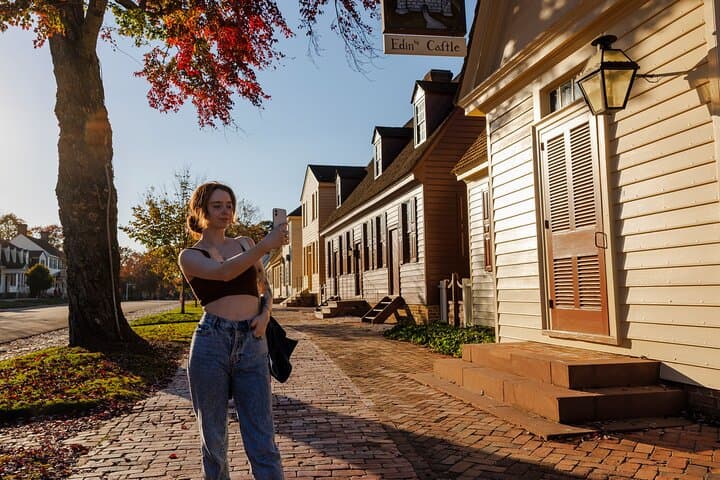

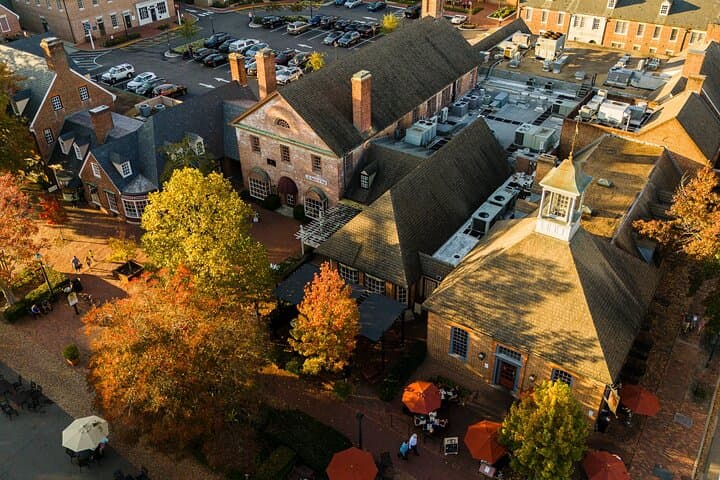
Morning light slices across Duke of Gloucester Street as a family steps away from the Kimball Theatre and into a two-hour crawl through living history. The guide leads, voices low and precise, drawing kids into short stories about courthouse debates, merchant stalls and the everyday rhythm of an 18th-century town. Market Square hums; vendors' spaces dare you to imagine bartering beneath the same eaves that watched a young republic take shape.
Morning light slices across Duke of Gloucester Street as a family steps away from the Kimball Theatre and into a two-hour crawl through living history. The guide leads, voices low and precise, drawing kids into short stories about courthouse debates, merchant stalls and the everyday rhythm of an 18th-century town. Market Square hums; vendors' spaces dare you to imagine bartering beneath the same eaves that watched a young republic take shape.
Williamsburg sits on low coastal plain formed from Pleistocene sediments, its brick streets and timber houses reflecting decades of repair and preservation rather than geological drama. Culturally it's a curated slice of colonial Virginia — a former capital where figures like Peyton Randolph and George Wythe shaped early American law and politics. Architecture is the real narrator: courthouse pediments, narrow civic greens and modest townhouses that reveal class, labor and contested histories when you know where to look.
The tour keeps things outdoors and family-paced, focusing on exterior views and short storytelling stops at the Wythe House, Market Square and Peyton Randolph House. Practical notes follow the scene: expect 1–2 miles of walking on flat brick and pavement, bring sun protection, and plan for rest breaks — children respond best to brisk, concrete-sized chapters rather than long lectures.
Guides supply local context, recommend quieter side streets for photos, and encourage curiosity about overlooked details — hingework, brick bonding and the stories of the people who lived and worked here. For families wanting an accessible, historically rich outdoor hour and a half, this private stroll delivers focused storytelling, predictable footing and immediate connections to early American life.