THE ADVENTURE COLLECTIVE® · Independent discovery and booking for outdoor travel

Explore Punda and Otrobanda on a guided walk that pairs bold colonial architecture with market life and rum tasting. This 2.5-hour tour blends history, street art, and practical local insights for a concise introduction to Willemstad.
Explore Punda and Otrobanda on a guided walk that pairs bold colonial architecture with market life and rum tasting. This 2.5-hour tour blends history, street art, and practical local insights for a concise introduction to Willemstad.
You step off the Rif Fort gate toward the floating bridge and the city opens like a set of living postcards: candy-colored façades, a working harbor, murals that stare back with island frankness. The breeze from St. Anna Bay pushes at your shirt, carrying the tang of salt and rum distillation from nearby warehouses.
Verified experiences and guided adventures in the surrounding area.
Operated by Aida Travel Services · Willemstad, Curaçao
You step off the Rif Fort gate toward the floating bridge and the city opens like a set of living postcards: candy-colored façades, a working harbor, murals that stare back with island frankness. The breeze from St. Anna Bay pushes at your shirt, carrying the tang of salt and rum distillation from nearby warehouses.
This 2.5-hour guided walk threads Punda and Otrobanda, two districts shaped by Dutch colonial planning, African and Caribbean commerce, and maritime trade. Limestone and coral rock underlie many streets; the city’s low cliffs and natural harbor explain why Willemstad became a strategic port and a UNESCO-listed historic center. Cultural touchstones — the Mikvé Israel Emanuel Synagogue, hand-painted murals, and busy food markets — reveal everyday life across centuries.
Guides stop at forts and plazas to unpack stories of piracy, slavery, and global trade, then move through markets where spices and fish trade still hums. The floating Queen Emma Bridge swings open like a hinge between histories; the rum distillery at the end of the route ties local craft to island agriculture.
Practical guidance: plan for sun and uneven cobbles, wear closed-toe shoes, and book morning slots to avoid cruise crowds and midday heat. Expect moderate walking at a steady pace with multiple short stops for interpretation and a final rum tasting. Bring cash for small purchases and a refillable water bottle — the city offers easy access to shops if you forget something. The walk is urban, sensory, and anchored in clear historical context — a compact primer on Curaçao’s layered identity.
moderate.
2–3 hours.
Moderate—participants should be comfortable walking 2–3 miles on uneven pavement and climbing short flights of steps.
The meeting point is at the Rif Fort gate facing the floating bridge by the cannon; the tour also ends there after visiting Punda, Otrobanda, and the rum distillery.
Yes—strollers are accommodated, but some cobbled streets and steps can make navigation slow; infants should be secured.
No—this walking tour provides interpretation and exterior visits; museum admissions are typically not included unless specified in the booking details.
Yes—the tour concludes at AnnaBay Club Rum Distillery where guests can sample and purchase rum; bring cash or card depending on the distillery's payment options.
Willemstad developed as a fortified colonial port; Dutch urban design combined with Afro-Caribbean commerce shaped the city’s architecture and cultural mix.
Historic preservation controls protect many colonial buildings; visitors are encouraged to support locally owned shops and follow leave-no-trace practices in public spaces.
Aida Travel Services operates guided outdoor trips and adventures with an emphasis on safety, stewardship, and memorable experiences.
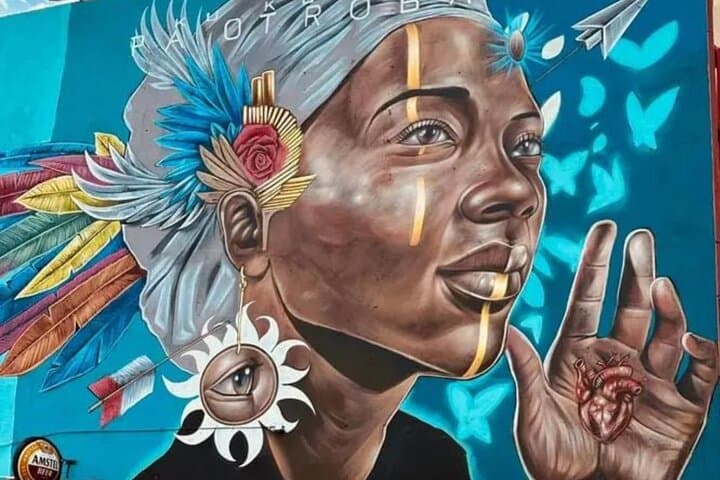
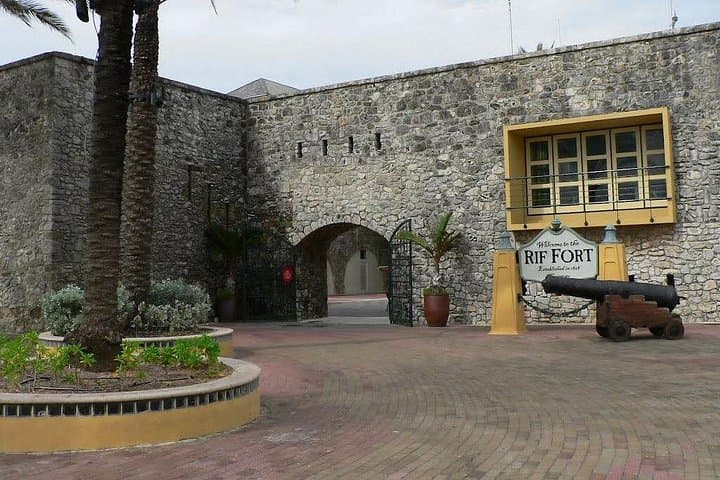

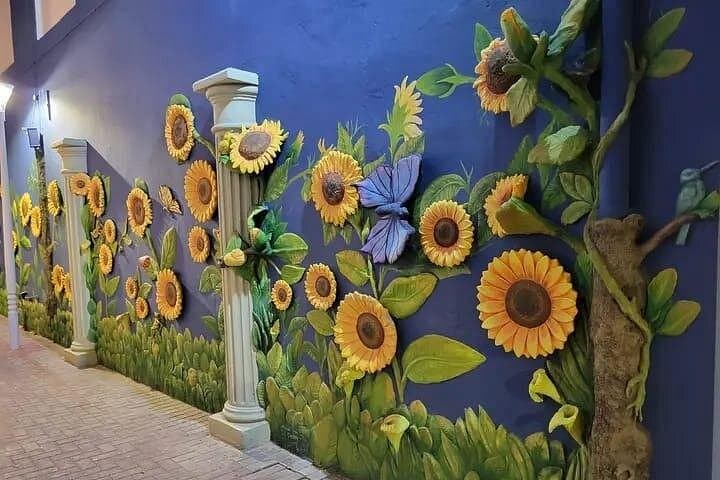
You step off the Rif Fort gate toward the floating bridge and the city opens like a set of living postcards: candy-colored façades, a working harbor, murals that stare back with island frankness. The breeze from St. Anna Bay pushes at your shirt, carrying the tang of salt and rum distillation from nearby warehouses.
You step off the Rif Fort gate toward the floating bridge and the city opens like a set of living postcards: candy-colored façades, a working harbor, murals that stare back with island frankness. The breeze from St. Anna Bay pushes at your shirt, carrying the tang of salt and rum distillation from nearby warehouses.
This 2.5-hour guided walk threads Punda and Otrobanda, two districts shaped by Dutch colonial planning, African and Caribbean commerce, and maritime trade. Limestone and coral rock underlie many streets; the city’s low cliffs and natural harbor explain why Willemstad became a strategic port and a UNESCO-listed historic center. Cultural touchstones — the Mikvé Israel Emanuel Synagogue, hand-painted murals, and busy food markets — reveal everyday life across centuries.
Guides stop at forts and plazas to unpack stories of piracy, slavery, and global trade, then move through markets where spices and fish trade still hums. The floating Queen Emma Bridge swings open like a hinge between histories; the rum distillery at the end of the route ties local craft to island agriculture.
Practical guidance: plan for sun and uneven cobbles, wear closed-toe shoes, and book morning slots to avoid cruise crowds and midday heat. Expect moderate walking at a steady pace with multiple short stops for interpretation and a final rum tasting. Bring cash for small purchases and a refillable water bottle — the city offers easy access to shops if you forget something. The walk is urban, sensory, and anchored in clear historical context — a compact primer on Curaçao’s layered identity.