THE ADVENTURE COLLECTIVE® · Independent discovery and booking for outdoor travel

Spend a relaxed day touring Willamette Valley’s boutique wineries and a local distillery. This small-group trip combines vineyard walks, tastings, and a curated lunch while traveling through distinct sub-AVAs.
Spend a relaxed day touring Willamette Valley’s boutique wineries and a local distillery. This small-group trip combines vineyard walks, tastings, and a curated lunch while traveling through distinct sub-AVAs.
A low, cool fog lifts off the valley as your van threads between green rows of vines and weathered barns. You arrive at a tasting room where glass meets sunlight and the air smells faintly of cut grass and fermenting fruit. The day moves at a human pace: short walks through vine rows, conversations with winemakers, and a distillery visit where grain and oak speak with equal force.
Verified experiences and guided adventures in the surrounding area.
Operated by Terran Travels · McMinnville, Oregon
A low, cool fog lifts off the valley as your van threads between green rows of vines and weathered barns. You arrive at a tasting room where glass meets sunlight and the air smells faintly of cut grass and fermenting fruit. The day moves at a human pace: short walks through vine rows, conversations with winemakers, and a distillery visit where grain and oak speak with equal force.
Willamette Valley’s story is young by European standards but deep in local pride — commercial viticulture accelerated in the late 20th century and the AVA was formally recognized in the 1980s. Geologically the valley is defined by marine sedimentary layers and pockets of volcanic Jory soil; those soils, combined with a cool maritime climate, favor Pinot noir, but the region’s boutique distilleries are carving their own character from local barley and fruit. Passing through sub-AVAs such as Dundee Hills, Eola-Amity Hills, and Yamhill-Carlton, the landscape nudges you to notice subtle slope changes and how exposure alters a vineyard’s personality.
Practical guidance: tours typically run 6–7 hours, include lunch and transport, but tasting fees are extra. Expect light walking on gravel and steps; shoes with grip and a layered jacket are smart choices for changeable coastal weather. Carry ID, hydrate between tastings, and plan for a late return to Portland or an overnight in McMinnville if you want to explore tasting rooms at your own pace. This is a social, sensory day: drink in the views as much as the wine and whisky.
easy.
6–7 hours.
Low-impact — suitable for most fitness levels; be able to stand for short tastings and walk brief vineyard paths.
No — the tour includes lunch and transportation, but tasting fees at each winery/distillery are paid on site unless otherwise specified.
Most departures are from Portland pickup points; confirm your pickup location and time when booking.
The tour accommodates non-drinkers and infants, but it’s organized around tastings; children must be supervised and the experience is geared toward adults.
Guides may accommodate reasonable requests when possible; mention preferences at booking but expect final stops to vary by availability.
Commercial winemaking expanded in the Willamette Valley in the late 20th century and the region earned AVA recognition in the 1980s, rapidly becoming known for cool-climate Pinot noir.
Many vineyards in the valley practice sustainable or organic farming and water-conservation techniques; visitors are encouraged to respect private property and minimize waste.
Terran Travels operates guided outdoor trips and adventures with an emphasis on safety, stewardship, and memorable experiences.
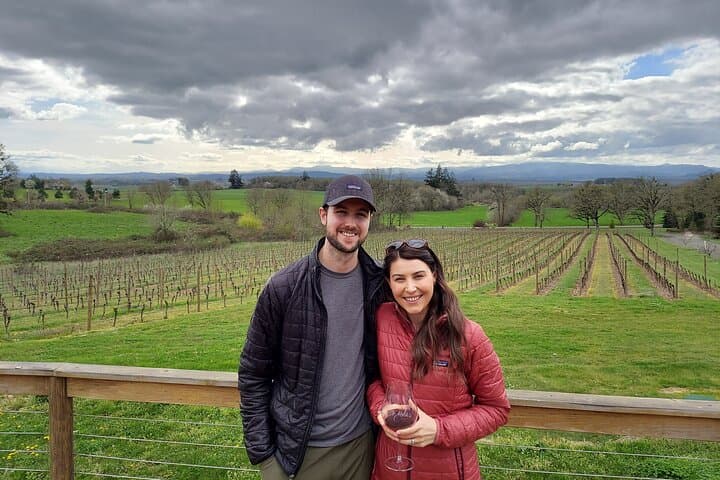
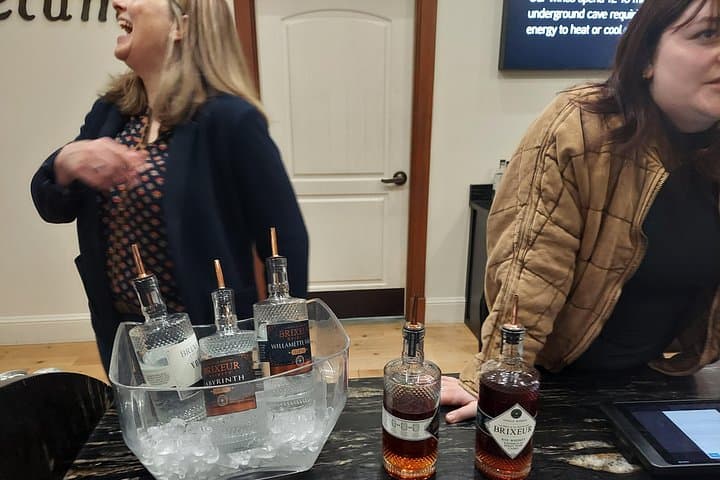
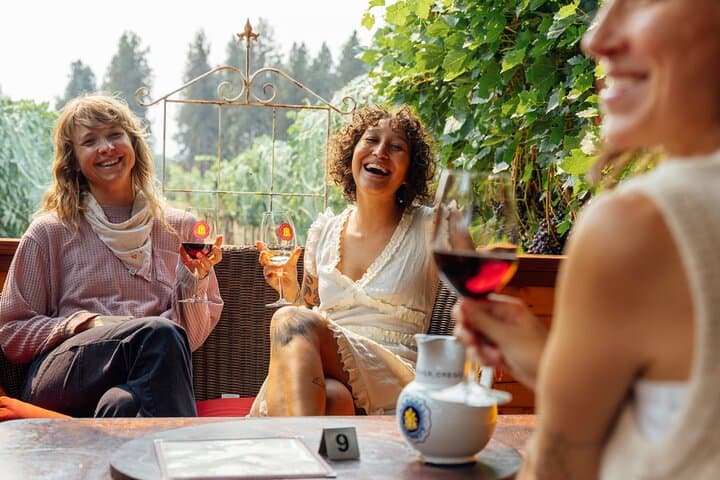
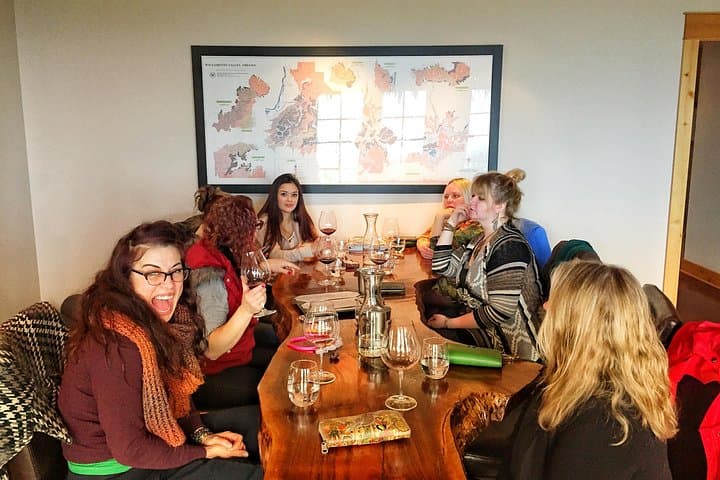
A low, cool fog lifts off the valley as your van threads between green rows of vines and weathered barns. You arrive at a tasting room where glass meets sunlight and the air smells faintly of cut grass and fermenting fruit. The day moves at a human pace: short walks through vine rows, conversations with winemakers, and a distillery visit where grain and oak speak with equal force.
A low, cool fog lifts off the valley as your van threads between green rows of vines and weathered barns. You arrive at a tasting room where glass meets sunlight and the air smells faintly of cut grass and fermenting fruit. The day moves at a human pace: short walks through vine rows, conversations with winemakers, and a distillery visit where grain and oak speak with equal force.
Willamette Valley’s story is young by European standards but deep in local pride — commercial viticulture accelerated in the late 20th century and the AVA was formally recognized in the 1980s. Geologically the valley is defined by marine sedimentary layers and pockets of volcanic Jory soil; those soils, combined with a cool maritime climate, favor Pinot noir, but the region’s boutique distilleries are carving their own character from local barley and fruit. Passing through sub-AVAs such as Dundee Hills, Eola-Amity Hills, and Yamhill-Carlton, the landscape nudges you to notice subtle slope changes and how exposure alters a vineyard’s personality.
Practical guidance: tours typically run 6–7 hours, include lunch and transport, but tasting fees are extra. Expect light walking on gravel and steps; shoes with grip and a layered jacket are smart choices for changeable coastal weather. Carry ID, hydrate between tastings, and plan for a late return to Portland or an overnight in McMinnville if you want to explore tasting rooms at your own pace. This is a social, sensory day: drink in the views as much as the wine and whisky.