THE ADVENTURE COLLECTIVE® · Independent discovery and booking for outdoor travel

Leave the city and spend a day among vines, tasting boutique Pinot Noirs and learning how Willamette Valley soils and climate shape the bottles. This 7–8 hour tour visits three wineries with behind-the-scenes viticulture talks—tasting fees not included.
Leave the city and spend a day among vines, tasting boutique Pinot Noirs and learning how Willamette Valley soils and climate shape the bottles. This 7–8 hour tour visits three wineries with behind-the-scenes viticulture talks—tasting fees not included.
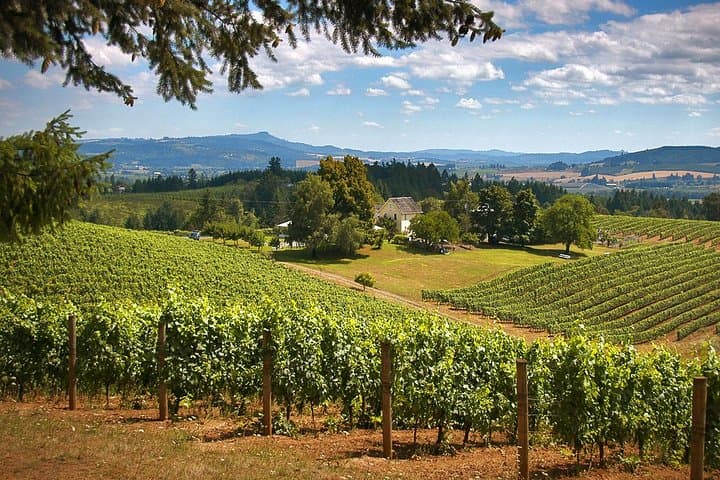
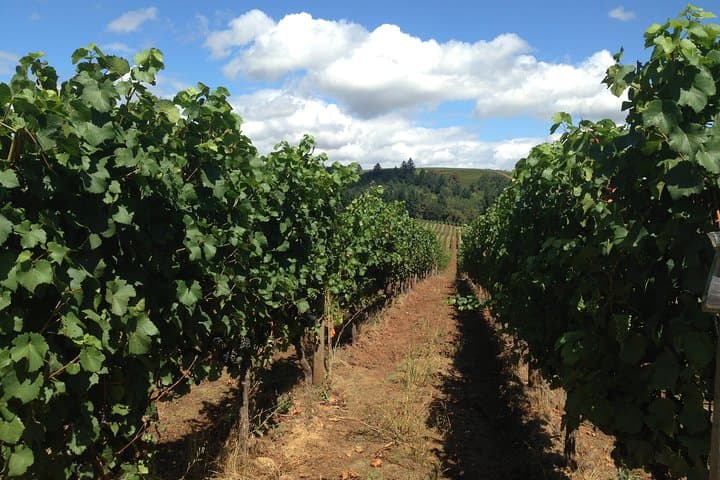
A gray morning in Downtown Portland feels like the last act before the Willamette Valley takes over. You meet at Director Park under a skeletal canopy of plane trees, the guide taps the van’s side door and the city slides back as orchards and farm fields edge the highway. By the time the first low clouds lift, rows of vines have arranged themselves into a green geometry across gentle hills; the air smells faintly of wet earth and cut grass, and the valley seems to breathe around the vineyards.
Verified experiences and guided adventures in the surrounding area.
Operated by Wildwood Adventures · Portland, Oregon
A gray morning in Downtown Portland feels like the last act before the Willamette Valley takes over. You meet at Director Park under a skeletal canopy of plane trees, the guide taps the van’s side door and the city slides back as orchards and farm fields edge the highway. By the time the first low clouds lift, rows of vines have arranged themselves into a green geometry across gentle hills; the air smells faintly of wet earth and cut grass, and the valley seems to breathe around the vineyards.
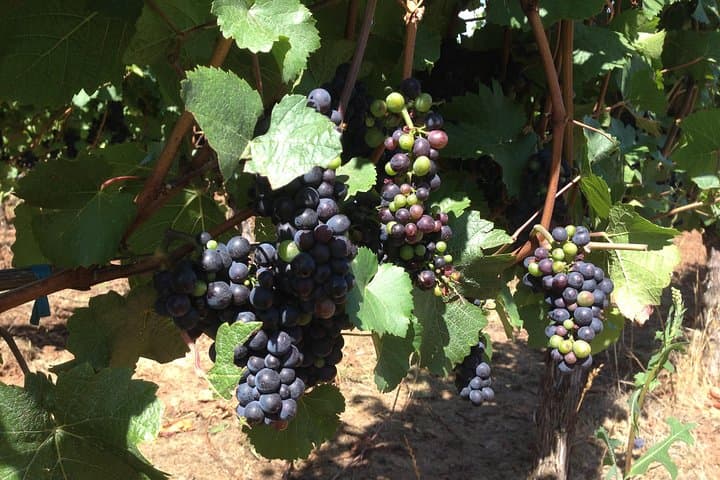
The region’s claim to fame is simple: Pinot Noir thrives here. The valley’s cool, maritime climate, glacially derived loess and ancient basalt subsoils create slow-ripening conditions that produce delicate, complex reds. The tour threads between three distinct stops—small family producers, modern tasting rooms, and estate vineyards—each offering a behind-the-scenes perspective on pruning, canopy management, and how tiny changes in elevation or soil texture shift a bottle’s identity.
This landscape carries human stories as well. Indigenous peoples stewarded these lowlands for millennia before 19th-century settlers reshaped the valley into farms and orchards. In the 1960s and ’70s, a handful of experimental growers and winemakers proved that Oregon could excel with cool-climate varieties, and the region has steadily built an international reputation since.
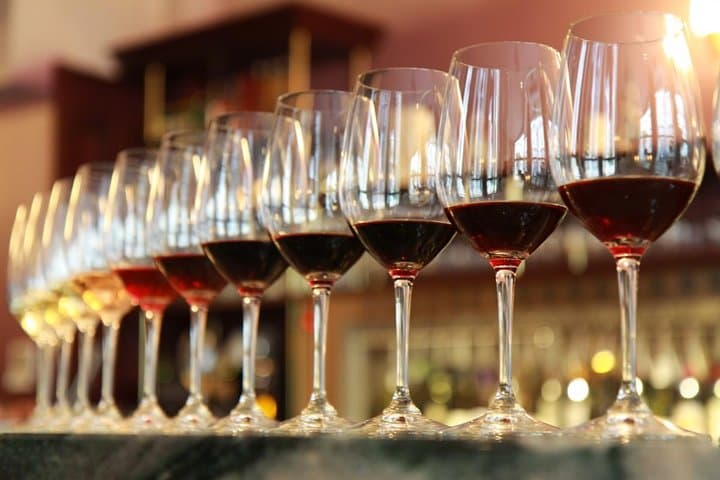
What the day delivers is a balance of tastes and practical learning. Tasting flights are paired with short talks about terroir, fermentation choices, and aging decisions; guides point out features like Chehalem foothills and the ribbon of the Willamette River that moderates frost. You’ll learn how wineries balance production with direct-to-consumer sales—many will ship purchases home, a helpful option if you don’t want to hand-carry bottles on the drive back.
Practicalities matter on a day like this. The tour lasts about 7–8 hours with transportation in an air-conditioned high-roof van; tastings are not included in the base price and the operator enforces a 21+ policy. Expect short walks, standing during tastings, and occasional gravel surfaces at boutique estates—comfortable shoes and layered clothing are sensible. Bring your ID, budget for tasting fees and potential bottle purchases, and plan to pace yourself between flights: water and snacks are provided, but pacing keeps things enjoyable.
By the time you roll back into Director Park, the valley has given you a sampler of soils, styles, and stories—an afternoon that pairs thoughtful tasting with straightforward regional education. Whether you’re chasing a great bottle or trying to learn the language of wine, this is an accessible, well-paced way to read the Willamette in a single day.
easy.
7–8 hours.
Suitable for most fitness levels; expect standing during tastings and short, easy walks on uneven ground.
No—tasting fees vary by winery and are paid directly at each tasting room; prices commonly range from $10–$40.
Pickup and drop-off are at Director Park in Downtown Portland, near SW 9th Ave and SW Taylor St; your guide will wait by Pastini restaurant.
Yes—transportation is in a premium, air-conditioned high-roof passenger van with a maximum of 8 guests.
The itinerary visits three selected wineries; private or customized stops may be possible with advance booking—check with the operator.
The van is used for transport but accessibility at individual wineries varies; contact the operator with details so they can advise on site access.
Most wineries offer shipping; buying and shipping directly from the winery is a common way to avoid carrying bottles home.
Willamette Valley’s modern wine industry began in the mid-20th century as pioneers proved cool-climate grapes could rival Old World regions; the valley’s soils reflect ancient volcanic activity and glacial deposits.
Many producers emphasize sustainable practices—look for organic, biodynamic, or low-intervention labels; be mindful of single-use plastics and opt for shipping to reduce transport risks to bottles.
Wildwood Adventures operates guided outdoor trips and adventures with an emphasis on safety, stewardship, and memorable experiences.
A gray morning in Downtown Portland feels like the last act before the Willamette Valley takes over. You meet at Director Park under a skeletal canopy of plane trees, the guide taps the van’s side door and the city slides back as orchards and farm fields edge the highway. By the time the first low clouds lift, rows of vines have arranged themselves into a green geometry across gentle hills; the air smells faintly of wet earth and cut grass, and the valley seems to breathe around the vineyards.
A gray morning in Downtown Portland feels like the last act before the Willamette Valley takes over. You meet at Director Park under a skeletal canopy of plane trees, the guide taps the van’s side door and the city slides back as orchards and farm fields edge the highway. By the time the first low clouds lift, rows of vines have arranged themselves into a green geometry across gentle hills; the air smells faintly of wet earth and cut grass, and the valley seems to breathe around the vineyards.
The region’s claim to fame is simple: Pinot Noir thrives here. The valley’s cool, maritime climate, glacially derived loess and ancient basalt subsoils create slow-ripening conditions that produce delicate, complex reds. The tour threads between three distinct stops—small family producers, modern tasting rooms, and estate vineyards—each offering a behind-the-scenes perspective on pruning, canopy management, and how tiny changes in elevation or soil texture shift a bottle’s identity.
This landscape carries human stories as well. Indigenous peoples stewarded these lowlands for millennia before 19th-century settlers reshaped the valley into farms and orchards. In the 1960s and ’70s, a handful of experimental growers and winemakers proved that Oregon could excel with cool-climate varieties, and the region has steadily built an international reputation since.
What the day delivers is a balance of tastes and practical learning. Tasting flights are paired with short talks about terroir, fermentation choices, and aging decisions; guides point out features like Chehalem foothills and the ribbon of the Willamette River that moderates frost. You’ll learn how wineries balance production with direct-to-consumer sales—many will ship purchases home, a helpful option if you don’t want to hand-carry bottles on the drive back.
Practicalities matter on a day like this. The tour lasts about 7–8 hours with transportation in an air-conditioned high-roof van; tastings are not included in the base price and the operator enforces a 21+ policy. Expect short walks, standing during tastings, and occasional gravel surfaces at boutique estates—comfortable shoes and layered clothing are sensible. Bring your ID, budget for tasting fees and potential bottle purchases, and plan to pace yourself between flights: water and snacks are provided, but pacing keeps things enjoyable.
By the time you roll back into Director Park, the valley has given you a sampler of soils, styles, and stories—an afternoon that pairs thoughtful tasting with straightforward regional education. Whether you’re chasing a great bottle or trying to learn the language of wine, this is an accessible, well-paced way to read the Willamette in a single day.