THE ADVENTURE COLLECTIVE® · Independent discovery and booking for outdoor travel

Join an expert forager and trained dog in Oregon’s Willamette Valley to hunt for sought-after truffles, learn the ecology behind their growth, and finish with a locally sourced picnic and wine pairing under forest canopy.
Join an expert forager and trained dog in Oregon’s Willamette Valley to hunt for sought-after truffles, learn the ecology behind their growth, and finish with a locally sourced picnic and wine pairing under forest canopy.
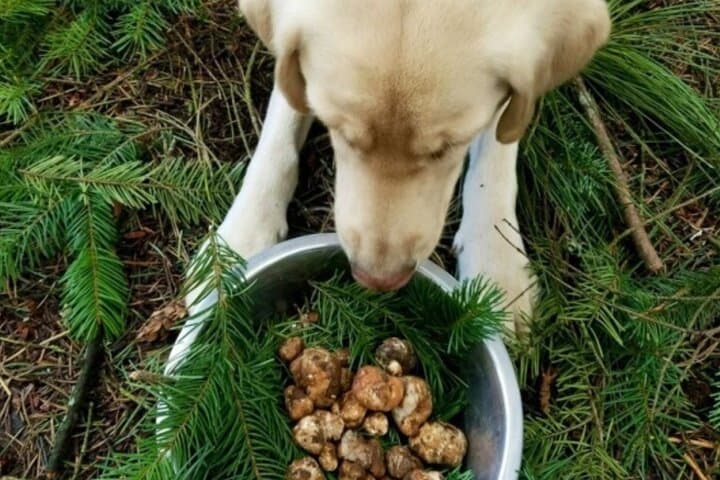
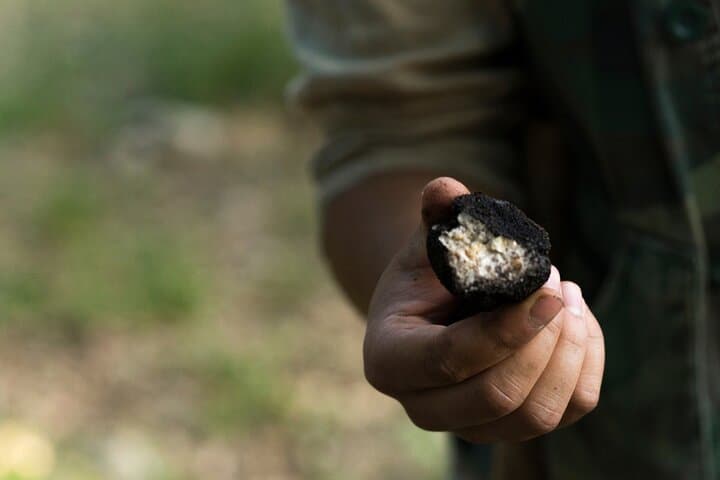
Fog thins through fir trunks as you step onto soft duff; the truffle dog lifts its nose and moves like a compass, pulling you into the quiet geometry of the forest floor. You follow the handler, fingers brushing damp leaves, watching for the tiny disturbance that signals a buried black gem.
Verified experiences and guided adventures in the surrounding area.
Operated by First Nature Tours · McMinnville, Oregon
Fog thins through fir trunks as you step onto soft duff; the truffle dog lifts its nose and moves like a compass, pulling you into the quiet geometry of the forest floor. You follow the handler, fingers brushing damp leaves, watching for the tiny disturbance that signals a buried black gem.
The Willamette Valley’s truffle story is recent and deliberate: European truffle culture was introduced to Oregon in the late 20th century, where acid soils, winter rains, and mixed oak-conifer stands proved hospitable. Geology matters here—the region’s deep, well-drained loams and volcanic sediments encourage the mycorrhizal relationships that truffles need. Culturally, the valley knits truffle hunting into a broader farm-to-table identity; many truffle outings end with local wines and cheeses that frame the fungus as part of a terroir.
On a guided forage you’ll learn scent cues, the ecology of truffle-producing trees, and ethical harvest techniques while the handler demonstrates how to coax the dog and carefully extract the prize. The finale is a forest picnic: simple plates, sharp slices, and a small glass of boutique wine—an education in how fleeting seasonality translates to flavor.
Practical guidance: dress for muddy terrain—waterproof boots and ankle support are essential. Timing is key; truffles are clearest in cooler, wetter months, so book accordingly. Bring layered clothing, a small daypack, snacks, and a camera but leave foraging to permitted guides. Respect the dog’s space, follow handlers’ instructions, and carry out all waste. Expect gentle walking rather than strenuous hiking; this is about patience, scent, and the quiet satisfaction of finding something rare beneath your feet.
easy.
7 hours.
Suitable for most fitness levels; involves gentle walking on uneven, sometimes muddy ground and short periods of standing
Many operators allow children but require they be supervised; confirm age limits when booking and be prepared for long periods of standing and brief walks.
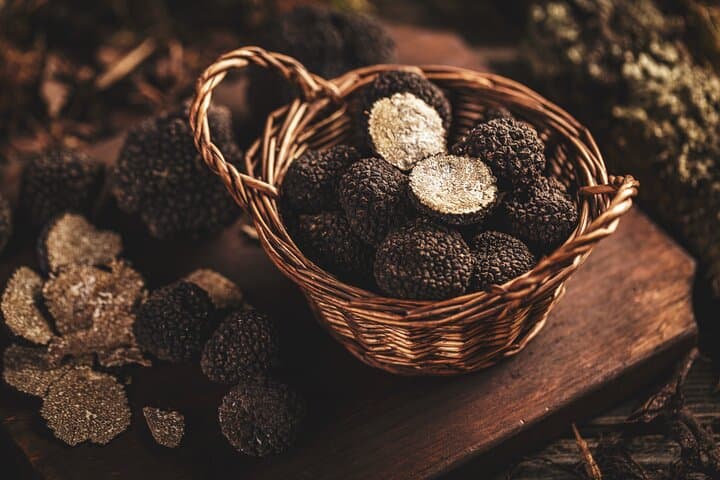
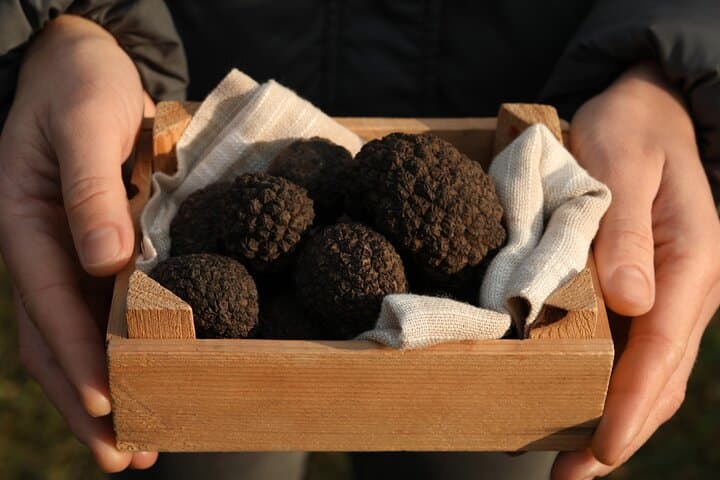
In the Willamette Valley you may encounter Périgord (black) truffles and other cultivated varieties suited to local soils; exact finds vary by season and site.
Tours often run in wet conditions, but extreme weather may trigger cancellation—check the tour’s policy and contact the operator before your date.
Harvesting on private truffières requires permission; the guided experience covers ethical techniques but you should not forage public or private land without consent.
Truffle cultivation in Oregon began in the late 20th century when European inoculated trees were planted; the valley’s climate and soils allowed small-scale truffières to flourish alongside vineyards and orchards.
Guides follow sustainable harvest practices to minimize disturbance; stay on paths, respect private land, and avoid taking more than local guidelines allow to protect these slow-growing fungi.
First Nature Tours operates guided outdoor trips and adventures with an emphasis on safety, stewardship, and memorable experiences.
Fog thins through fir trunks as you step onto soft duff; the truffle dog lifts its nose and moves like a compass, pulling you into the quiet geometry of the forest floor. You follow the handler, fingers brushing damp leaves, watching for the tiny disturbance that signals a buried black gem.
Fog thins through fir trunks as you step onto soft duff; the truffle dog lifts its nose and moves like a compass, pulling you into the quiet geometry of the forest floor. You follow the handler, fingers brushing damp leaves, watching for the tiny disturbance that signals a buried black gem.
The Willamette Valley’s truffle story is recent and deliberate: European truffle culture was introduced to Oregon in the late 20th century, where acid soils, winter rains, and mixed oak-conifer stands proved hospitable. Geology matters here—the region’s deep, well-drained loams and volcanic sediments encourage the mycorrhizal relationships that truffles need. Culturally, the valley knits truffle hunting into a broader farm-to-table identity; many truffle outings end with local wines and cheeses that frame the fungus as part of a terroir.
On a guided forage you’ll learn scent cues, the ecology of truffle-producing trees, and ethical harvest techniques while the handler demonstrates how to coax the dog and carefully extract the prize. The finale is a forest picnic: simple plates, sharp slices, and a small glass of boutique wine—an education in how fleeting seasonality translates to flavor.
Practical guidance: dress for muddy terrain—waterproof boots and ankle support are essential. Timing is key; truffles are clearest in cooler, wetter months, so book accordingly. Bring layered clothing, a small daypack, snacks, and a camera but leave foraging to permitted guides. Respect the dog’s space, follow handlers’ instructions, and carry out all waste. Expect gentle walking rather than strenuous hiking; this is about patience, scent, and the quiet satisfaction of finding something rare beneath your feet.