THE ADVENTURE COLLECTIVE® · Independent discovery and booking for outdoor travel

Spend a full day exploring Willamette Valley’s top wineries with an industry-savvy private guide—three to four tastings, elevated tours on request, and a lunch stop in Dundee. Expect volcanic soils, cool-climate Pinots, and insider context that turns pours into stories.
Spend a full day exploring Willamette Valley’s top wineries with an industry-savvy private guide—three to four tastings, elevated tours on request, and a lunch stop in Dundee. Expect volcanic soils, cool-climate Pinots, and insider context that turns pours into stories.
You step out of the van onto a gravel lane lined with gnarly Pinot Noir trunks; damp earth gives up the faint smell of cut grass and fermenting must. The valley opens ahead—gentle ridgelines, vineyard rows marching south, and tasting rooms that alternate between restored farmhouses and glass-walled modern rooms with balcony views that dare you to linger.
Verified experiences and guided adventures in the surrounding area.
Operated by Wine History Tours · Dundee, Oregon
You step out of the van onto a gravel lane lined with gnarly Pinot Noir trunks; damp earth gives up the faint smell of cut grass and fermenting must. The valley opens ahead—gentle ridgelines, vineyard rows marching south, and tasting rooms that alternate between restored farmhouses and glass-walled modern rooms with balcony views that dare you to linger.
Willamette Valley's wine story is young by European standards but intense: cool-climate Pinot Noir and Chardonnay have been pushed into the national spotlight since the 1970s, and the Dundee Hills and Eola-Amity districts pack a geology lesson—volcanic Jory soils on slopes, marine sediments lower down—that shows through in acidity and tannin. Local culture mixes small-scale farming, chef-driven food pairings, and a DIY hospitality ethos; many producers emphasize organic and biodynamic practices.
On a full-day private tour you'll visit three or four wineries—tasting flights, focused comparative pours, and sometimes cellar or elevated tours—plus a recommended stop at Red Hills Market for a proper lunch. Tours are led by industry insiders who can skip the front desk friction and add context to each glass, from clone choices to barrel regimen.
Practical guidance: plan for a 6–9 hour day with short walks between tasting rooms and standing during flights; tasting fees are often waived with bottle purchases but check in advance. Wear comfortable footwear for gravel and light steps, bring a light layer for breezy tasting-room patios, and pace water intake between pours. Book pickups early in the day to avoid afternoon traffic and to catch the best light for valley views.
easy.
6–9 hours.
Suitable for most fitness levels; you should be able to stand for tasting flights and walk short gravel or paved distances.
No. Tasting fees at individual wineries are typically not included; many venues waive fees when you purchase bottles—confirm policies for each stop before the tour.
Yes, round-trip transportation is included and operators service Newberg, Dundee, McMinnville, Salem, and surrounding towns—confirm your pickup point when booking.
Children are allowed on the vehicle but cannot participate in wine tastings; plan activities for minors or sit-down meals at family-friendly stops like Red Hills Market.
Yes. The tour can include elevated or private experiences at select wineries upon request—expect additional tasting fees and advance reservations.
Willamette Valley’s modern wine era began in the 1960s–70s with pioneers who proved Pinot Noir could thrive here; the AVA system later codified the valley’s subregions like Dundee Hills and Eola-Amity.
Many wineries in the valley prioritize sustainable practices—organic, biodynamic, and low-intervention farming are common—so opt for producers with visible stewardship to support long-term soil health.
Wine History Tours operates guided outdoor trips and adventures with an emphasis on safety, stewardship, and memorable experiences.
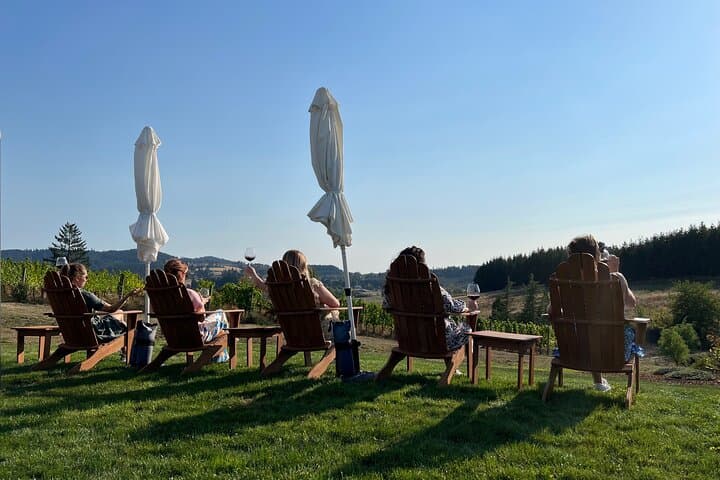
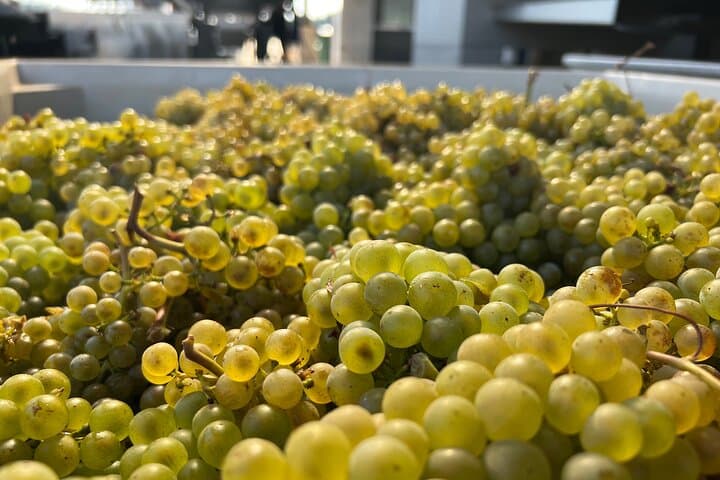
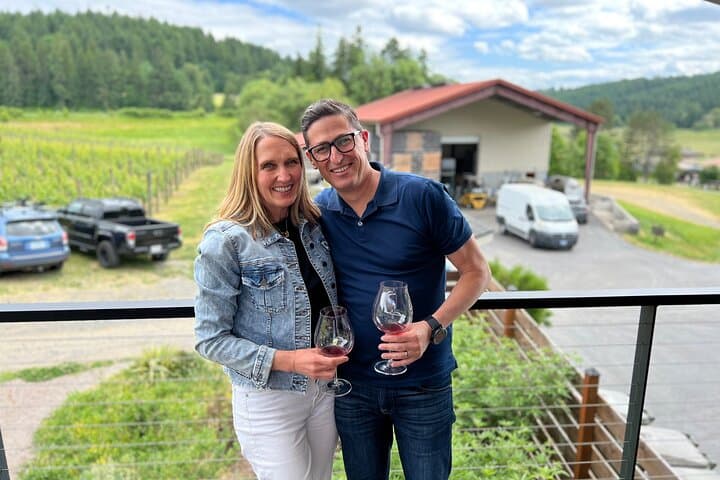
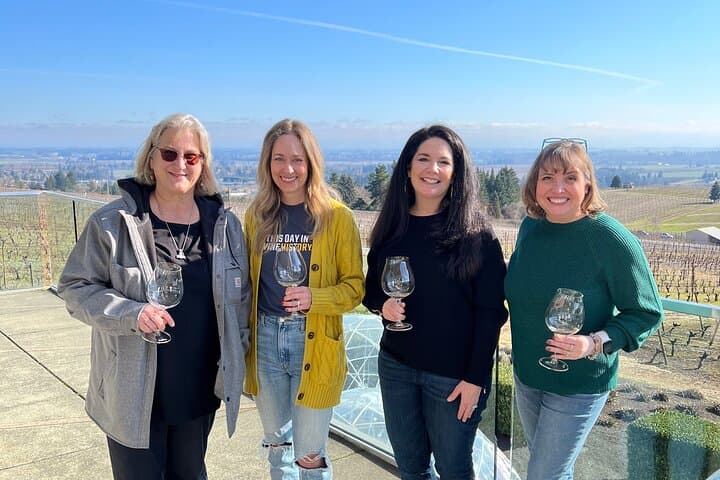
You step out of the van onto a gravel lane lined with gnarly Pinot Noir trunks; damp earth gives up the faint smell of cut grass and fermenting must. The valley opens ahead—gentle ridgelines, vineyard rows marching south, and tasting rooms that alternate between restored farmhouses and glass-walled modern rooms with balcony views that dare you to linger.
You step out of the van onto a gravel lane lined with gnarly Pinot Noir trunks; damp earth gives up the faint smell of cut grass and fermenting must. The valley opens ahead—gentle ridgelines, vineyard rows marching south, and tasting rooms that alternate between restored farmhouses and glass-walled modern rooms with balcony views that dare you to linger.
Willamette Valley's wine story is young by European standards but intense: cool-climate Pinot Noir and Chardonnay have been pushed into the national spotlight since the 1970s, and the Dundee Hills and Eola-Amity districts pack a geology lesson—volcanic Jory soils on slopes, marine sediments lower down—that shows through in acidity and tannin. Local culture mixes small-scale farming, chef-driven food pairings, and a DIY hospitality ethos; many producers emphasize organic and biodynamic practices.
On a full-day private tour you'll visit three or four wineries—tasting flights, focused comparative pours, and sometimes cellar or elevated tours—plus a recommended stop at Red Hills Market for a proper lunch. Tours are led by industry insiders who can skip the front desk friction and add context to each glass, from clone choices to barrel regimen.
Practical guidance: plan for a 6–9 hour day with short walks between tasting rooms and standing during flights; tasting fees are often waived with bottle purchases but check in advance. Wear comfortable footwear for gravel and light steps, bring a light layer for breezy tasting-room patios, and pace water intake between pours. Book pickups early in the day to avoid afternoon traffic and to catch the best light for valley views.