THE ADVENTURE COLLECTIVE® · Independent discovery and booking for outdoor travel

Witness the wildebeest calving season across Serengeti, Ngorongoro, and Tarangire on an eight‑day private safari. Expect close predator action, elephant herds, and sunrise game drives from open‑roof 4x4s.
Witness the wildebeest calving season across Serengeti, Ngorongoro, and Tarangire on an eight‑day private safari. Expect close predator action, elephant herds, and sunrise game drives from open‑roof 4x4s.
A dust‑ridden sunrise lifts off the Serengeti plain and the first calves wobble to their feet while vultures wheel on thermals overhead. This private, multi‑day safari threads Tarangire’s elephant‑lined river, the forested escarpment of Lake Manyara, the open grasslands of the Serengeti, and the sunken amphitheater of Ngorongoro Crater—territory defined by volcanic geology and the pulse of migration.
Verified experiences and guided adventures in the surrounding area.
Operated by World Adventure Tours · Moshi, Kilimanjaro Region
A dust‑ridden sunrise lifts off the Serengeti plain and the first calves wobble to their feet while vultures wheel on thermals overhead. This private, multi‑day safari threads Tarangire’s elephant‑lined river, the forested escarpment of Lake Manyara, the open grasslands of the Serengeti, and the sunken amphitheater of Ngorongoro Crater—territory defined by volcanic geology and the pulse of migration.
Geology here shapes life: Ngorongoro is a 600‑m deep, 16‑km wide collapsed volcano that traps water and grazers; Serengeti’s endless plains are ancient volcanic ash and compacted soils that favor short‑grass grazing. Maasai culture remains visible along routes—traditional bomas and spear‑carrying herders are reminders that people and wildlife have shared this ecosystem for generations.
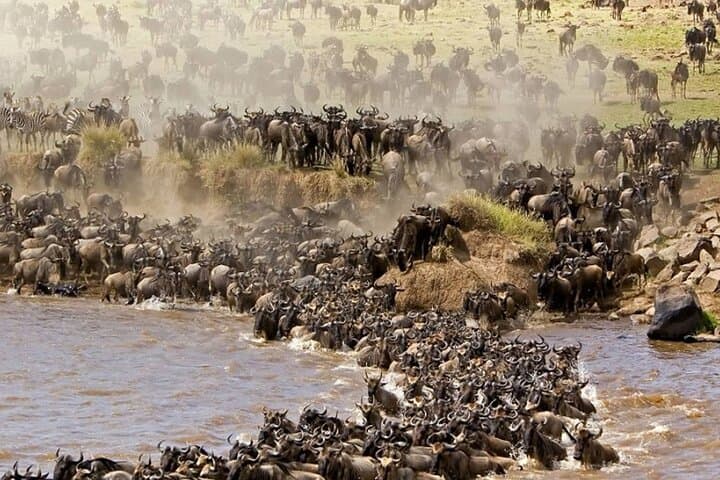
Between January and March the southern Serengeti and Ndutu become a nursery: hundreds of thousands of wildebeest give birth in tight windows, drawing predators and creating intense, fast‑moving wildlife encounters. Tarangire’s riverine forests hold elephants year‑round, while Lake Manyara’s soda lakes attract flamingos and the rare tree‑climbing lions.
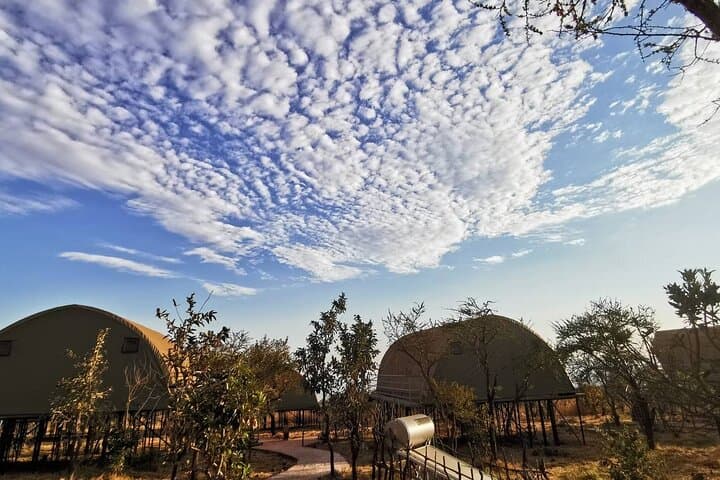
Practical guidance: expect long game‑drive days from open‑roof 4x4 vehicles, early wake‑ups, and simple bush camps. Pack neutral clothing, binoculars, sun protection, and a daypack; sip water steadily—the plains are dry and sun‑baked. Respect park rules, remain inside vehicles during drives, and let guides position you for sightings. For photographers, the calving season delivers raw action but fleeting moments—stay patient and keep batteries warm. This itinerary balances cultural stops, Olduvai Gorge options, and sustained wildlife viewing for an intense, unforgettable window into Africa’s great migration.
easy.
8 days.
Suitable for travelers in average health; involves long hours seated on game drives and short walks at camps or viewpoints.
Calving in the southern Serengeti/Ndutu typically peaks January–March; thousands of newborns draw concentrated predator activity, offering dramatic predator‑prey viewing.
No—most time is spent seated in open‑roof 4x4s; light walking is optional at camps or viewpoints, so average fitness is sufficient.
Travelers should check yellow fever and routine vaccinations and verify Tanzania visa requirements for their nationality well before travel.
Guides position vehicles for safe viewing but keep respectful distances; rules vary by park—never exit the vehicle unless instructed and supervised.
Ngorongoro is a collapsed volcanic caldera that became a rich wildlife refuge; the Serengeti name comes from Maasai language meaning 'endless plain.'
The region relies on community‑based conservation and tourism revenue; visitors help protect habitat by staying on tracks, following guide instructions, and supporting local ventures.
World Adventure Tours operates guided outdoor trips and adventures with an emphasis on safety, stewardship, and memorable experiences.
A dust‑ridden sunrise lifts off the Serengeti plain and the first calves wobble to their feet while vultures wheel on thermals overhead. This private, multi‑day safari threads Tarangire’s elephant‑lined river, the forested escarpment of Lake Manyara, the open grasslands of the Serengeti, and the sunken amphitheater of Ngorongoro Crater—territory defined by volcanic geology and the pulse of migration.
A dust‑ridden sunrise lifts off the Serengeti plain and the first calves wobble to their feet while vultures wheel on thermals overhead. This private, multi‑day safari threads Tarangire’s elephant‑lined river, the forested escarpment of Lake Manyara, the open grasslands of the Serengeti, and the sunken amphitheater of Ngorongoro Crater—territory defined by volcanic geology and the pulse of migration.
Geology here shapes life: Ngorongoro is a 600‑m deep, 16‑km wide collapsed volcano that traps water and grazers; Serengeti’s endless plains are ancient volcanic ash and compacted soils that favor short‑grass grazing. Maasai culture remains visible along routes—traditional bomas and spear‑carrying herders are reminders that people and wildlife have shared this ecosystem for generations.
Between January and March the southern Serengeti and Ndutu become a nursery: hundreds of thousands of wildebeest give birth in tight windows, drawing predators and creating intense, fast‑moving wildlife encounters. Tarangire’s riverine forests hold elephants year‑round, while Lake Manyara’s soda lakes attract flamingos and the rare tree‑climbing lions.
Practical guidance: expect long game‑drive days from open‑roof 4x4 vehicles, early wake‑ups, and simple bush camps. Pack neutral clothing, binoculars, sun protection, and a daypack; sip water steadily—the plains are dry and sun‑baked. Respect park rules, remain inside vehicles during drives, and let guides position you for sightings. For photographers, the calving season delivers raw action but fleeting moments—stay patient and keep batteries warm. This itinerary balances cultural stops, Olduvai Gorge options, and sustained wildlife viewing for an intense, unforgettable window into Africa’s great migration.