THE ADVENTURE COLLECTIVE® · Independent discovery and booking for outdoor travel

Drive Loch Ness’s northern shore, stand beneath the Five Sisters of Kintail and board the world’s last manually operated turntable ferry to Skye. This full-day West Coast loop melds geology, history and coastal culture into one scenic, story-rich ride.
Drive Loch Ness’s northern shore, stand beneath the Five Sisters of Kintail and board the world’s last manually operated turntable ferry to Skye. This full-day West Coast loop melds geology, history and coastal culture into one scenic, story-rich ride.
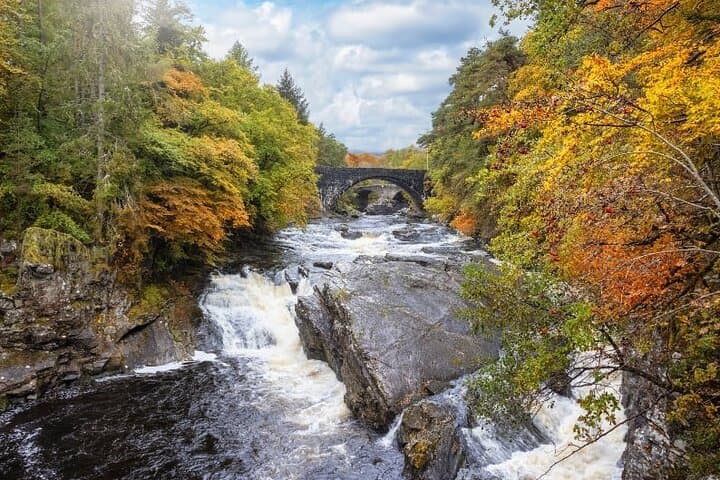
A low, grey light sits on Loch Ness as the minivan eases away from Inverness and the road begins to trace the loch’s northern shore. Water presses close on one side, hills rise on the other—ancient rock folding into silhouettes—while the driver points out places on a route worn by drovers, soldiers and modern sightseers. The first stop at Invermoriston is short: a stroll by the falls, the tangle of spray and moss seeming to dare you closer, and a chance to stretch legs and browse the curious Clog and Craft shop.
Verified experiences and guided adventures in the surrounding area.
Operated by Grant Driving Tours; Scotland · Inverness, Highland
A low, grey light sits on Loch Ness as the minivan eases away from Inverness and the road begins to trace the loch’s northern shore. Water presses close on one side, hills rise on the other—ancient rock folding into silhouettes—while the driver points out places on a route worn by drovers, soldiers and modern sightseers. The first stop at Invermoriston is short: a stroll by the falls, the tangle of spray and moss seeming to dare you closer, and a chance to stretch legs and browse the curious Clog and Craft shop.
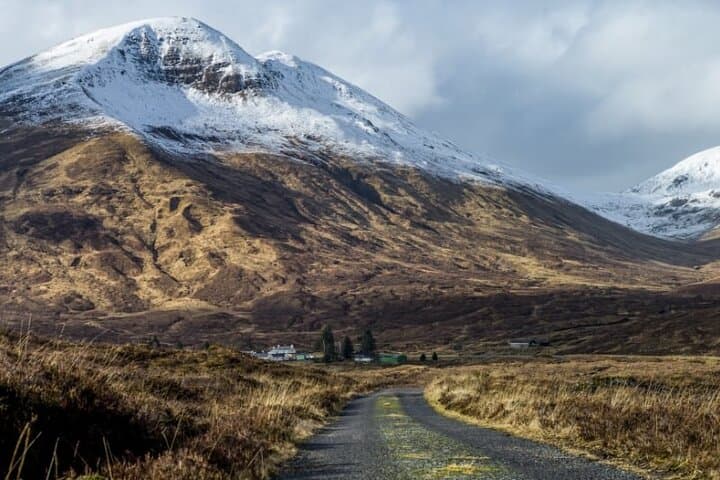
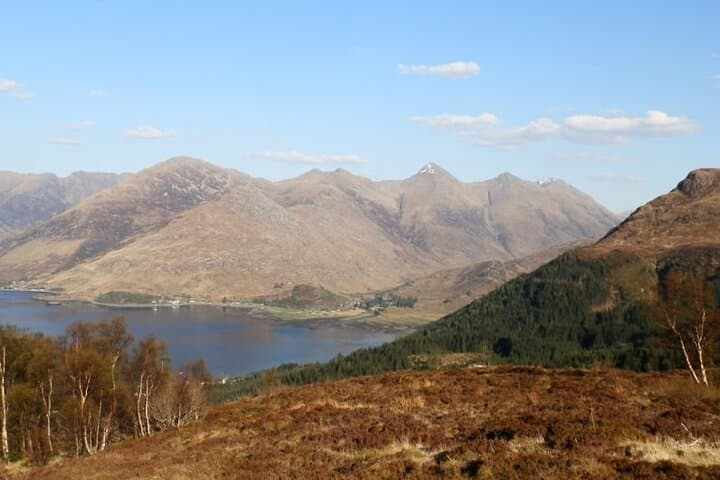
From there the road runs northwest, opening to the broad stillness of Loch Cluanie and the dam that tames it. The high corries around Cluanie are made of hard, metamorphosed rock sculpted by glaciation; the mountains here—part of the North West Highlands—keep the weather swift and dramatic. The line of the Five Sisters of Kintail appears like a serrated ridge, watching the Mam Ratagan pass where the old military road crests and presents the best panoramas of the glen.
History arrives in unexpected places on this route. A brief stop at the site of the 1719 Battle of Glenshiel folds an 18th-century political drama into the landscape. Further on, Glenelg’s pair of Iron Age brochs, Dun Telve and Dun Troddan, bring the past close: 2,000-year-old drystone towers that still stand, imperfect and proud, each stone a weathered sentence of local life long before maps named these hills.
The journey’s uncommon highlight is the Kylerhea crossing aboard the MV Glenachulish, the world’s last manually operated turntable ferry. The ferry links the Mainland to Skye at its narrowest point, a crossing used for centuries and still run by local hands, which gives the passage the feeling of continuity with older routes rather than a mere transport link.
Practical note: this is a long, full-day tour—expect nine to ten hours of travel, stops and short walks. Wear stout, waterproof footwear for rocky broch access and be prepared for changeable weather; layers and a windproof are essential. The ferry runs seasonally and on a timetable—check local times before you go to avoid waits. Bring binoculars for sea eagles and seals, a charged camera for the Ratagan viewpoints, and snacks if you prefer more independence from scheduled refreshment stops. The tour packs local stories into a single day: geology that shaped lochs and passes, handed-down history at standing stones and brochs, and a coast still run by communities who know each tide and crossing.
End the day crossing the Skye Bridge and dropping down into Plockton, Scapa-flow calm and palm trees improbably pitched against a Highland sky—a reminder that the west coast likes to surprise.
easy.
9–10 hours.
Suitable for travelers of average fitness; expect mostly seated transport with several short, moderate walks.
The full-day tour runs approximately 9–10 hours from Inverness with multiple stops and short walks.
Yes—the crossing aboard the MV Glenachulish is part of the itinerary, but its operation is subject to its published timetable.
Yes—infants and small children can ride in a pram or stroller; infant seats are available on request.
No long hikes—most stops include short walks (5–30 minutes) from parking areas to viewpoints or the brochs.
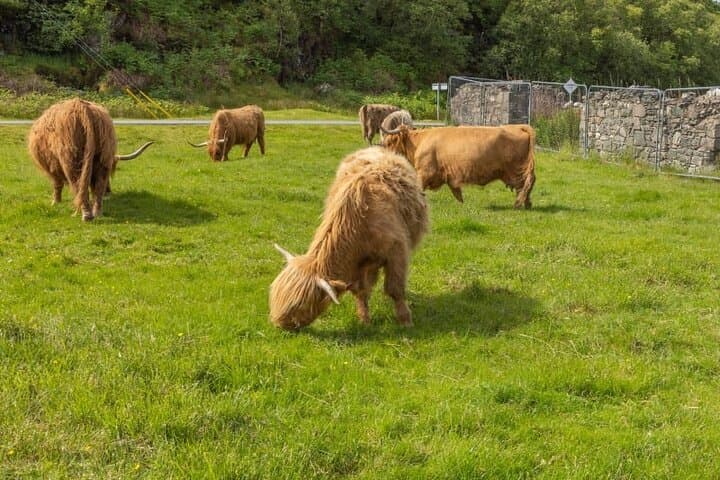
Expect seals, sea birds and occasionally white-tailed or golden eagles; Highland cattle are commonly seen near Plockton.
Dress in layers with a waterproof outer layer and wear sturdy shoes suitable for wet, uneven ground.
The Glenelg–Kylerhea crossing has been used for centuries; the MV Glenachulish continues a local ferry tradition dating to the 1930s and earlier.
This coastline relies on community-led services and sensitive tourism; stick to paths around archaeological sites and follow Leave No Trace principles to protect fragile peat and coastal habitats.
Grant Driving Tours; Scotland operates guided outdoor trips and adventures with an emphasis on safety, stewardship, and memorable experiences.
A low, grey light sits on Loch Ness as the minivan eases away from Inverness and the road begins to trace the loch’s northern shore. Water presses close on one side, hills rise on the other—ancient rock folding into silhouettes—while the driver points out places on a route worn by drovers, soldiers and modern sightseers. The first stop at Invermoriston is short: a stroll by the falls, the tangle of spray and moss seeming to dare you closer, and a chance to stretch legs and browse the curious Clog and Craft shop.
A low, grey light sits on Loch Ness as the minivan eases away from Inverness and the road begins to trace the loch’s northern shore. Water presses close on one side, hills rise on the other—ancient rock folding into silhouettes—while the driver points out places on a route worn by drovers, soldiers and modern sightseers. The first stop at Invermoriston is short: a stroll by the falls, the tangle of spray and moss seeming to dare you closer, and a chance to stretch legs and browse the curious Clog and Craft shop.
From there the road runs northwest, opening to the broad stillness of Loch Cluanie and the dam that tames it. The high corries around Cluanie are made of hard, metamorphosed rock sculpted by glaciation; the mountains here—part of the North West Highlands—keep the weather swift and dramatic. The line of the Five Sisters of Kintail appears like a serrated ridge, watching the Mam Ratagan pass where the old military road crests and presents the best panoramas of the glen.
History arrives in unexpected places on this route. A brief stop at the site of the 1719 Battle of Glenshiel folds an 18th-century political drama into the landscape. Further on, Glenelg’s pair of Iron Age brochs, Dun Telve and Dun Troddan, bring the past close: 2,000-year-old drystone towers that still stand, imperfect and proud, each stone a weathered sentence of local life long before maps named these hills.
The journey’s uncommon highlight is the Kylerhea crossing aboard the MV Glenachulish, the world’s last manually operated turntable ferry. The ferry links the Mainland to Skye at its narrowest point, a crossing used for centuries and still run by local hands, which gives the passage the feeling of continuity with older routes rather than a mere transport link.
Practical note: this is a long, full-day tour—expect nine to ten hours of travel, stops and short walks. Wear stout, waterproof footwear for rocky broch access and be prepared for changeable weather; layers and a windproof are essential. The ferry runs seasonally and on a timetable—check local times before you go to avoid waits. Bring binoculars for sea eagles and seals, a charged camera for the Ratagan viewpoints, and snacks if you prefer more independence from scheduled refreshment stops. The tour packs local stories into a single day: geology that shaped lochs and passes, handed-down history at standing stones and brochs, and a coast still run by communities who know each tide and crossing.
End the day crossing the Skye Bridge and dropping down into Plockton, Scapa-flow calm and palm trees improbably pitched against a Highland sky—a reminder that the west coast likes to surprise.