THE ADVENTURE COLLECTIVE® · Independent discovery and booking for outdoor travel

Drive the southwest coast of Galicia from Vigo on a private six- to seven-hour tour that threads Baiona’s fortress, Oia’s shoreline monastery, the Castro de Santa Trega and the walled town of Valença in Portugal. Expect short walks, dramatic coastal geology and focused cultural stops.
Drive the southwest coast of Galicia from Vigo on a private six- to seven-hour tour that threads Baiona’s fortress, Oia’s shoreline monastery, the Castro de Santa Trega and the walled town of Valença in Portugal. Expect short walks, dramatic coastal geology and focused cultural stops.
A salt-sprayed road curls south from Vigo and the Atlantic wind pushes you toward low granite headlands, pillbox ruins and a string of small towns that hold centuries of coastal history. On this private six-to-seven-hour tour you ride an air-conditioned vehicle along the same lanes used by pilgrims on the Portuguese Camino, stopping to stretch legs at a 16th-century parador and scan the horizon for the Cíes Islands.
Verified experiences and guided adventures in the surrounding area.
Operated by Tours of Galicia · Vigo, Galicia
A salt-sprayed road curls south from Vigo and the Atlantic wind pushes you toward low granite headlands, pillbox ruins and a string of small towns that hold centuries of coastal history. On this private six-to-seven-hour tour you ride an air-conditioned vehicle along the same lanes used by pilgrims on the Portuguese Camino, stopping to stretch legs at a 16th-century parador and scan the horizon for the Cíes Islands.
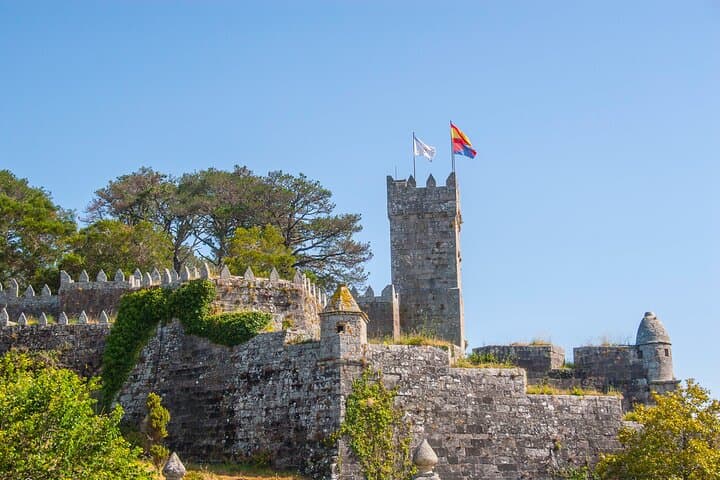
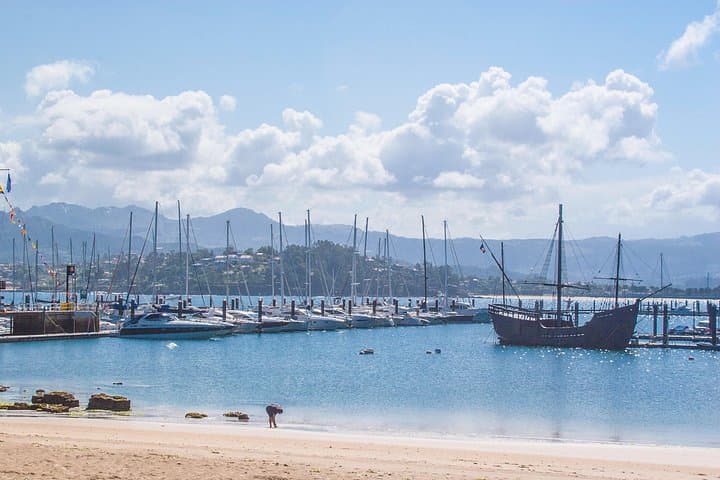
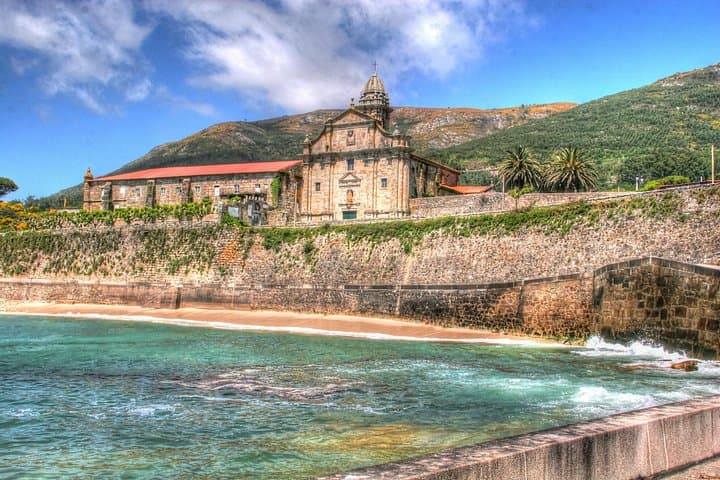
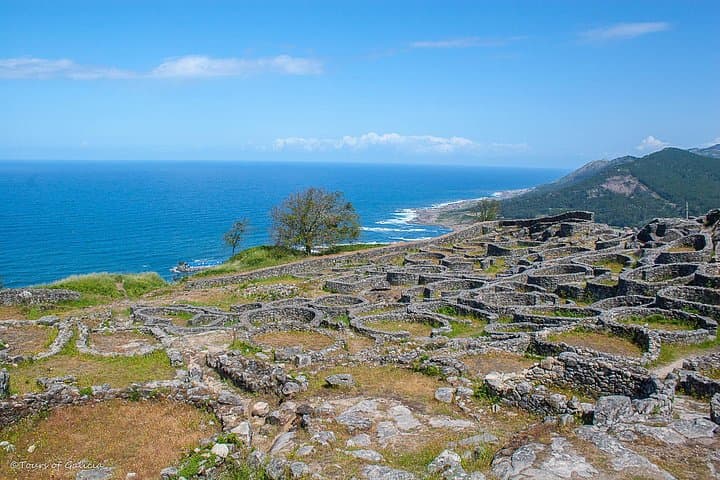
History is tactile here: Baiona’s fortress guards the harbor where the Pinta’s news of the new world first arrived, and the town still displays a replica caravel. The coastline is hard, granite bedrock shaped by storms and tides, with sheltered estuaries at the Minho River where La Guardia (A Guarda) faces Portugal. Oia’s monastery sits almost at the waterline; its stonework hums with pilgrim footsteps. Higher up, the Castro de Santa Trega reveals circular stone foundations from the 1st century BC and a hermitage whose steps offer panoramic views into both countries.
Crossing into Portugal, Valença do Minho’s fortress ramparts provide a different kind of coastal vantage—walled streets, local markets and clear views back to Spain. Expect short, uneven walks, coastal winds and a mix of cultural stops rather than long hikes.
Practical notes: plan for hotel pickup in Vigo, bring a passport for the Portugal crossing, wear sturdy shoes for the hillfort, and layer for wind and sun. The tour is largely vehicle-based with interpretive stops—ideal for travelers who want concentrated history, geology and seascape without a full-day trek.
easy.
6–7 hours.
Suitable for most fitness levels—mostly vehicle-based with brief, easy to moderate walks on uneven ground.
The tour lasts about 6–7 hours and is a private, vehicle-based itinerary with several short guided stops for walking and viewpoints.
Yes—if you intend to cross into Portugal at Valença you should bring a valid passport or accepted national ID.
No long hikes—expect short, uneven walks at sites like Castro de Santa Trega and fortress ramparts; generally suitable for most travelers.
The tour is stroller- and wheelchair-accessible in the vehicle, but some sites include uneven stone steps and paths; discuss specific mobility needs with the operator when booking.
This stretch of coast sits on routes used by medieval pilgrims on the Portuguese Camino and includes Baiona, where the Pinta’s arrival brought news of the Americas to Europe.
The Cíes Islands nearby are part of the Atlantic Islands of Galicia National Park—keep to marked areas, avoid collecting shells and support local businesses that practice sustainable tourism.
Tours of Galicia operates guided outdoor trips and adventures with an emphasis on safety, stewardship, and memorable experiences.
A salt-sprayed road curls south from Vigo and the Atlantic wind pushes you toward low granite headlands, pillbox ruins and a string of small towns that hold centuries of coastal history. On this private six-to-seven-hour tour you ride an air-conditioned vehicle along the same lanes used by pilgrims on the Portuguese Camino, stopping to stretch legs at a 16th-century parador and scan the horizon for the Cíes Islands.
A salt-sprayed road curls south from Vigo and the Atlantic wind pushes you toward low granite headlands, pillbox ruins and a string of small towns that hold centuries of coastal history. On this private six-to-seven-hour tour you ride an air-conditioned vehicle along the same lanes used by pilgrims on the Portuguese Camino, stopping to stretch legs at a 16th-century parador and scan the horizon for the Cíes Islands.
History is tactile here: Baiona’s fortress guards the harbor where the Pinta’s news of the new world first arrived, and the town still displays a replica caravel. The coastline is hard, granite bedrock shaped by storms and tides, with sheltered estuaries at the Minho River where La Guardia (A Guarda) faces Portugal. Oia’s monastery sits almost at the waterline; its stonework hums with pilgrim footsteps. Higher up, the Castro de Santa Trega reveals circular stone foundations from the 1st century BC and a hermitage whose steps offer panoramic views into both countries.
Crossing into Portugal, Valença do Minho’s fortress ramparts provide a different kind of coastal vantage—walled streets, local markets and clear views back to Spain. Expect short, uneven walks, coastal winds and a mix of cultural stops rather than long hikes.
Practical notes: plan for hotel pickup in Vigo, bring a passport for the Portugal crossing, wear sturdy shoes for the hillfort, and layer for wind and sun. The tour is largely vehicle-based with interpretive stops—ideal for travelers who want concentrated history, geology and seascape without a full-day trek.