THE ADVENTURE COLLECTIVE® · Independent discovery and booking for outdoor travel

Spend a full day from La Fortuna exploring rainforest trails and two waterfalls—Llanos del Cortez and the vivid Celeste River—while searching for sloths, toucans and monkeys. This private tour combines guided animal observation with accessible hikes and a local lunch.
Spend a full day from La Fortuna exploring rainforest trails and two waterfalls—Llanos del Cortez and the vivid Celeste River—while searching for sloths, toucans and monkeys. This private tour combines guided animal observation with accessible hikes and a local lunch.
The trail opens under a wet-green ceiling; palms and fiddlewood trees lean in as if to watch your boots press the soft soil. Morning mist lifts off the forest and the guide threads you along narrow paths, where calls of toucans and distant monkey chatter punctuate the air. By midday you stand at Llanos del Cortez, a broad curtain of water that dares you to step beneath it, then later you follow a shaded route toward the Celeste River’s impossible blue — a color born where volcanic minerals meet flowing water.
Verified experiences and guided adventures in the surrounding area.
Operated by Malekus Adventures · La Fortuna, Alajuela
The trail opens under a wet-green ceiling; palms and fiddlewood trees lean in as if to watch your boots press the soft soil. Morning mist lifts off the forest and the guide threads you along narrow paths, where calls of toucans and distant monkey chatter punctuate the air. By midday you stand at Llanos del Cortez, a broad curtain of water that dares you to step beneath it, then later you follow a shaded route toward the Celeste River’s impossible blue — a color born where volcanic minerals meet flowing water.
The route links lowland rainforest, private reserve trails and two distinctly different falls. Geologically the region is young: volcanic soils and mineral-rich streams shape the color and flow of rivers; Tenorio’s volcanic activity upstream is why the Celeste turns cyan. Culturally, the area blends small cattle and farming communities with growing eco-tourism; lunch on these tours commonly features local casado-style options and bottled water is standard.
Practically, expect 7–9 hours total with multiple on-foot segments (roughly 3–5 km cumulative walking) and elevation changes that are steady but not extreme (plan for up to ~200–300 m of gradual gain across sections). Trails vary from compacted earth to muddy roots and a few stairs. Bring sturdy, grippy shoes, a quick-dry change of clothes for swimming at permitted pools, insect repellent and a waterproof shell. Go early to avoid heavier mid-afternoon rain and to catch wildlife activity. Guides manage permits and route timing; stay with the group, move deliberately on wet surfaces, and leave no trace — the forest responds to how you treat it.
moderate.
7–9 hours.
Suitable for people comfortable walking 3–5 km on uneven ground; some stamina for repeated short hikes and stairs required.
The full experience runs about 7–9 hours; start times vary by operator but morning departures are typical to maximize wildlife viewing and avoid afternoon showers.
Yes, swimming is allowed at some sites such as Llanos del Cortez when conditions are safe; always follow your guide’s direction about currents and permitted areas.
The tour is marketed as accessible for all fitness levels, but participants should be able to walk uneven paths for short periods; notify the operator ahead for infant seats or special accommodations.
According to the itinerary, admission and lunch are included; confirm final details at booking and carry small cash for souvenirs or extras.
The Tenorio and Arenal regions were shaped by volcanic activity over millennia; local communities historically relied on cattle and small-scale farming before eco-tourism grew.
Tours operate within sensitive habitats and private reserves; stick to trails, pack out trash and support guides who follow local conservation practices to reduce disturbance.
Malekus Adventures operates guided outdoor trips and adventures with an emphasis on safety, stewardship, and memorable experiences.


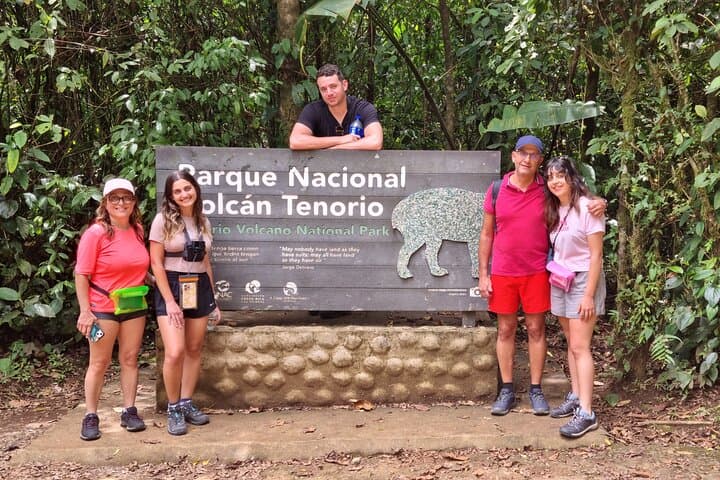
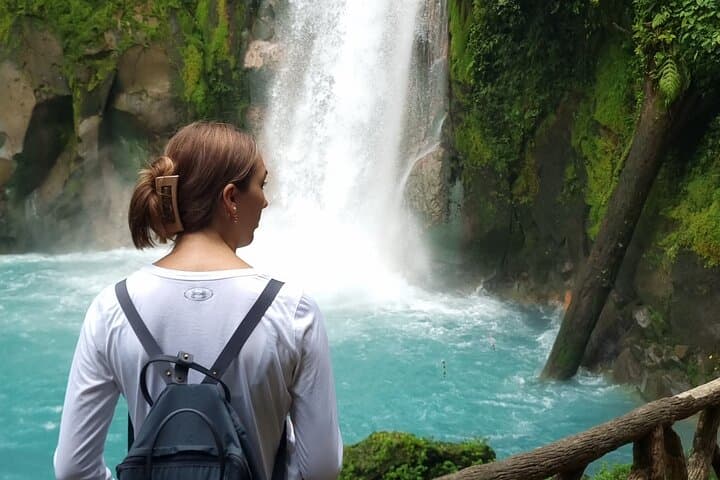
The trail opens under a wet-green ceiling; palms and fiddlewood trees lean in as if to watch your boots press the soft soil. Morning mist lifts off the forest and the guide threads you along narrow paths, where calls of toucans and distant monkey chatter punctuate the air. By midday you stand at Llanos del Cortez, a broad curtain of water that dares you to step beneath it, then later you follow a shaded route toward the Celeste River’s impossible blue — a color born where volcanic minerals meet flowing water.
The trail opens under a wet-green ceiling; palms and fiddlewood trees lean in as if to watch your boots press the soft soil. Morning mist lifts off the forest and the guide threads you along narrow paths, where calls of toucans and distant monkey chatter punctuate the air. By midday you stand at Llanos del Cortez, a broad curtain of water that dares you to step beneath it, then later you follow a shaded route toward the Celeste River’s impossible blue — a color born where volcanic minerals meet flowing water.
The route links lowland rainforest, private reserve trails and two distinctly different falls. Geologically the region is young: volcanic soils and mineral-rich streams shape the color and flow of rivers; Tenorio’s volcanic activity upstream is why the Celeste turns cyan. Culturally, the area blends small cattle and farming communities with growing eco-tourism; lunch on these tours commonly features local casado-style options and bottled water is standard.
Practically, expect 7–9 hours total with multiple on-foot segments (roughly 3–5 km cumulative walking) and elevation changes that are steady but not extreme (plan for up to ~200–300 m of gradual gain across sections). Trails vary from compacted earth to muddy roots and a few stairs. Bring sturdy, grippy shoes, a quick-dry change of clothes for swimming at permitted pools, insect repellent and a waterproof shell. Go early to avoid heavier mid-afternoon rain and to catch wildlife activity. Guides manage permits and route timing; stay with the group, move deliberately on wet surfaces, and leave no trace — the forest responds to how you treat it.